Oct . 08, 2025 22:50 Back to list
100 cotton voile: lightweight, breathable, soft—why buy?
Why cotton voile keeps winning in modest fashion (and beyond)
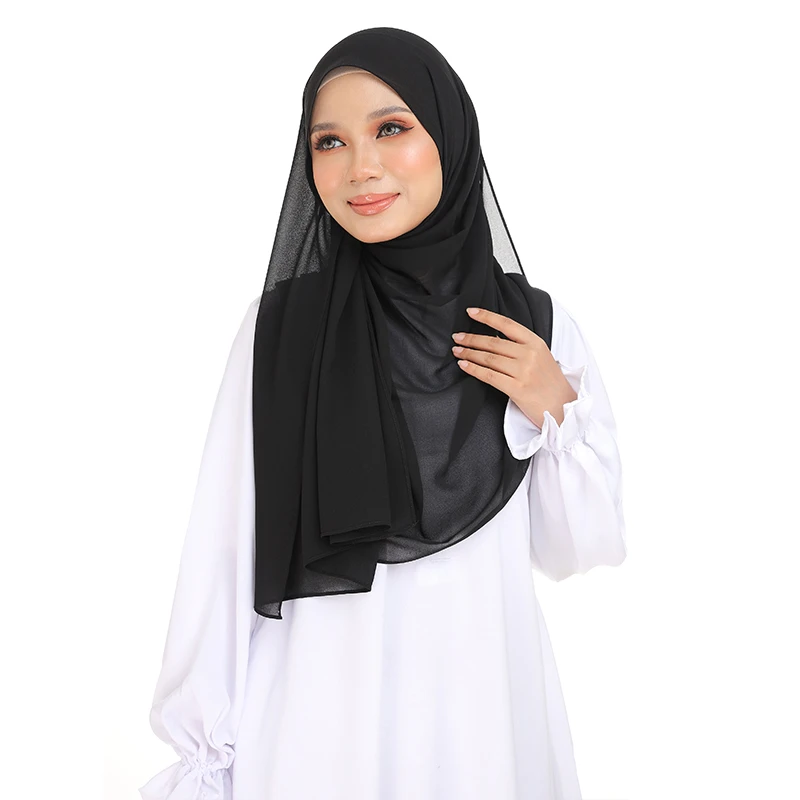
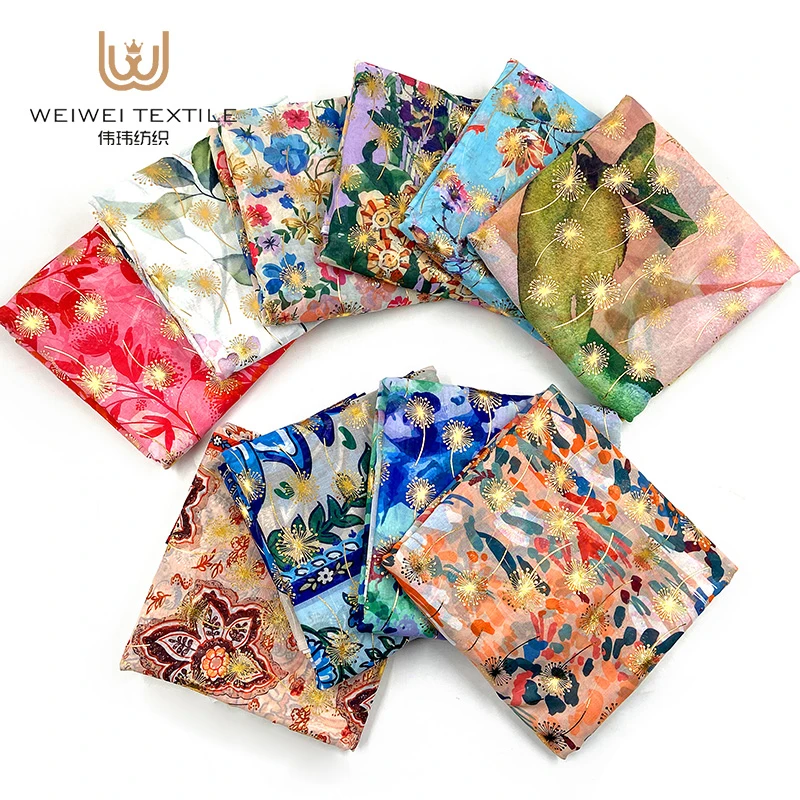
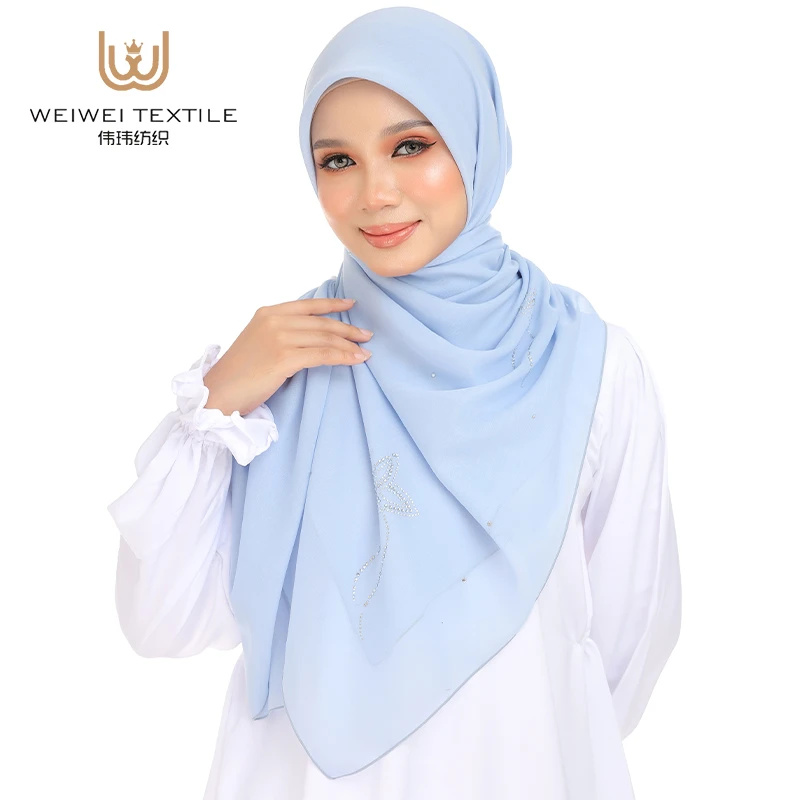
If you work in scarves or summer-weight apparel, you’ve probably noticed the quiet comeback of airy, natural fabrics. I’m talking about 100 cotton voile—that whisper-light plain weave with a surprisingly steady drape. In the hijab market especially, it’s having a moment: breathable like gauze, but with just enough body to sit neatly without endless pinning. To be honest, many customers say it simply “feels calmer” on skin during long days.
Trends I’m seeing
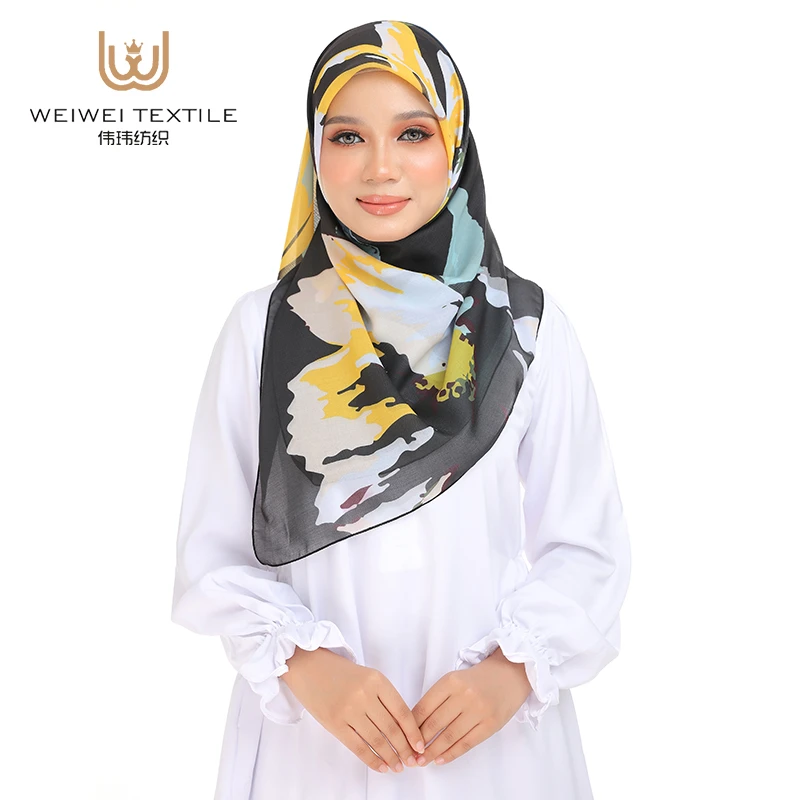
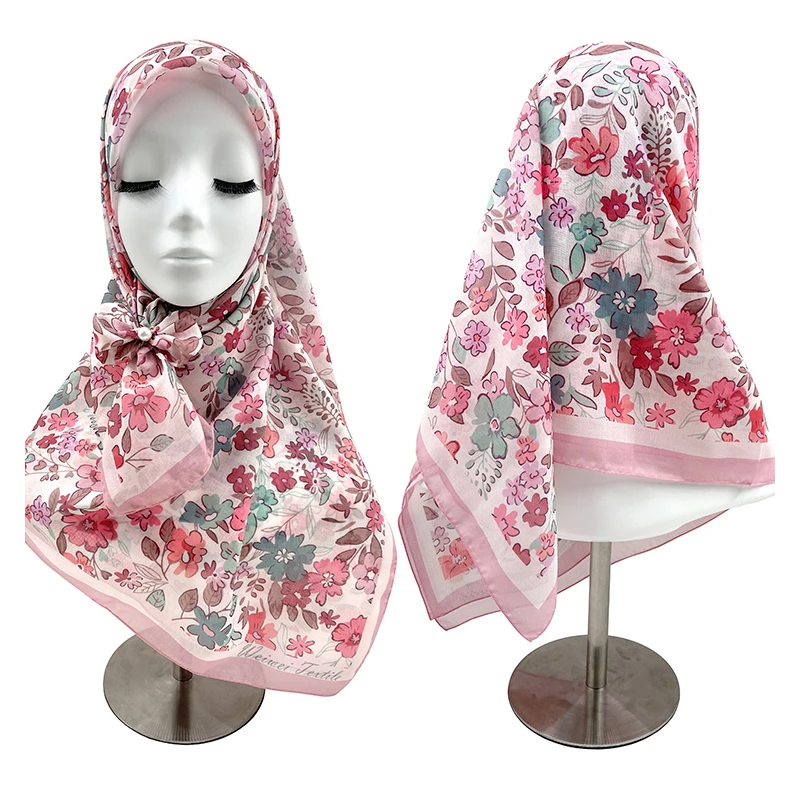
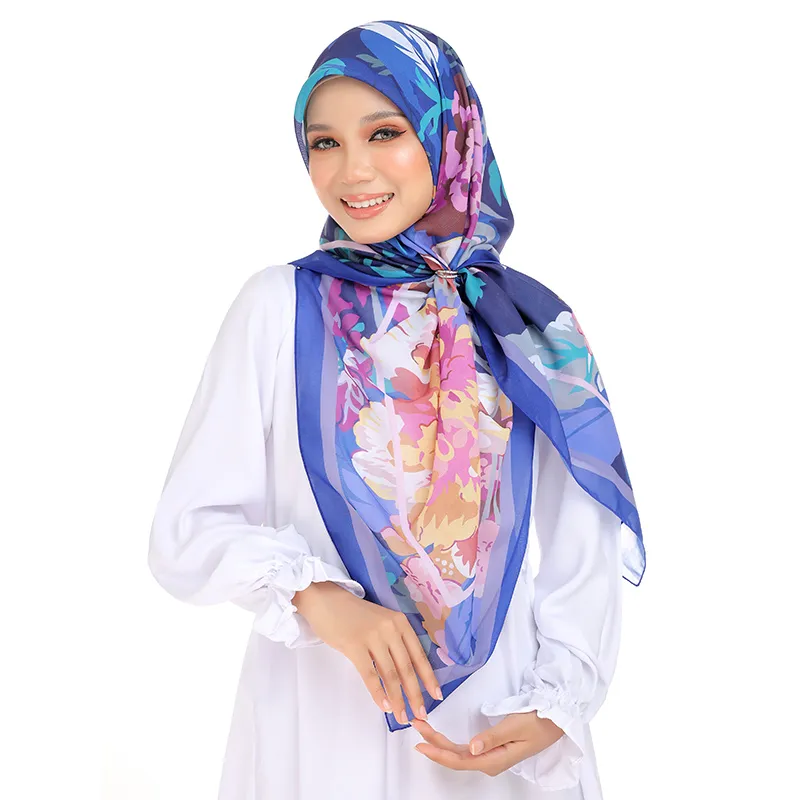
- Digitally printed 100 cotton voile for hijabs: fast trend cycles, micro-runs, sharp detail.
- Natural fibers > synthetics in hot climates; reactive dyes for richer, deeper shades.
- Sustainability signals: OEKO-TEX, GOTS options, cleaner wet-processing—buyers ask early.
What exactly is it?
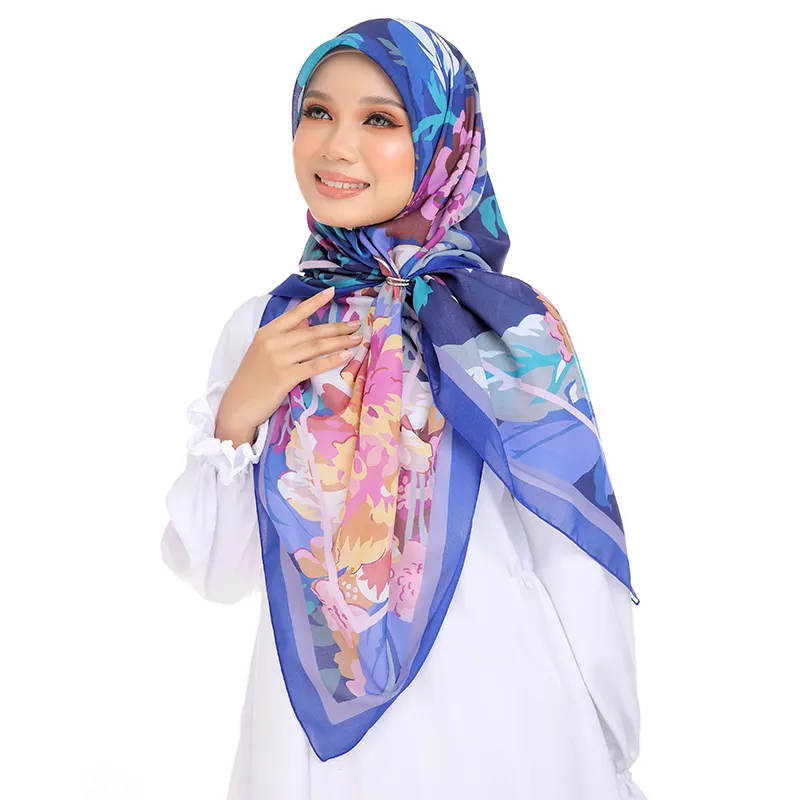
100 cotton voile is a fine, plain-weave fabric made from combed cotton, typically 60s–100s yarn counts, ≈60–80 gsm. Think soft hand, semi-sheer look, and a tidy, breathable drape. In real-world use, it resists static, takes color beautifully with reactive dyes, and—surprisingly—holds prints crisply even at intricate repeats.
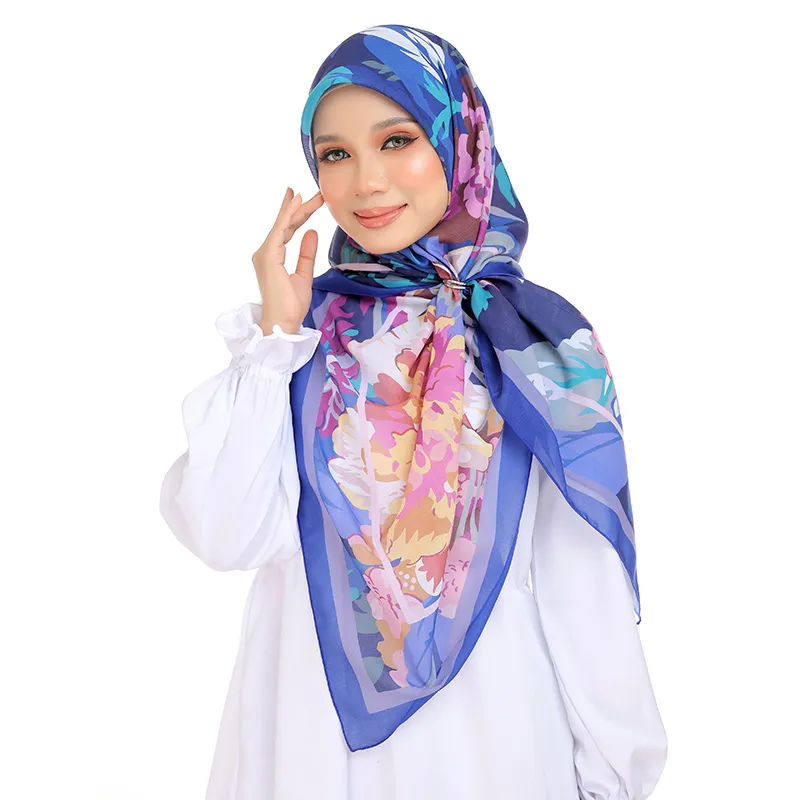
Product specs (typical hijab configuration)
| Parameter | Spec (≈) |
|---|---|
| Base fabric | 100% cotton voile, 68–75 gsm |
| Yarn count | Warp 80s / Weft 80s (varies by design) |
| Reactive digital or rotary screen | |
| Color fastness | Wash 4–5 grade; Rubbing dry 4, wet 3–4 (ISO 105, AATCC tests) |
| Typical size | 110×110 cm; custom on request |
| Care | Cold gentle wash; low iron; line dry |
| Service life | ≈2–4 years with proper care, usage-dependent |
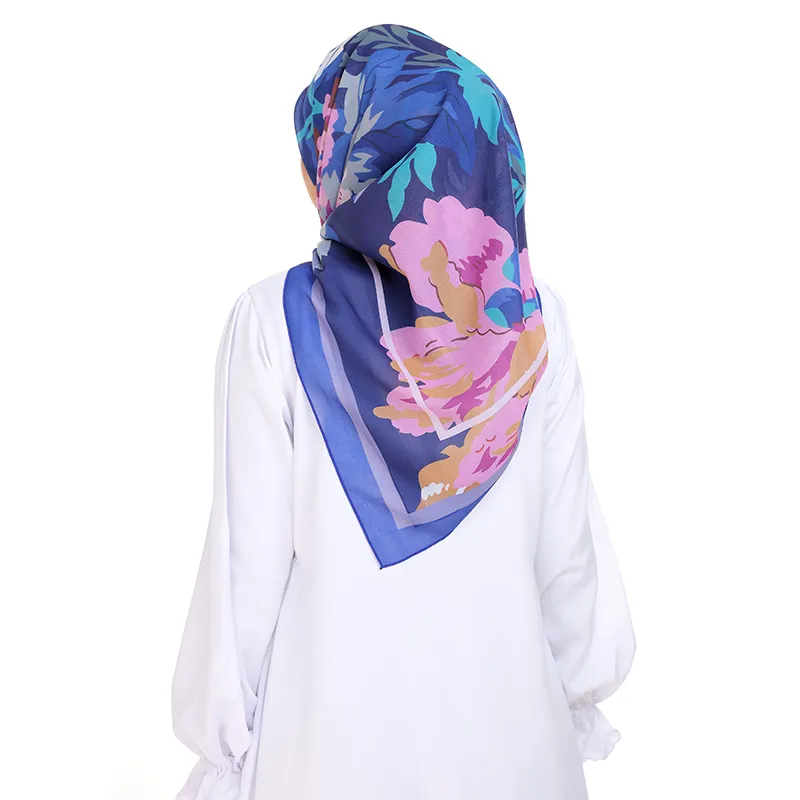
From fiber to finished hijab: how it’s made
Materials: long-staple combed cotton; low-pilling yarns. Methods: singeing/desizing → scouring/bleaching → optional mercerization → reactive dyeing/printing → steaming fixation → soaping/wash-off → softener → sanforizing → cutting, hemming, QC. Testing: ISO 105-C06 (wash), ISO 105-X12 (rubbing), AATCC 15 (colorfastness to perspiration), ASTM D1424 (tear), OEKO-TEX Standard 100 compliance when requested. I guess the short version is: clean prep and proper fixation make or break print depth.
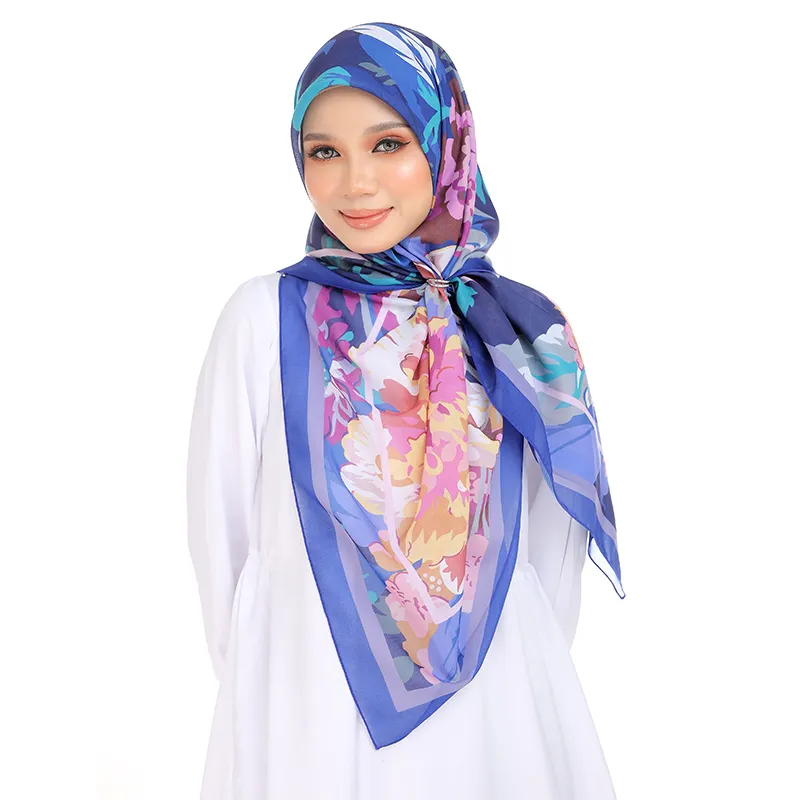
Applications
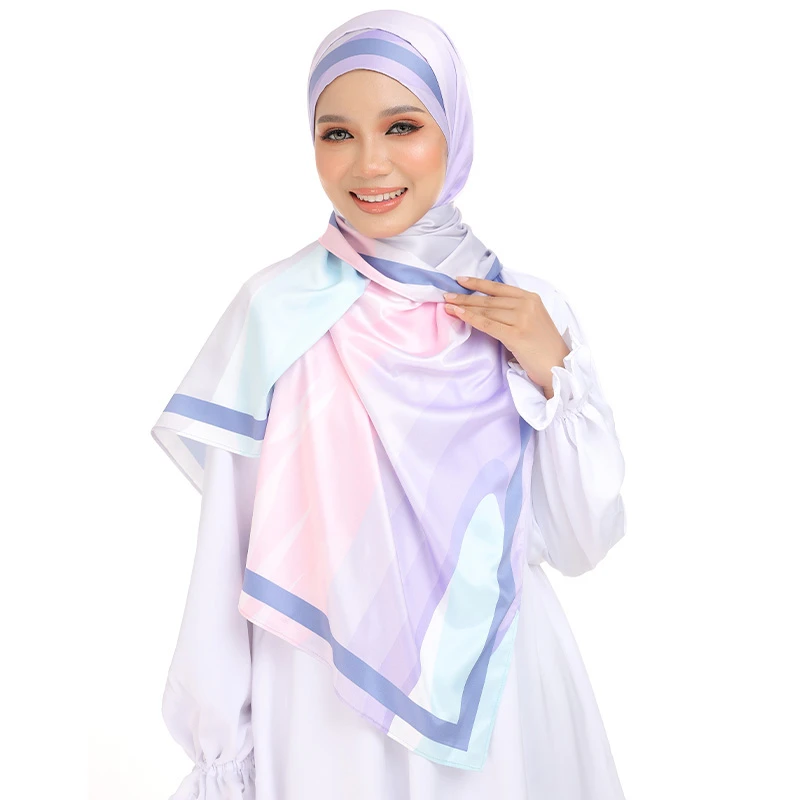
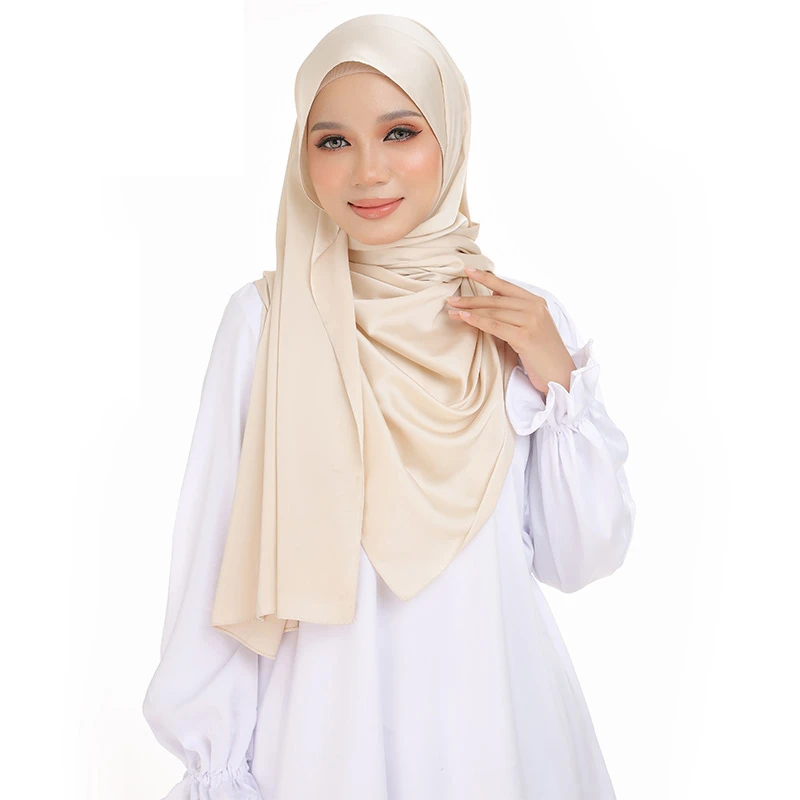
- OEM printing muslim women hijab (daily wear, special editions, brand capsules)
- Summer abayas and layering scarves
- Resort wraps, bridal overlays, kids’ lightweight tops
- Home: sheer curtains and décor accents (light-filtering)
Vendor snapshot and customization
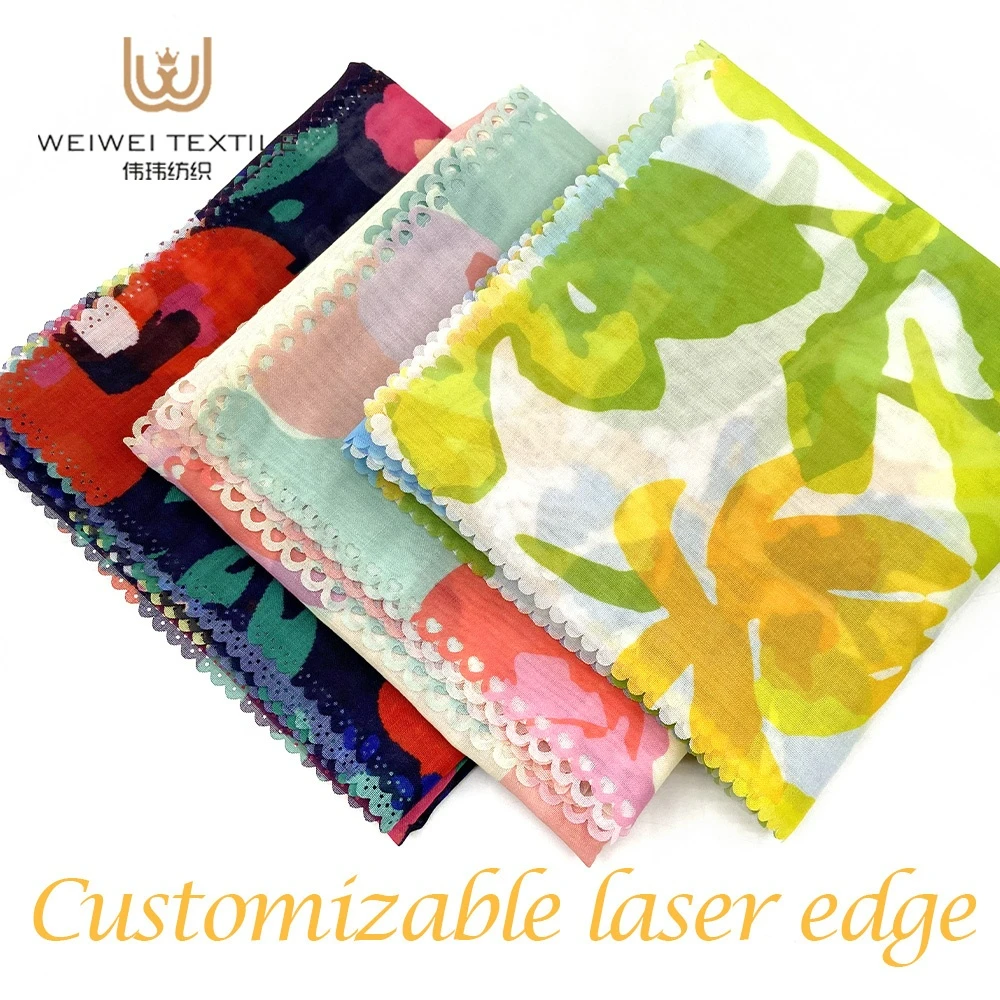
Origin: 12th Floor Xinyuanlijing Building, Jiaoyu Road, Xinji city, Hebei province, China. Customization covers print placement, Pantone matching, edge finishes (rolled/flat hem), branded labels, and eco-dye options. Lead times vary, but small pilots are now quite fast with digital print—actually faster than many expect.
| Vendor | MOQ (≈) | Lead time (≈) | Certs | Notes | |
|---|---|---|---|---|---|
| WWScarf (Hebei) | Reactive digital/rotary | 100–300 pcs/design | 12–25 days | OEKO-TEX on request; ISO-managed QC | Good for agile drops |
| EU boutique mill | Reactive digital | 50–150 pcs | 20–35 days | GOTS, OEKO-TEX | Higher cost, premium hand |
| Generic marketplace | Pigment print mix | 500+ | 25–45 days | Varies | Watch for uneven fastness |
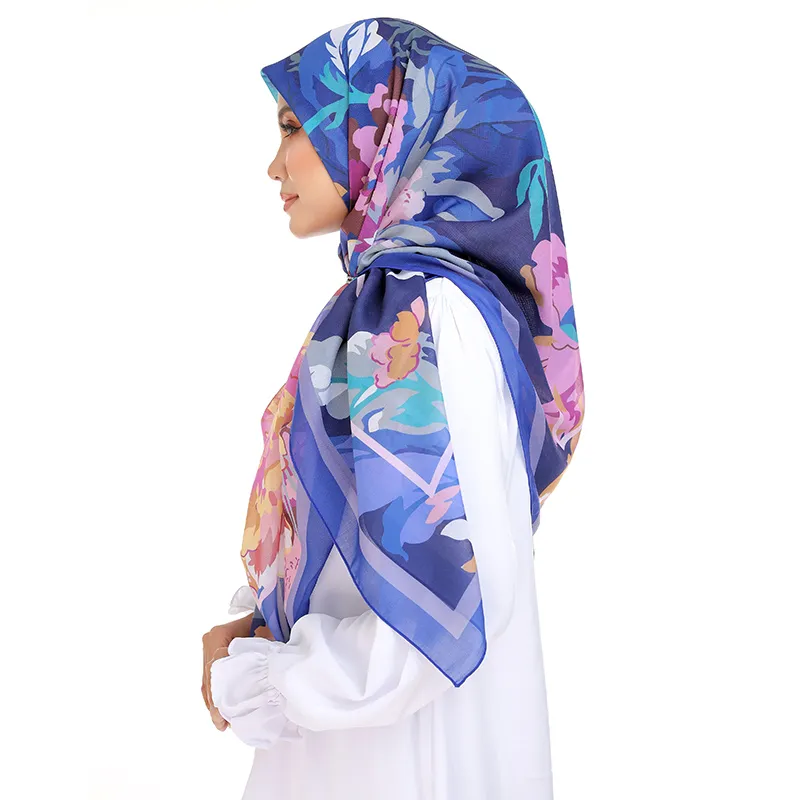
Two quick case notes
- GCC boutique capsule: swapped chiffon for 100 cotton voile, returns fell ≈18% (heat comfort), repeat orders up within a season.
- SEA e‑commerce brand: micro-run prints (200 pcs/design) reduced inventory risk; NPS nudged from 61 to 68 after fit/edge tweaks.
Bottom line: for hijabs, 100 cotton voile balances breathability, modest coverage, and print clarity. Not every day is perfect—humidity can cause a touch of crinkle—but a light steam sorts it out, and the comfort wins long term.
References
- ISO 105 Textiles—Tests for colour fastness (C06, X12). International Organization for Standardization.
- AATCC Test Methods (e.g., TM15, TM61). American Association of Textile Chemists and Colorists.
- OEKO-TEX Standard 100—Textile safety criteria. OEKO-TEX Association.
- GOTS—Global Organic Textile Standard, v6.0. Global Standard gGmbH.
-
Xinji Weiwei Textile Factory to Exhibit at the 139th Canton Fair
NewsApr.15,2026
-
Abaya Robe: Tradition, Elegance, and Daily Cultural Expression
NewsApr.15,2026
-
Satin Scarves and Hijabs: A Reflection of Tradition, Elegance, and Daily Practice
NewsApr.15,2026
-
Chiffon Scarf Hijab: A Blend of Tradition, Style, and Everyday Practice
NewsApr.15,2026
-
Exploring Hijab Fashion in Malaysia: Tradition, Style, and Daily Cultural Practice
NewsApr.15,2026
-
The Cultural Significance and Style of Voile Scarves and Shawls in Daily Muslim Wear
NewsApr.15,2026