Mar . 16, 2026 17:25 Back to list
Abaya: The Traditional Muslim Dress for Modesty and Everyday Wear
For Muslim women, clothing is not only a matter of fashion but also a reflection of faith, modesty, and cultural tradition. Among the garments that hold both religious and cultural significance, the abaya Muslim dress is one of the most important. Worn over everyday clothing, the abaya provides full coverage while remaining elegant and versatile. It is a garment deeply tied to tradition, yet it has also evolved into a fashionable item embraced by women around the world.
The muslim abaya is not just a piece of clothing; it is part of daily life, especially in communities where covering the body is a religious requirement. Paired with a hijab abaya, this attire ensures modesty while allowing women to move comfortably throughout their day. The abaya serves multiple purposes—from casual everyday wear to formal occasions, and even as a abaya prayer dress during religious activities.
This article explores the cultural significance, modern fashion adaptations, and practical use of abayas for Muslim women, focusing on how this traditional dress integrates faith, comfort, and style in daily life.
The Cultural and Religious Significance of the Abaya
The abaya Muslim is more than just clothing—it represents modesty, respect, and a visible expression of faith. In many Muslim communities, wearing an abaya is a customary practice that reflects adherence to religious principles. The flowing design ensures that the body is covered, aligning with Islamic guidelines for modest dress.
A muslim abaya often features a loose, long silhouette that drapes elegantly over the body. This design not only fulfills religious requirements but also allows freedom of movement. It is worn in daily life, at work, in the home, and during social events, making it a practical garment for women who wish to maintain modesty without sacrificing comfort.
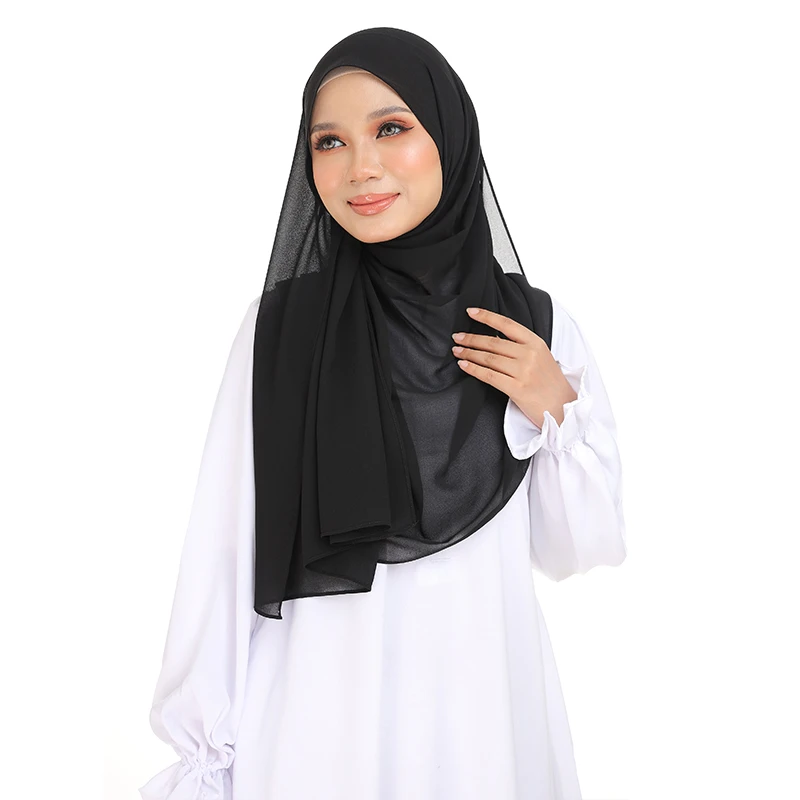
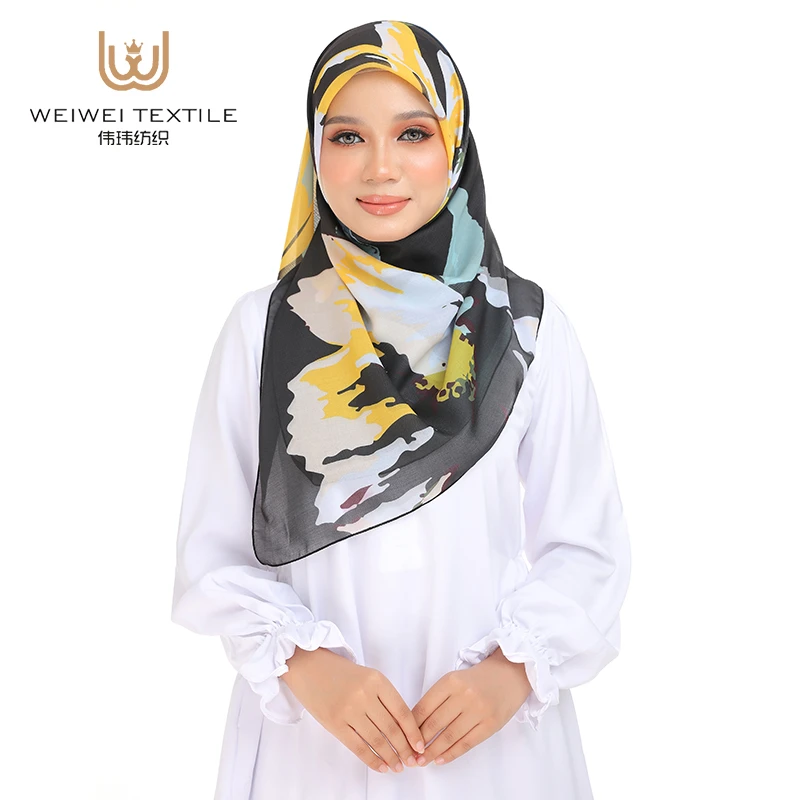
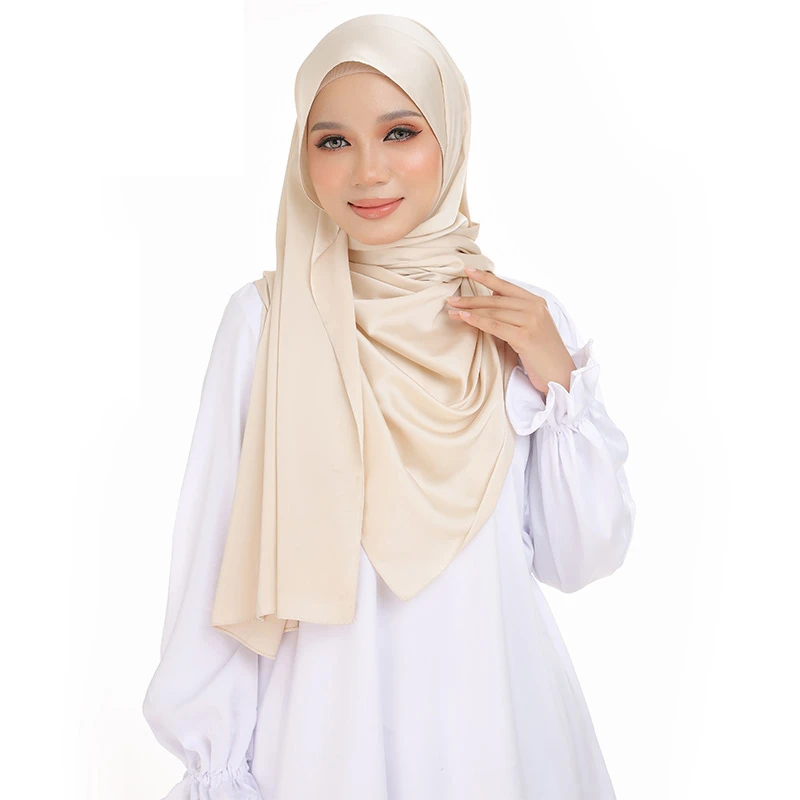
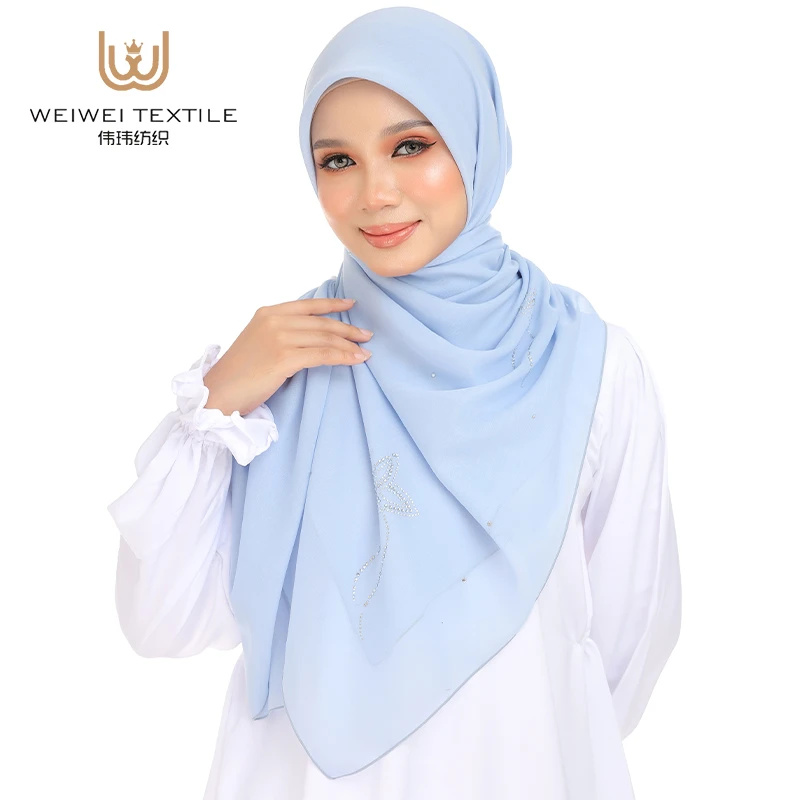
In addition, the abaya is frequently worn with a hijab abaya or matching headscarf to ensure complete coverage. This combination creates a harmonious look that respects cultural and religious norms while allowing for personal expression through colors, embroidery, and fabric choices.
The abaya also holds symbolic significance during prayer. A abaya prayer dress provides the necessary coverage for women during Salah, ensuring that the clothing is both modest and functional. By wearing an abaya, women can move freely during prayer without worrying about adjusting their garments.
Overall, the abaya is deeply connected to identity. It represents not only a commitment to faith but also a cultural continuity that has been passed down through generations. Even as designs evolve, the underlying purpose of the abaya—to maintain modesty and dignity—remains constant.
Modern Abaya Fashion: Style, Comfort, and Versatility
While the abaya’s traditional design emphasizes modesty, contemporary fashion has introduced a wide range of styles to suit personal taste, climate, and lifestyle. Modern abaya fashion incorporates elements like embroidery, lace, pleats, and elegant fabrics to enhance the garment’s aesthetic appeal without compromising its religious purpose.
For everyday wear, a simple abaya dress Muslim offers comfort and ease. Lightweight fabrics and breathable materials allow women to wear the abaya throughout the day, whether running errands, attending classes, or spending time with family. A well-designed abaya muslim balances modesty with practical considerations like pockets, adjustable sleeves, and soft fabrics.
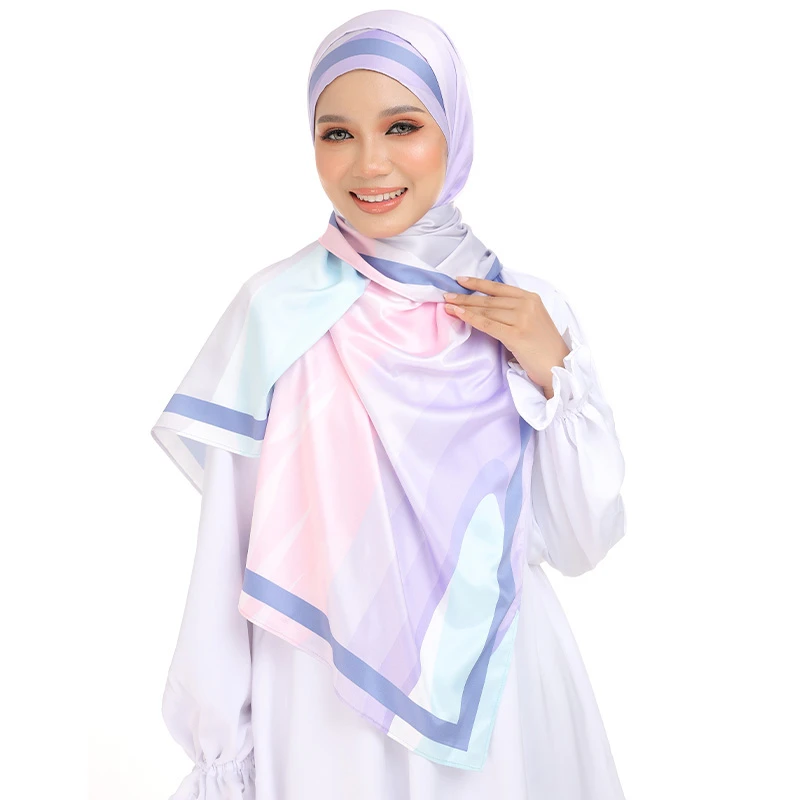
For more formal occasions, designers have created abaya dress with hijab sets that coordinate colors and textures for a polished look. These outfits often feature subtle embellishments such as beading, embroidery, or satin trims. Women can choose elegant hijab abaya combinations to attend weddings, celebrations, or cultural events, demonstrating that modest fashion can also be stylish.
Another innovation in abaya fashion is the inclusion of seasonal fabrics. Lighter materials are available for hot climates, while thicker fabrics provide warmth in cooler weather. This ensures that the muslim abaya remains practical year-round, meeting the needs of women in diverse environments.
Additionally, the modern abaya allows for customization, including length, sleeve style, and cut. Women can select an abaya dress Muslim that fits their body shape and personal style preferences while maintaining the traditional loose silhouette required for modesty.
Through these fashion adaptations, the abaya has become more than a religious requirement—it is also a statement of personal identity, elegance, and cultural pride.
Abayas in Daily Life and Religious Practice
The primary role of the abaya remains practical: it is a garment designed for everyday use while preserving modesty. A muslim abaya can be worn during work, school, shopping, or casual gatherings, providing convenience and comfort. Its loose fit allows women to go about their day without the need for constant adjustments, making it a practical choice for daily wear.
A hijab abaya combination ensures full coverage of both the head and body, respecting religious guidelines. Many women select coordinated sets, such as an abaya dress with hijab, to simplify daily dressing routines while maintaining an elegant appearance.
The abaya is also essential for religious practice. A abaya prayer dress allows women to pray comfortably, covering their body adequately while performing movements such as bowing and prostration. Its flowing design prevents restriction, supporting both devotion and practicality.
Moreover, abayas are commonly passed down within families or gifted during special occasions. This emphasizes their role not only as daily garments but also as cultural symbols that carry familial and communal significance. For Muslim women, wearing an abaya is an act of continuity, connecting them to their heritage while fulfilling spiritual obligations.
In many regions, abayas are also tailored to match social norms and community expectations. Whether plain, embroidered, or adorned with subtle patterns, the abaya Muslim dress remains a respectful and culturally accepted choice in public spaces.
The abaya Muslim dress is an enduring garment that combines modesty, elegance, and practicality. Worn with a hijab abaya, it provides full coverage for Muslim women, supporting both daily routines and religious practices. From simple, comfortable abaya dress Muslim styles to more sophisticated abaya dress with hijab sets for special occasions, the abaya continues to evolve while retaining its cultural and spiritual significance.
Modern abaya fashion demonstrates that modesty and style can coexist. Women can express individuality through fabric choice, color, and design while respecting tradition. At the same time, the abaya prayer dress ensures functional coverage for religious observance, highlighting the garment’s versatility.
Ultimately, the abaya is more than clothing—it is a symbol of faith, identity, and cultural continuity. Through daily wear, ceremonial use, and fashion innovation, the abaya remains a central part of Muslim women’s lives, blending heritage, devotion, and elegance into a single, meaningful garment.
-
Xinji Weiwei Textile Factory to Exhibit at the 139th Canton Fair
NewsApr.15,2026
-
Abaya Robe: Tradition, Elegance, and Daily Cultural Expression
NewsApr.15,2026
-
Satin Scarves and Hijabs: A Reflection of Tradition, Elegance, and Daily Practice
NewsApr.15,2026
-
Chiffon Scarf Hijab: A Blend of Tradition, Style, and Everyday Practice
NewsApr.15,2026
-
Exploring Hijab Fashion in Malaysia: Tradition, Style, and Daily Cultural Practice
NewsApr.15,2026
-
The Cultural Significance and Style of Voile Scarves and Shawls in Daily Muslim Wear
NewsApr.15,2026