Mar . 16, 2026 17:20 Back to list
Cotton Voile Fabric for Muslim Head Covering: Comfort, Elegance, and Everyday Tradition
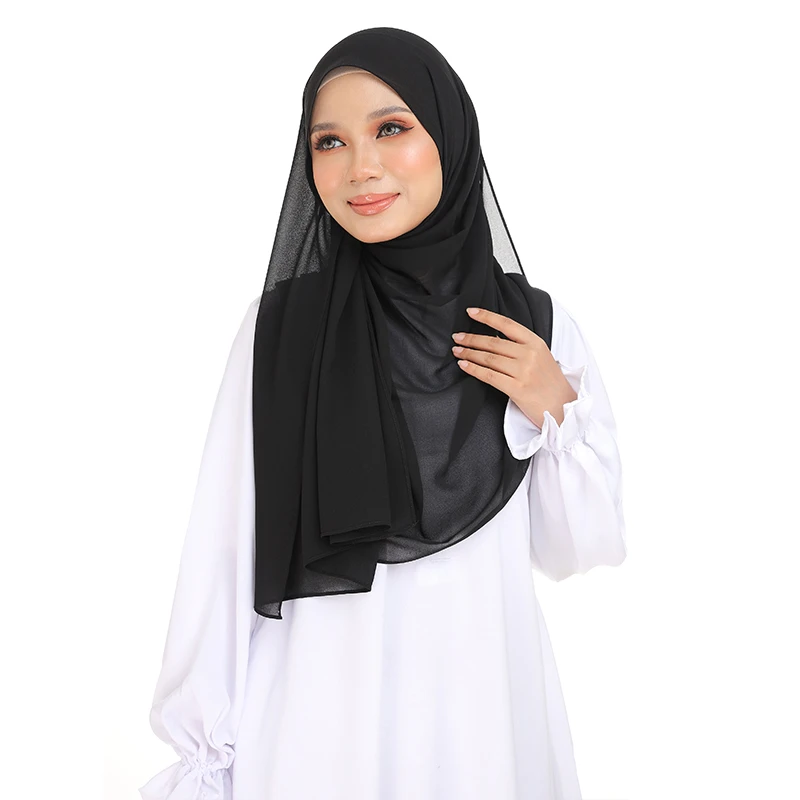
For many Muslim women around the world, covering the head with a scarf or hijab is not only a religious practice but also a deeply rooted cultural tradition. The fabric used for these head coverings plays an important role in comfort, breathability, and style. Among the many textile options available today, cotton voile material has become one of the most popular choices. Known for its lightness, softness, and breathable texture, cotton voile is ideal for daily wear, especially for women who wear a hijab throughout the day.
From simple plain fabrics to decorative embroidery and beautiful floral designs, cotton voile offers both functionality and elegance. This article explores the qualities, styles, and cultural importance of cotton voile fabrics for Muslim head coverings.
The Comfort and Breathability of Cotton Voile
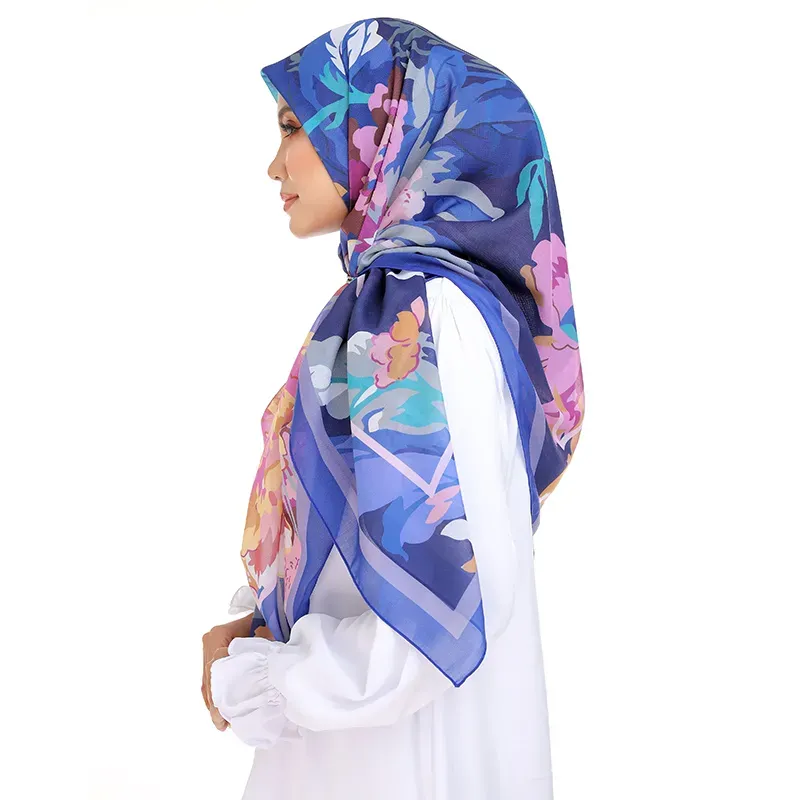
One of the main reasons Muslim women choose cotton voile for head coverings is the exceptional comfort it provides. Lightweight cotton voile is specifically designed to be thin, breathable, and soft against the skin. This makes it especially suitable for long hours of wear, particularly in warm climates or during daily activities.
The structure of lightweight cotton voile fabric allows air to circulate easily. Unlike heavier fabrics that can trap heat, cotton voile keeps the head cool and comfortable. This is important for women who wear hijabs while working, studying, traveling, or performing household tasks.
Another major advantage of cotton voile is its softness. Soft embroidered cotton voile combines comfort with delicate decoration, making it suitable for both everyday use and special occasions. The gentle texture prevents irritation on the scalp and forehead, which is essential when the fabric is wrapped around the head for extended periods.
Durability is also an important factor. Cotton voile can be washed frequently without losing its shape or softness. For women who wear hijabs daily, this practicality makes cotton voile a reliable and long-lasting fabric choice.
In addition, many women consider cotton voile price when choosing fabrics. Compared to luxury silk or specialty textiles, cotton voile is often more affordable while still maintaining high quality. This balance between price and performance makes it accessible for everyday wear.
Beautiful Designs: Printed, Floral, and Embroidered Cotton Voile
While comfort is essential, appearance is also important. Muslim women often choose hijabs that match their clothing, personal style, or the occasion. Cotton voile offers a wide variety of beautiful patterns and decorations.
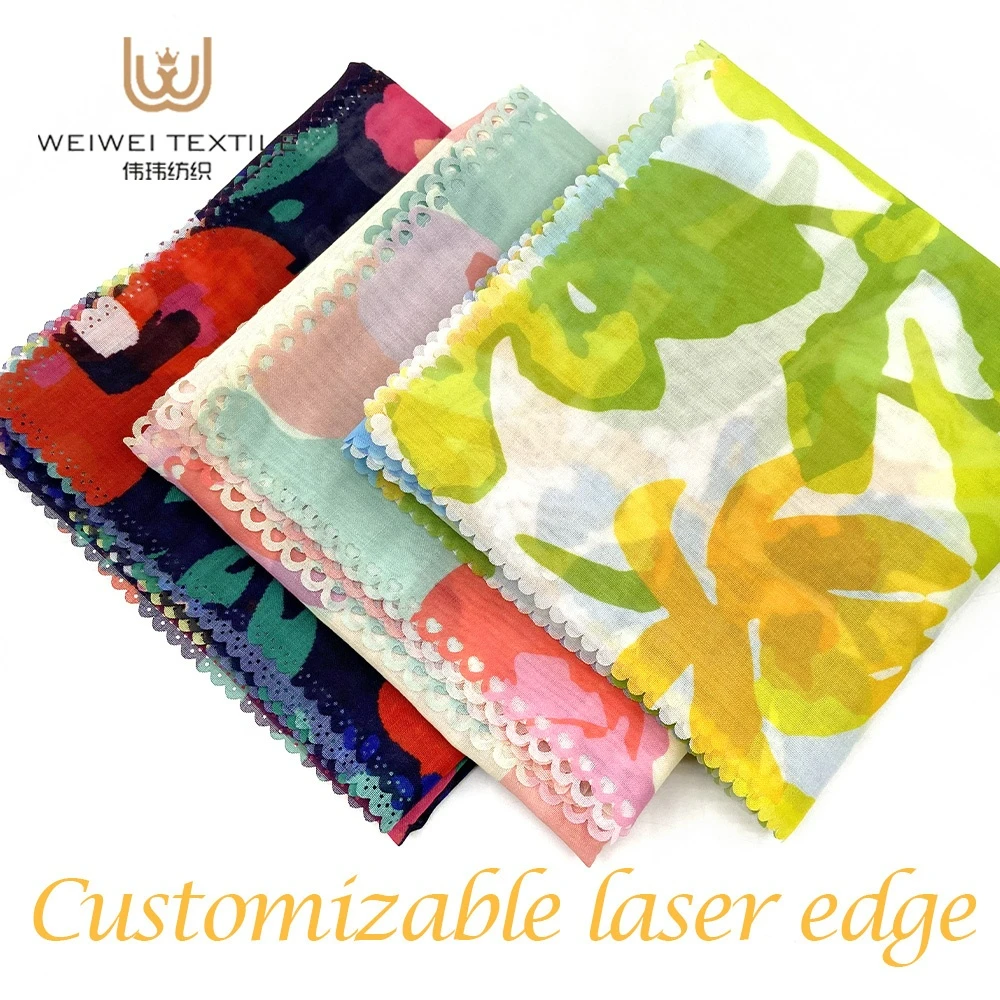
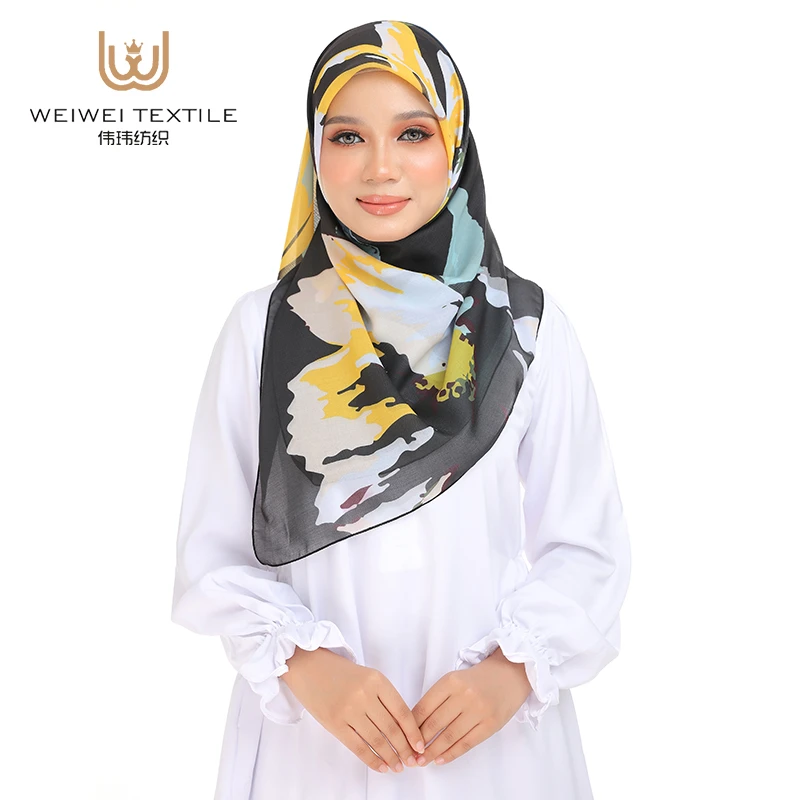
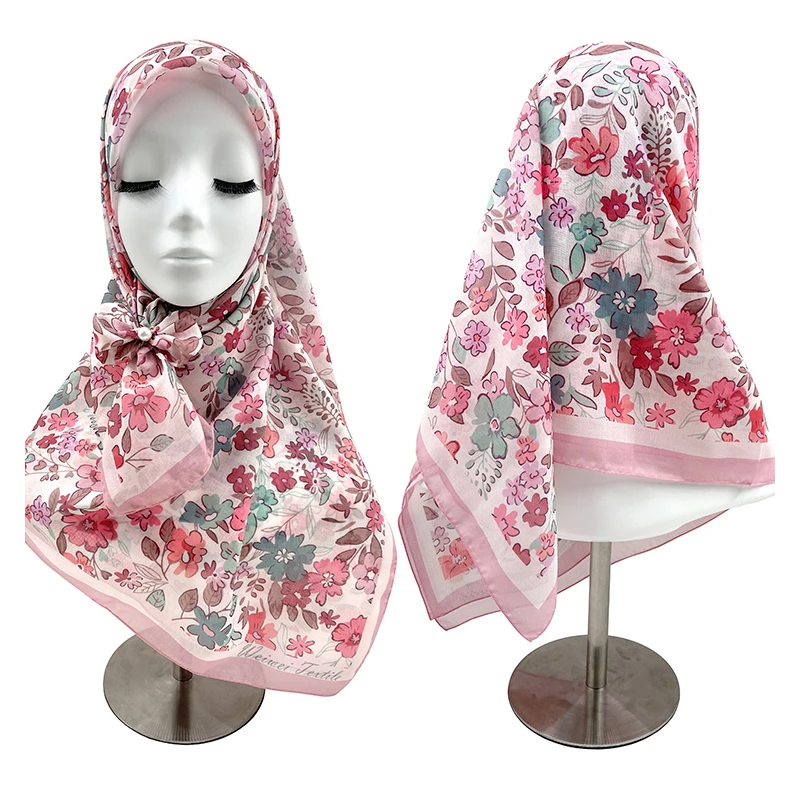
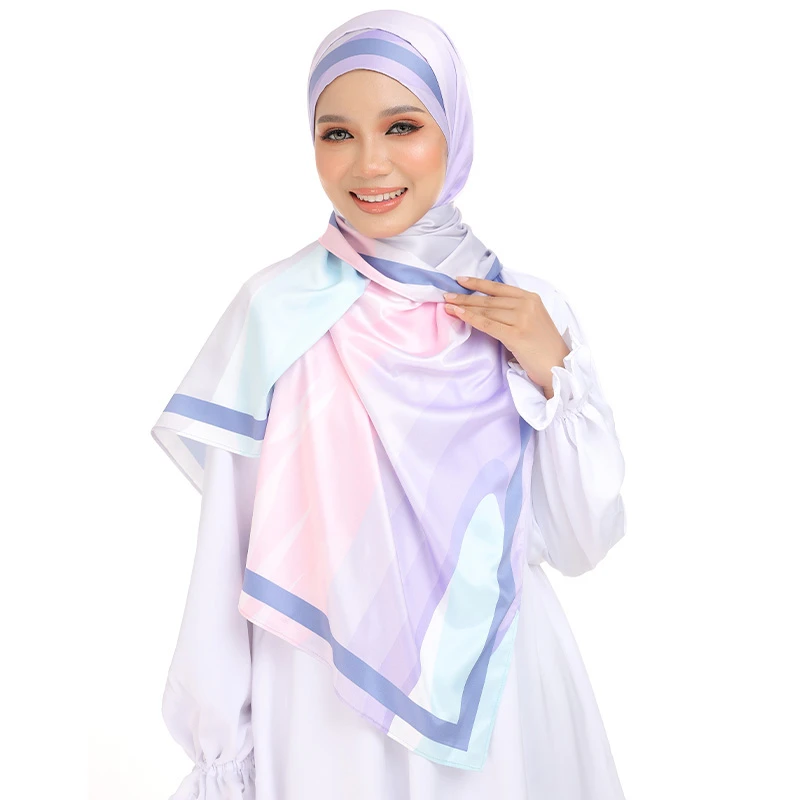
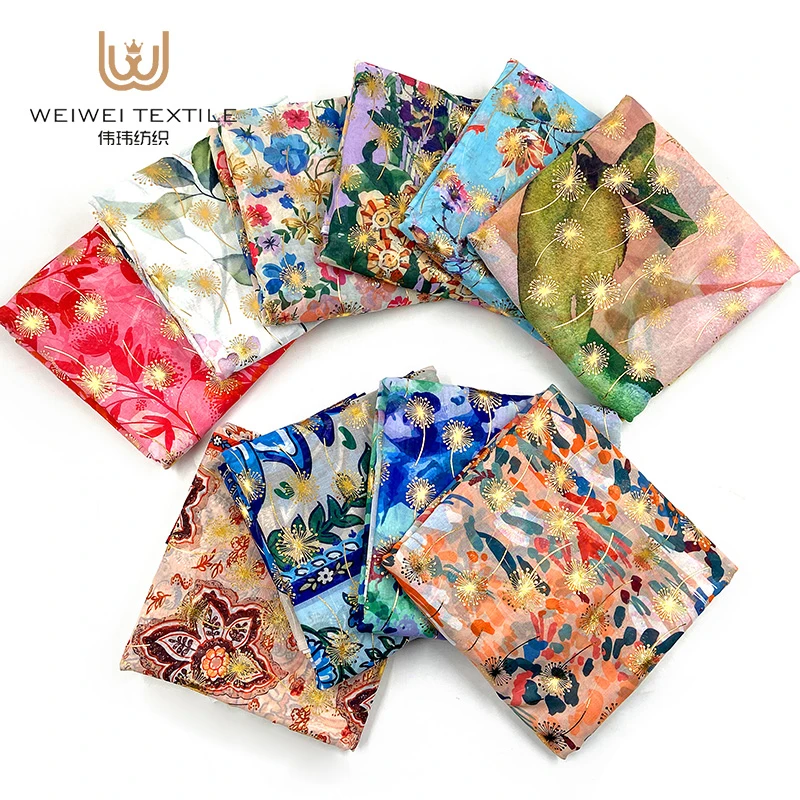
One popular option is printed cotton voile. Printed designs allow for a wide range of colors and artistic patterns, making it easy to create fashionable yet modest head coverings. Many women enjoy collecting different prints to match their outfits for work, family gatherings, or religious events.
Among the most loved patterns are floral designs. Floral cotton voile brings a soft and feminine aesthetic to hijabs. The gentle floral motifs create a natural elegance that is suitable for both casual and formal wear. In many cultures, flowers symbolize beauty, peace, and grace, making them a meaningful design choice.
Similarly, floral cotton voile fabric is widely used by designers who create ready-made hijabs, scarves, and shawls. These fabrics allow for vibrant yet sophisticated patterns that appeal to women of different ages.
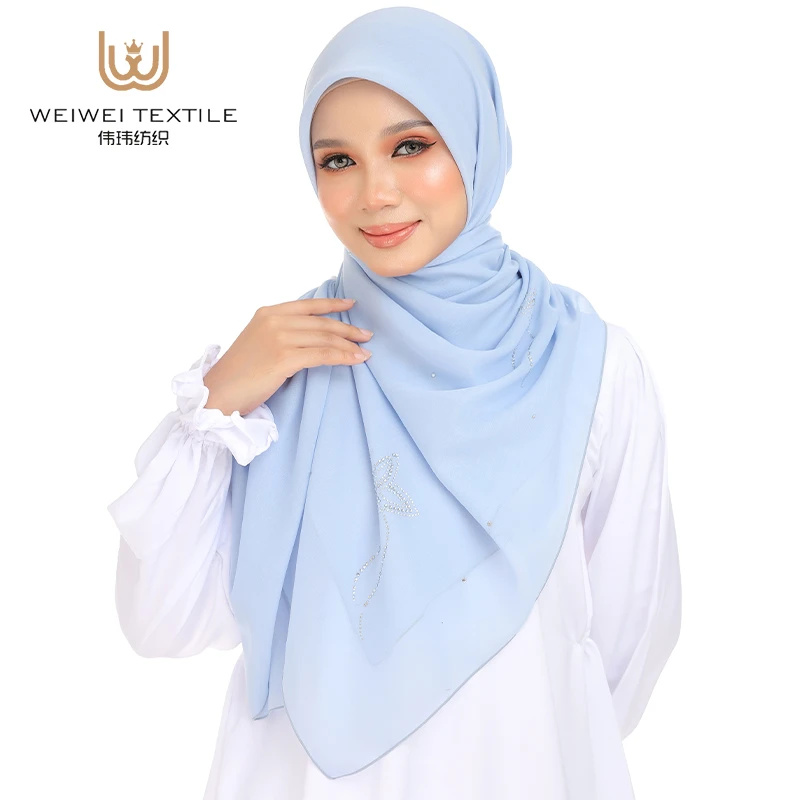
Another decorative option is embroidery. Embroidered cotton voile combines traditional craftsmanship with modern fashion. Small embroidered details along the edges or across the fabric can transform a simple scarf into a refined accessory. Many women prefer embroidered cotton voile fabric for celebrations, religious gatherings, or family events because it adds elegance without being too heavy.
Embroidery also reflects cultural artistry. Different regions may use unique stitching styles, geometric patterns, or floral embroidery inspired by local traditions. As a result, cotton voile hijabs can carry cultural identity as well as personal style.
Global Styles and the Influence of Japanese Cotton Voile
Cotton voile fabrics are produced in many countries, and each region may bring its own aesthetic and manufacturing techniques. One example that has gained attention in the textile market is japanese cotton voile.
Japanese textile production is known for precision, quality, and artistic design. Japanese cotton voile fabric often features refined prints, delicate textures, and carefully balanced color palettes. These fabrics appeal to women who appreciate minimalist elegance and high-quality craftsmanship.
The global textile market has made it easier than ever for designers and consumers to access fabrics from different cultures. Today, hijab makers may combine traditional Muslim styles with fabrics sourced from various parts of the world, including Japan, Turkey, Indonesia, and India.
This global exchange has expanded the variety of cotton voile available. Women can now choose from modern patterns, classic prints, and cultural designs while still maintaining the modesty and functionality required for daily head coverings.
Despite the variety of international styles, the core benefit remains the same: cotton voile offers comfort, elegance, and practicality for Muslim women who wear hijabs every day.
Cotton Voile and the Everyday Tradition of Hijab
The hijab is more than just a piece of fabric. For many Muslim women, it represents faith, modesty, identity, and cultural heritage. Choosing the right fabric is therefore an important part of maintaining comfort and confidence in daily life.
Because cotton voile material is lightweight, breathable, and versatile, it has become one of the most widely used fabrics for hijabs. Whether a woman prefers simple designs, floral patterns, or elegant embroidery, cotton voile can meet those preferences while remaining practical.
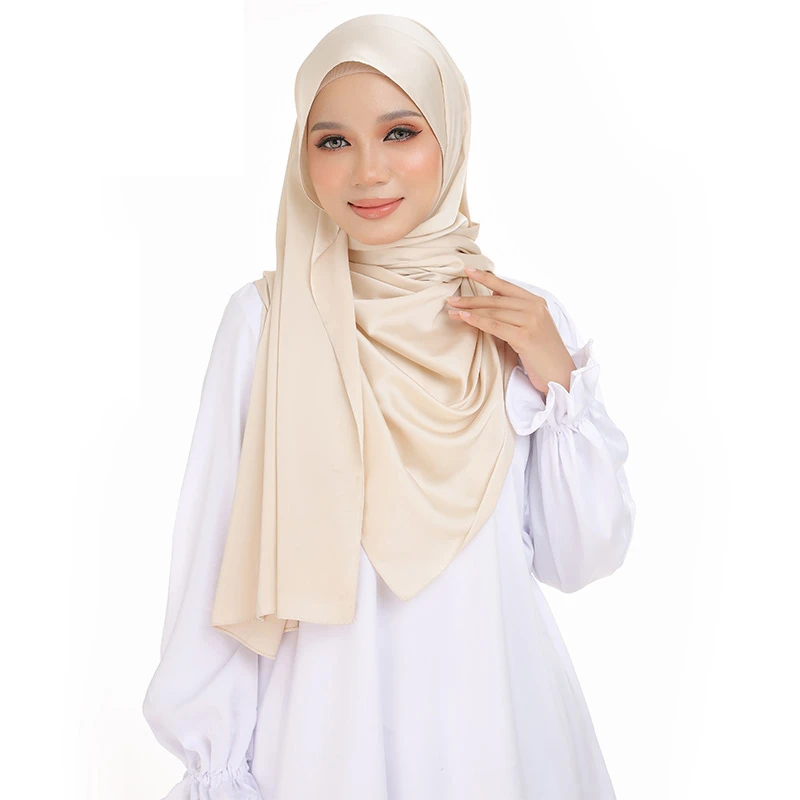
Many women choose different cotton voile scarves for different situations. A plain scarf may be worn during daily errands, while printed cotton voile or floral cotton voile fabric might be selected for social gatherings. For weddings, religious celebrations, or family events, embroidered cotton voile fabric or soft embroidered cotton voile can provide a more refined appearance.
The affordability reflected in cotton voile price also allows women to build a collection of scarves without significant expense. This flexibility supports both personal expression and practical everyday use.
In warm regions especially, lightweight cotton voile and lightweight cotton voile fabric remain essential for staying comfortable while maintaining modest dress. The ability of the fabric to remain cool, soft, and breathable ensures that the hijab can be worn confidently throughout the day.
Cotton voile has become a favored fabric for Muslim head coverings because it perfectly balances comfort, beauty, and practicality. From cotton voile material used for simple daily scarves to decorative options like embroidered cotton voile, the versatility of this fabric meets the needs of modern Muslim women.
With styles ranging from printed cotton voile and floral cotton voile to elegant japanese cotton voile fabric, the variety available today allows women to express their personal style while honoring their cultural and religious traditions.
Most importantly, cotton voile supports the everyday practice of hijab by providing a breathable, lightweight, and comfortable solution. Whether worn for faith, culture, or personal identity, cotton voile continues to play an important role in the daily lives of Muslim women around the world.
-
Xinji Weiwei Textile Factory to Exhibit at the 139th Canton Fair
NewsApr.15,2026
-
Abaya Robe: Tradition, Elegance, and Daily Cultural Expression
NewsApr.15,2026
-
Satin Scarves and Hijabs: A Reflection of Tradition, Elegance, and Daily Practice
NewsApr.15,2026
-
Chiffon Scarf Hijab: A Blend of Tradition, Style, and Everyday Practice
NewsApr.15,2026
-
Exploring Hijab Fashion in Malaysia: Tradition, Style, and Daily Cultural Practice
NewsApr.15,2026
-
The Cultural Significance and Style of Voile Scarves and Shawls in Daily Muslim Wear
NewsApr.15,2026