Nov . 29, 2025 08:35 Back to list
Discover the Beauty and Benefits of the Multicolor Scarf – Style Meets Sustainability
What’s So Special About the Multicolor Scarf?
On the surface, a multicolor scarf might just seem like a stylish accessory that adds flair to anyone’s wardrobe. But zooming out, it’s clear these vibrant, versatile garments carry a significance that reaches into cultural identity, fashion innovation, and even global trade. Understanding the multicolor scarf means appreciating how it weaves tradition and modernity, sustainability and style, all into one vibrant package.
Globally, textile production is a multi-billion-dollar industry shaping economies, moves communities, and drives a significant chunk of labor markets — with scarves being a surprisingly pivotal piece. The multicolor scarf, in particular, bridges diverse palettes, tastes, and climate needs, offering warmth, personality, and sometimes even social signals. Plus, mastering its production and distribution connects to crucial discussions about sustainable fashion and equitable trade practices. So if you thought a scarf was just a scarf, hold that thought a minute — there’s a whole world wrapped up in these threads.
Mini takeaway: The multicolor scarf is more than just an accessory: it's a cultural artifact, a fashion statement, and a product shaped by global economics and sustainability concerns.
The Global Stage: Why Multicolor Scarves Matter
Multicolor scarves dominate markets across continents — from bustling marketplaces in Istanbul, where intricate patterns tell stories, to minimalist Scandinavian wardrobes that use bursts of color to brighten dark winters. According to the Global Textile Industry Report 2023, scarves represent nearly 15% of global fashion accessory sales, with multicolor variants growing steadily due to consumer demand for individualism.
But here’s a wrinkle: this growth isn’t without challenges. Environmental impacts of textile dyeing, fluctuating yarn prices, and rapidly evolving fashion trends all pressure manufacturers. The multicolor scarf addresses some of these issues by allowing brands to experiment with sustainable materials, protective finishes, and modular design approaches that reduce waste.
From a humanitarian angle, organizations like the UN use scarves in campaigns promoting local artisans and cultural heritage as income sources in developing regions, aligning economic development with environmental values. It’s kind of beautiful when you think about a simple scarf delivering dignity and a paycheck in one fell swoop.
Mini takeaway: Multicolor scarves aren’t just trendy; they embody economic, cultural, and environmental interplay on a truly global scale.
So, What Exactly Is a Multicolor Scarf?
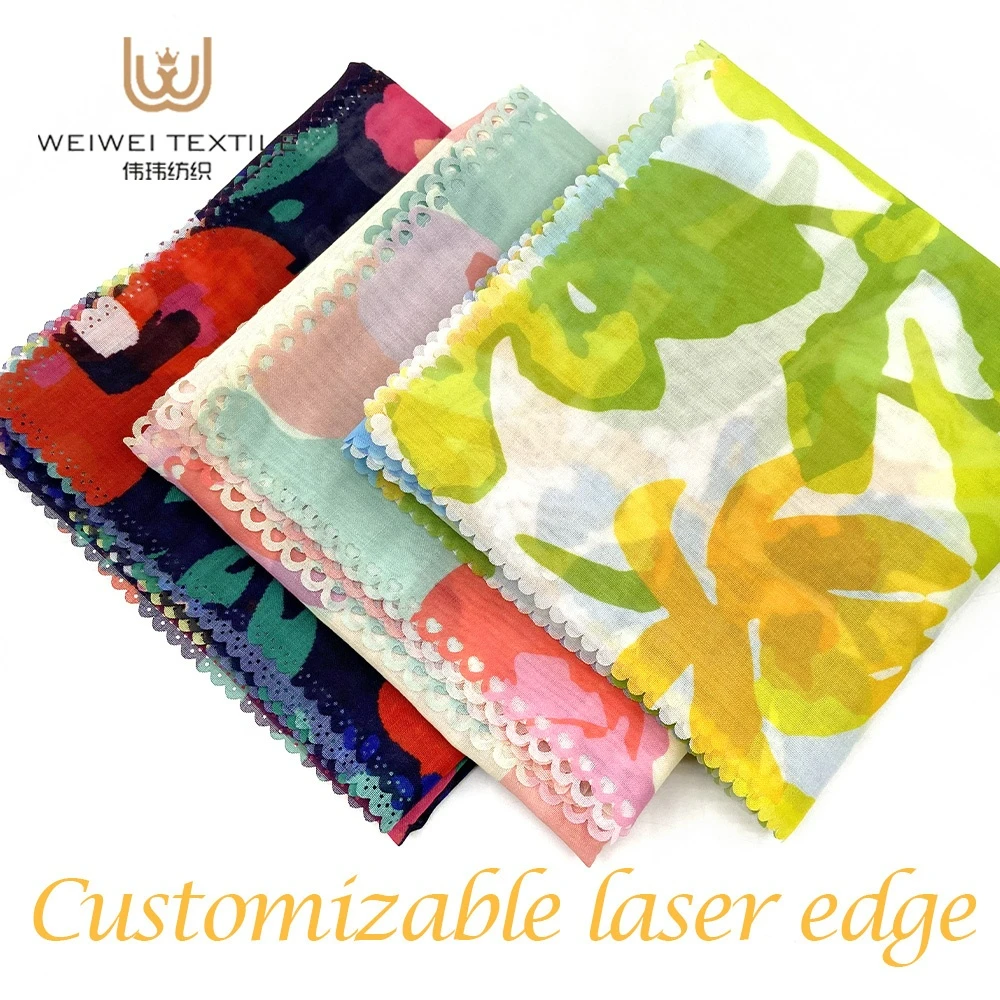
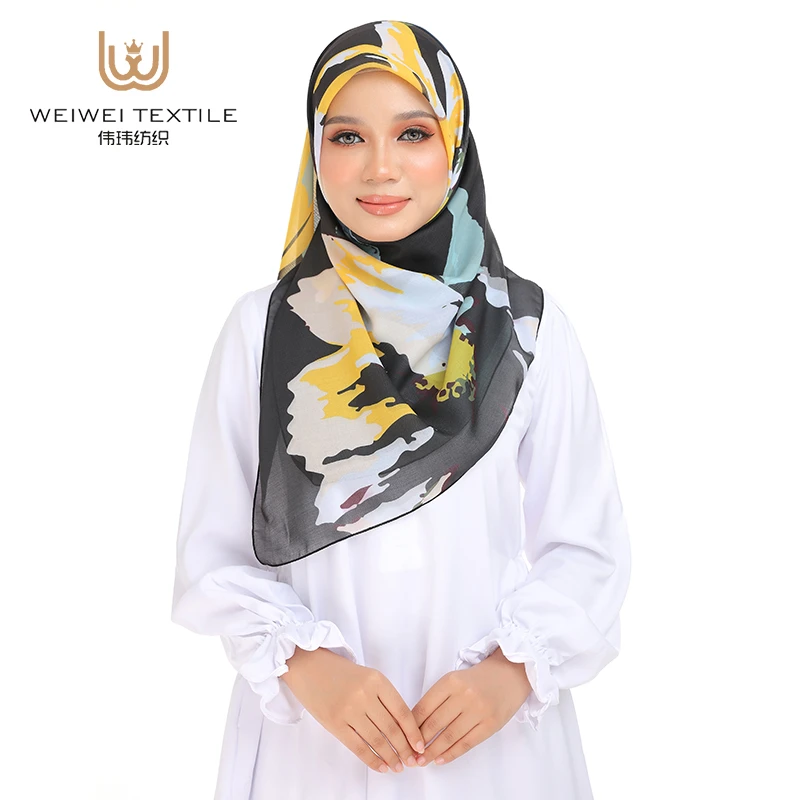
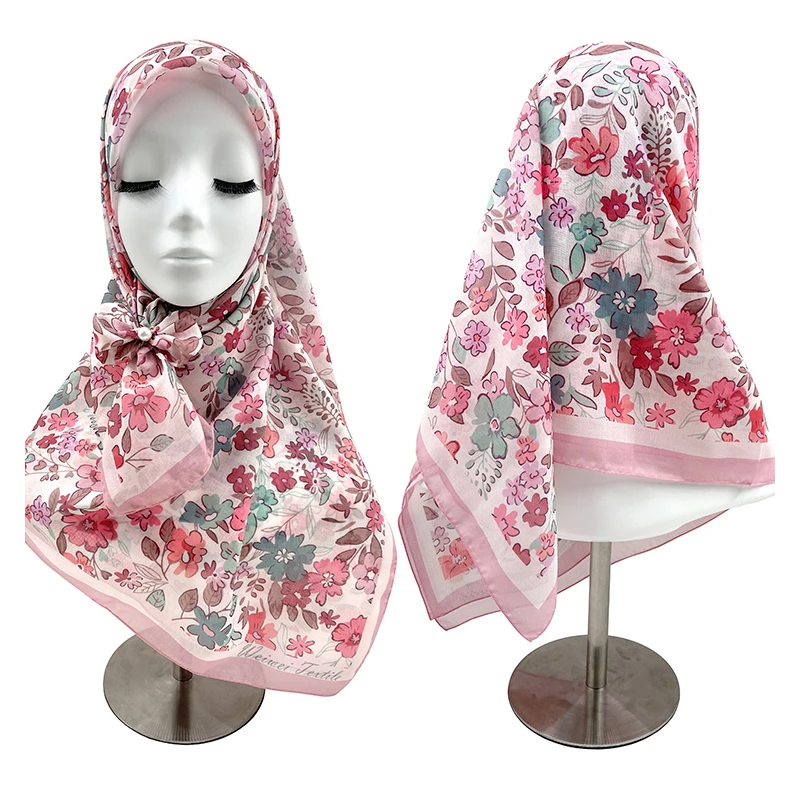
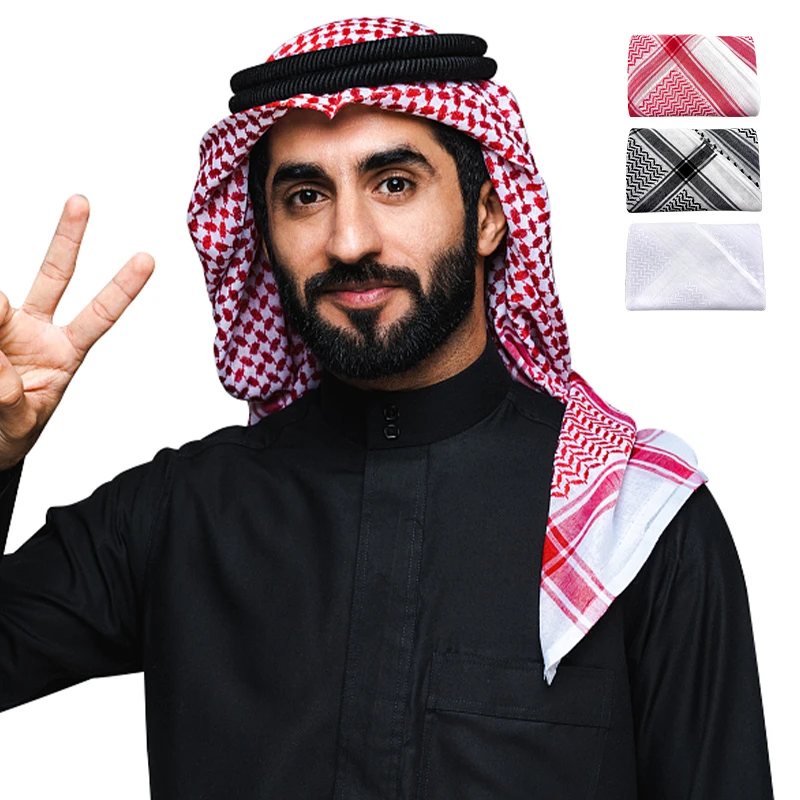
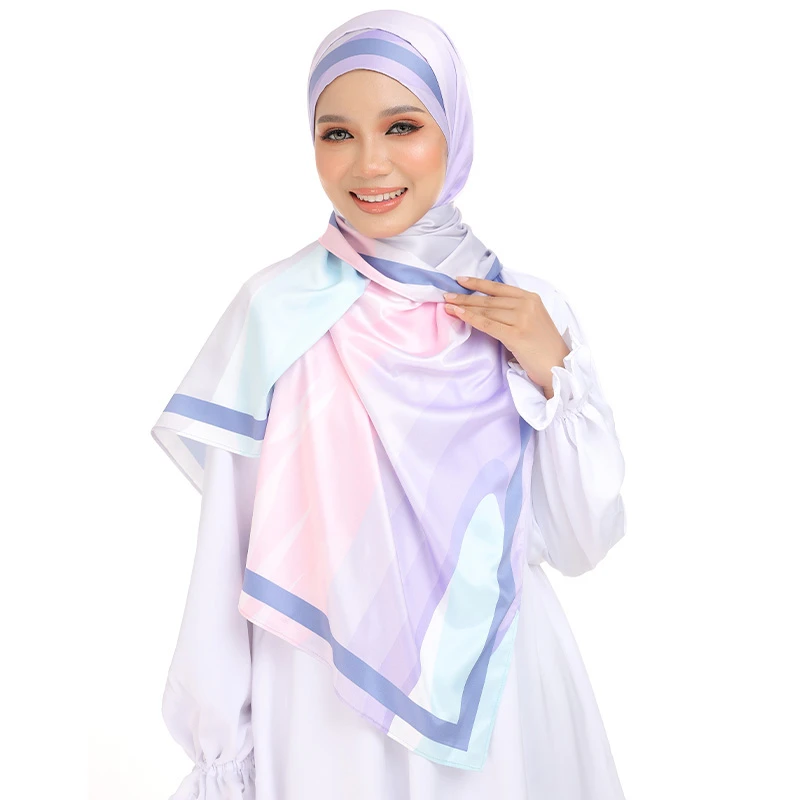
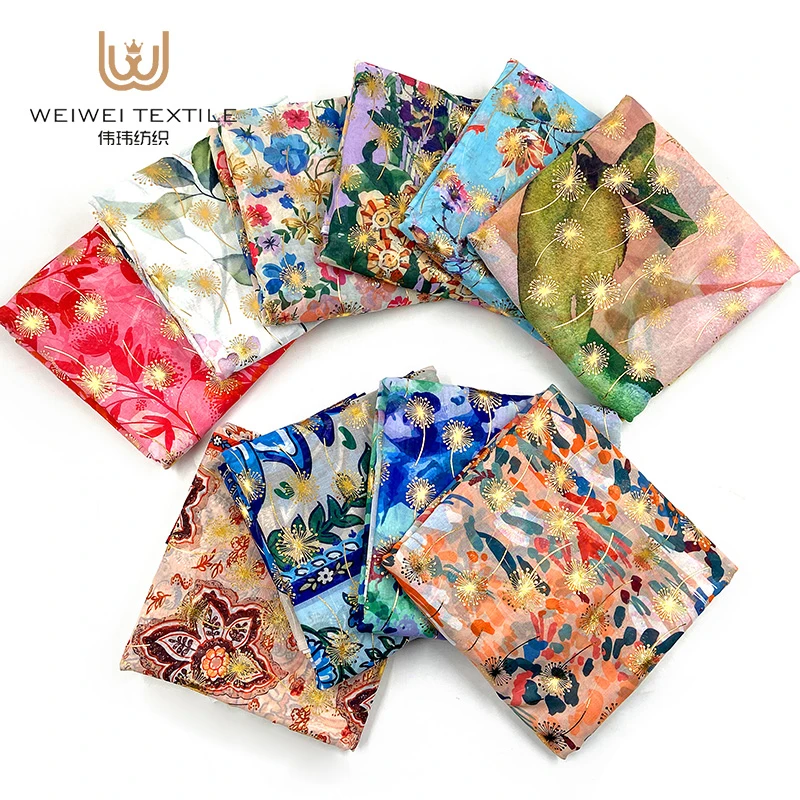
In simple terms, a multicolor scarf is a fabric accessory designed with two or more distinct colors or patterns, woven, knitted, or printed in ways that harmonize vibrantly. Its essence lies in color diversity — whether it’s stripes, plaids, abstract patches, or gradient blends — that create visual richness.
From an industry perspective, these scarves showcase advancements in dyeing technology, pattern design, and fabric blending. They often combine natural fibers like cotton, wool, or silk with synthetics to balance texture, warmth, and durability.
Humanitarian and cultural applications also abound. For many indigenous communities, multicolor scarves symbolize identity and heritage. NGOs sometimes distribute these scarves as part of relief kits for seasonal weather protection or charity campaigns supporting artisan livelihoods.
Core Aspects of the Multicolor Scarf
1. Material Selection and Durability
The choice of fabrics is crucial. Wool imparts warmth; cotton breathes well; silk offers luxury sheen. Durability determines how long a scarf weathers daily wear or washing without fading or pilling. Many ask for blends because pure fibers can either be too delicate or too heavy.
2. Color Fastness and Techniques
Because multicolor scarves rely heavily on vibrant looks, the dyeing technique matters. Reactive dyes for cotton, acid dyes for wool or silk, and digital printing have all been game-changers. Proper color fastness prevents bleeding and fading, especially important for scarves that see frequent contact with skin or accessories.
3. Pattern Design and Cultural Influence
The patterns aren’t just for style — they often reflect the wearer's story or even local traditions. Designers balance trends with heritage, incorporating geometric shapes, floral motifs, or symbolic imagery. This blend helps scarves feel fresh yet respectful.
4. Sustainability and Ethical Considerations
With the fashion industry’s environmental footprint under scrutiny, many manufacturers now favor organic dyes, recycled fibers, or zero-waste cutting protocols. Ethical labor practices also resonate strongly with buyers, pushing brands to source responsibly.
5. Size, Weight, and Functionality
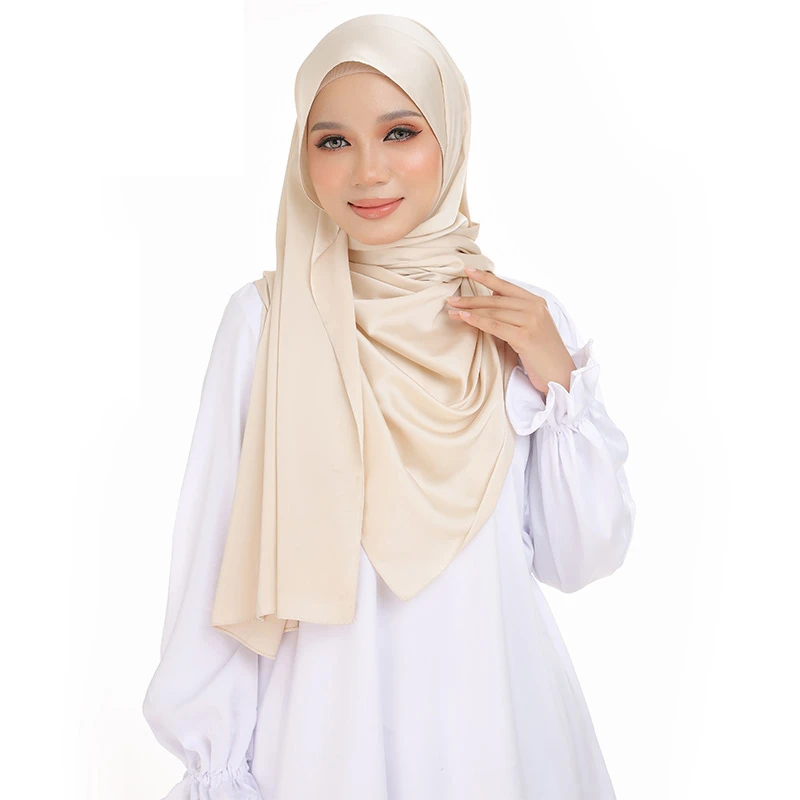
Whether bulky enough to serve as winter protection or light and silky for spring, size and weight decide how scarves are used. Multipurpose scarves that double as headwear, belts, or even wraps have expanded their appeal.
6. Price Point and Market Placement
From luxury designer limited editions to affordable everyday wear, multicolor scarves span a wide pricing spectrum. The price often reflects materials, craftsmanship, and brand positioning — all relevant to customer expectations.
Mini takeaway: The magic of a multicolor scarf lies in the intersection of materials, craftsmanship, culture, and conscious production choices.
Multicolor Scarf in Action: Use Cases Around the World
Oddly enough, scarves have become symbols and solutions in unexpected places. In northern Europe’s chilly winters, multicolor scarves are must-haves for layering and self-expression. In Southeast Asia, lightweight scarves incorporate traditional dyeing techniques like batik, supporting artisan communities.
In humanitarian aid, organizations supply multicolor scarves within refugee kits — not just because they provide warmth but because they preserve cultural identity when so much is lost. Industrial zones with rough climates sometimes use scarves made of high-performance fibers, offering protection from dust and UV rays.
Fashion capitals add to their appeal too. Paris and Milan run multicolor scarf shows that set international seasonal trends, pushing demand for fresh prints each year. And many online retailers now offer customization services for scarves, marking a niche of personalization that fosters consumer loyalty.
Product Specification Table: Typical Multicolor Scarf
| Attribute | Specification |
|---|---|
| Material | Cotton/Silk blend or Wool/Cashmere blend |
| Dimensions | 180 cm x 70 cm (approx.) |
| Weight | 100-150 grams |
| Dye Type | Reactive or acid dyes, environmentally certified |
| Care Instructions | Hand wash cold or dry clean recommended |
| Price Range | $30 - $120 (depending on brand and materials) |
Comparing Top Multicolor Scarf Vendors
| Vendor | Material Quality | Sustainability | Customization Options | Price Range |
|---|---|---|---|---|
| Elegance Threads | High-end cashmere blends | Limited organic dyes, partial recycling | Full custom print & size | $85 - $150 |
| UrbanWaves | Cotton/synthetic blends | Recycled fibers, eco packaging | Limited colorways only | $25 - $60 |
| Global Looms | Natural fibers from artisan groups | Fair trade certified, organic dyes | Custom ethnic motifs available | $40 - $90 |
Advantages & Long-Term Value of the Multicolor Scarf
Why do folks keep coming back to multicolor scarves beyond aesthetics? To start, they offer versatility — mix-and-match around the clock. Then there’s the sustainability factor: more brands adopt eco-friendly fibers and less water-intensive dyes in their production cycles.
Socially, multicolor scarves empower diverse cultural expressions and often foster artisan economies, especially in regions where traditional crafts face extinction. It’s uplifting to wear something that not only looks good but also carries an ethical backstory.
Emotionally, many say wearing a vibrant scarf boosts confidence. Color psychology backs this up: bright colors can improve mood and signal approachability. So it’s a win-win for personal and public spheres.
What’s Next? Trends & Innovations
In 2024, expect seeing more scarves featuring smart textiles — think embedded NFC tags for authentication, UV-protective coatings, or temperature regulating fibers. Sustainability is pushing brands toward fully biodegradable yarns and closed-loop manufacturing.
Digitally, customization continues to expand. AR apps let customers visualize multicolor scarves on themselves before buying — a neat blend of tech and tradition. And on the policy front, international agreements on textile waste are encouraging factories to innovate cleaner processes.
Challenges & Solutions
Some challenges, frankly, are legacy problems. Achieving color consistency across batches remains tricky, and scaling eco-friendly production can spike costs. However, collaborations between manufacturers and researchers are making strides, refining digital printing and recycling models to overcome these.
On the social end, ensuring fair wages and safe working conditions requires ongoing vigilance, with third-party certifications playing a growing role in accountability. Consumers can help by asking questions and supporting transparent brands.
FAQ: Real Questions About the Multicolor Scarf
- Q: How can I ensure my multicolor scarf won’t fade after washing?
- A: Look for scarves dyed with reactive or acid dyes that are certified for color fastness. Hand washing in cold water and avoiding harsh detergents also helps preserve vibrancy longer.
- Q: Are multicolor scarves suitable for sensitive skin?
- A: Many scarves use natural fibers such as cotton and silk, which are generally hypoallergenic. Checking the material blend and care instructions can prevent irritation. If in doubt, test on a small skin patch first.
- Q: What does sustainable mean when buying a multicolor scarf?
- A: Sustainable scarves use organic or recycled fibers, low-impact dyes, and fair labor practices. Certification labels like GOTS (Global Organic Textile Standard) or Fair Trade can guide your choice.
- Q: Can I customize a multicolor scarf with my own design?
- A: Absolutely. Several vendors offer custom printing or weaving on multicolor scarves, ideal for brands, events, or personal gifts. Technology now supports vivid digital prints on demand.
- Q: How do multicolor scarves fit into cold-weather wear?
- A: They can be layered or insulated, depending on materials. Wool or cashmere blends hold warmth well, while silk blends serve as stylish overlays. Versatility is a key advantage.
Wrapping Up & Next Steps
The multicolor scarf transcends its role as mere apparel. It’s a canvas of culture, craftsmanship, and conscience — wrapped in vibrant, wearable art. Whether for everyday wear or special causes, understanding its nuances brings you closer to the threads that bind fashion, economy, and environment.
If you’re curious to explore the most exquisite and ethically made multicolor scarves on the market, why not swing by our collection? Your next favorite piece awaits at https://www.hbweiweitex.com.
Until then, may your scarves be colorful and your days bright!
References
-
Xinji Weiwei Textile Factory to Exhibit at the 139th Canton Fair
NewsApr.15,2026
-
Abaya Robe: Tradition, Elegance, and Daily Cultural Expression
NewsApr.15,2026
-
Satin Scarves and Hijabs: A Reflection of Tradition, Elegance, and Daily Practice
NewsApr.15,2026
-
Chiffon Scarf Hijab: A Blend of Tradition, Style, and Everyday Practice
NewsApr.15,2026
-
Exploring Hijab Fashion in Malaysia: Tradition, Style, and Daily Cultural Practice
NewsApr.15,2026
-
The Cultural Significance and Style of Voile Scarves and Shawls in Daily Muslim Wear
NewsApr.15,2026