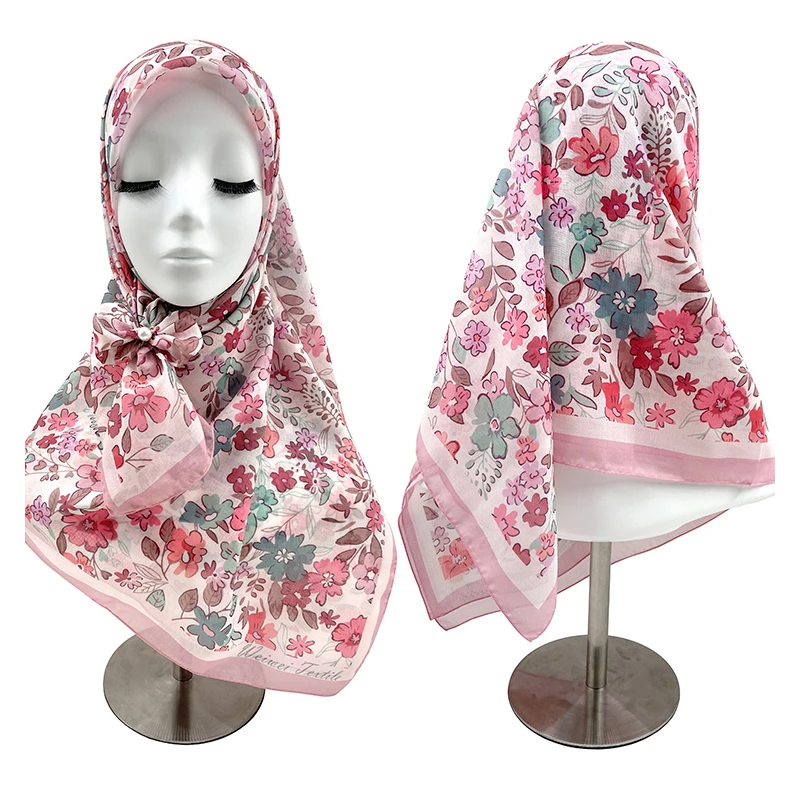
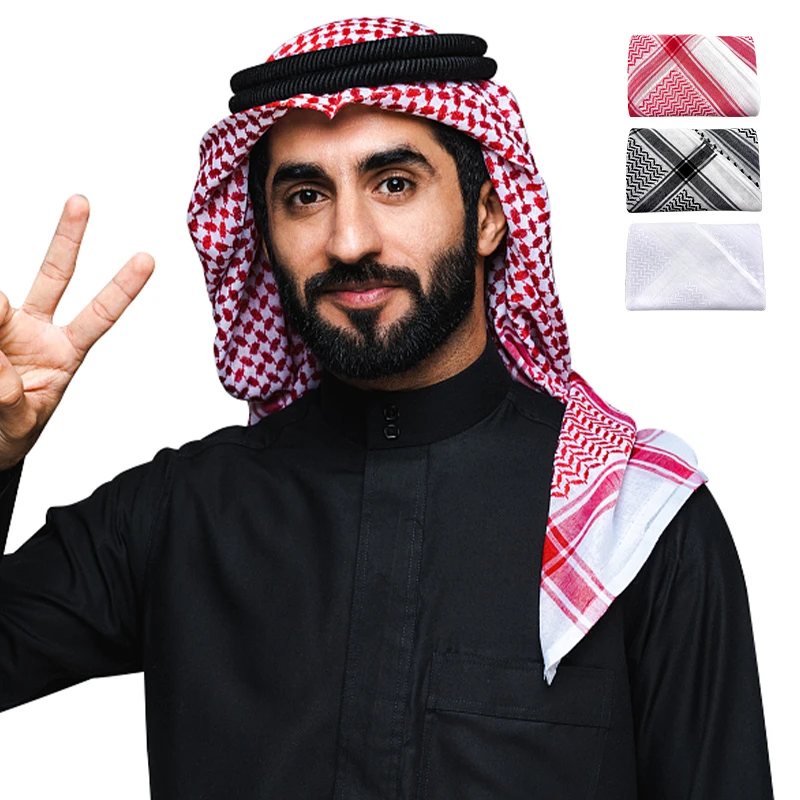
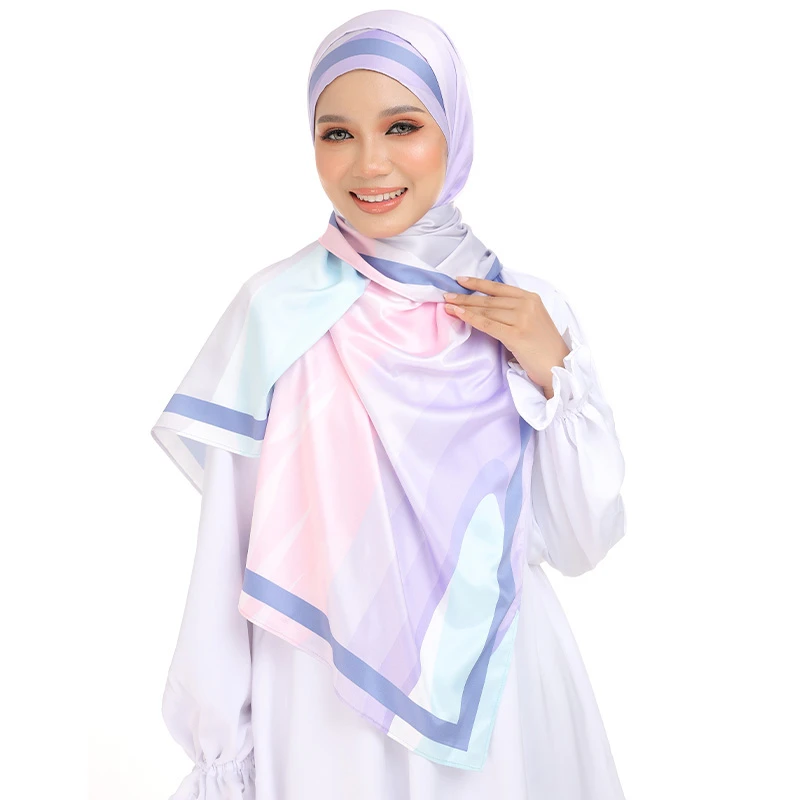
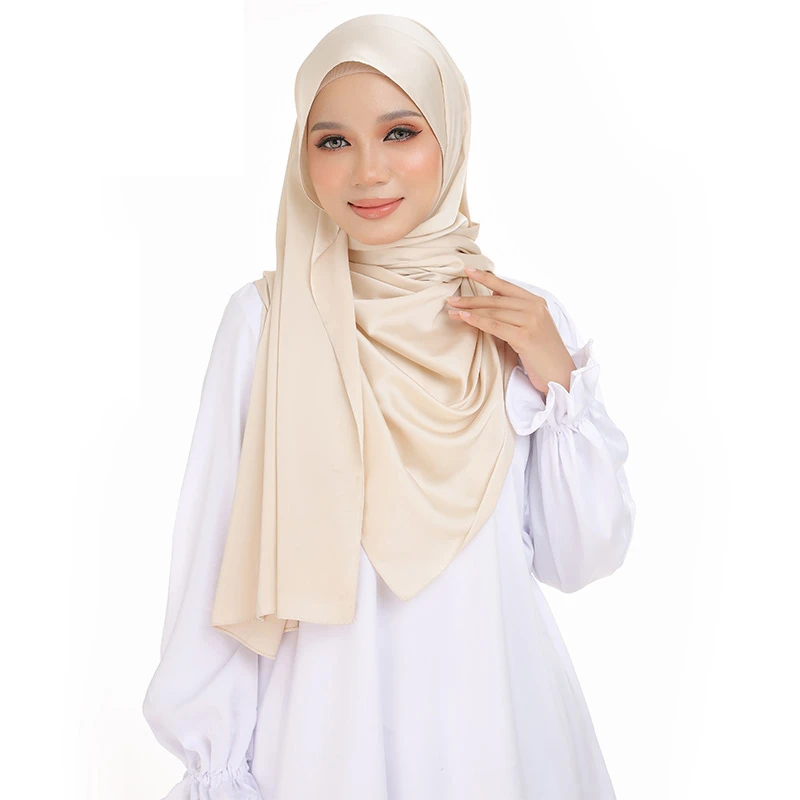
Nov . 29, 2025 03:40 Back to list
Discover the Benefits and Uses of the Muffler Scarf | Warmth Meets Function
Why the Muffler Scarf Matters: A Global Perspective
In a world continuously facing shifting climates and urban challenges, the humble muffler scarf surprisingly plays a subtle yet important role. Globally, scarves—especially muffler-style—serve more than just aesthetic or traditional purposes. They provide warmth in harsher climates, protect against airborne pollutants, and even support humanitarian efforts where health and comfort are critical.
According to the World Meteorological Organization, colder weather extremes are rising in unexpected regions; simultaneously, urban air pollution is worsening in many parts of Asia and Europe (1). The muffler scarf, combining warmth and filtration, offers a simple yet practical solution to such issues—bridging fashion, health, and utility.
Let’s unravel this accessory's meaning and discover why understanding its qualities matters beyond just keeping your neck cozy.
What Exactly Is a Muffler Scarf?
At its core, a muffler scarf is just a long piece of fabric designed to be wrapped around the neck to protect against chill and wind. But the term “muffler” typically emphasizes functional warmth and insulation over decorative purposes. In many parts of the world, muffler scarves are woven with special yarn blends or layered textiles to enhance thermal retention.
Modern muffler scarves now often integrate more than just cotton or wool—they may incorporate moisture-wicking fibers or even anti-pollution membranes. Industries from fashion to emergency aid recognize their value: keeping people warm in cold climates, reducing respiratory risks in urban smog, or providing comfort in refugee camps.
Mini takeaway:
The muffler scarf is more than just a neck accessory; it's a multi-functional item helping people adapt to environmental and social challenges.
Key Features that Define a Muffler Scarf
Warmth & Insulation
This is the prime function. Quality muffler scarves trap body heat with dense knitting and insulating fibers like wool or fleece. Some even use synthetic blends that mimic natural insulation but dry faster.
Material & Durability
Durability varies widely. Wool and cashmere are praised for warmth but demand gentle care, while acrylic and polyester blends offer ample durability at a budget price. For industrial or field use, long-lasting synthetic mufflers are often preferred.
Breathability & Comfort
Breathability’s crucial to avoid overheating or discomfort during physical activity. Modern scarves blend fibers to allow air flow, moisture wicking, and soft skin feel. Comfort often dictates user willingness to wear them all day.
Size and Coverage
The length and width of the muffler scarf dictate how much neck and chest coverage it can provide. Longer scarves offer versatile styling and more protection in windy conditions.
Style & Customization
Though largely functional, muffler scarves can also be highly personalized: color, pattern, thickness, and even embedded tech (think reflective threads for nighttime safety) make a difference.
Mini takeaway:
- Insulation and material matter most for warmth and durability.
- Breathability keeps the wearer comfortable under various conditions.
- Customization lets muffler scarves bridge function and fashion.
Real-World Applications of the Muffler Scarf
So, where do these scarves actually get put to work? The answer might surprise you a bit:
- Cold-Weather Territories: Naturally, countries like Canada, Russia, and Scandinavia have longstanding muffler scarf traditions—needed for winter survival and outdoor work.
- Urban Pollution Shields: In cities like Delhi, Beijing, or London, some use muffler scarves as a makeshift barrier against dust and smog. Though not a substitute for medical masks, they often help dampen particulate inhalation.
- Humanitarian Relief: Emergency teams distribute muffler scarves to displaced populations in colder climates, where the simple addition of neck warmth can prevent hypothermia.
- Outdoor Industries: From construction workers braving frost to delivery drivers, muffler scarves are part of essential PPE kits.
Oddly enough, many fashion-conscious young people also see the muffler scarf as a statement piece, combining utility with personal expression.
Advantages and Long-Term Value
Pragmatically speaking, the muffler scarf is hardly extravagant—yet it provides comfort, protection, and a touch of dignity. Here are some benefits I noticed chatting with outdoor workers and designers alike:
- Cost-Effective Warmth: Compared to heated gear, muffler scarves are affordable and low maintenance.
- Eco-Sustainability: Many brands now offer scarves made from recycled fibers or sustainable wool, cutting environmental impact.
- Emotional Comfort: Beyond mere warmth, scarves provide a sense of safety and continuity, especially in crisis contexts.
- Reliability and Versatility: They require no batteries or tech support, making them reliable in all conditions.
Product Specifications: Popular Muffler Scarves at a Glance
| Model | Material | Length | Warmth Rating | Price (USD) |
|---|---|---|---|---|
| Alpine WoolBlend | 50% Wool, 50% Acrylic | 180 cm | High | $35 |
| UrbanShield Pro | Polyester with Anti-Pollution Membrane | 170 cm | Medium | $25 |
| Classic Cashmere Wrap | 100% Cashmere | 190 cm | Very High | $120 |
Comparing Popular Muffler Scarf Vendors
| Vendor | Material Options | Price Range | Eco-Friendly Standards | User Ratings |
|---|---|---|---|---|
| ScarfCo | Wool, Acrylic, Cotton | $20–$80 | Yes (Recycled Fibers) | 4.5/5 |
| WarmThreads | Cashmere, Wool, Fleece | $50–$150 | Limited | 4.7/5 |
| GreenWraps | Organic Cotton, Bamboo, Recycled Polyester | $25–$90 | Yes (Cert. Global Organic Textile) | 4.3/5 |
What’s Next? Trends and Innovations in Muffler Scarves
The muffler scarf's future is surprisingly dynamic. New materials like graphene-infused fabrics promise ultra-light insulation. Meanwhile, some brands are incorporating smart textiles—think temperature regulation controlled by app or fabrics that adjust based on weather.
Sustainability is equally a big driver. With the textile industry being a major pollutant, eco-friendly mufflers made from organic or recycled fibers are rapidly gaining market share.
Also, modular scarves combining removable filters for pollution or allergens are becoming popular, especially in growing megacities.
Challenges and How to Overcome Them
Though simple, muffler scarves face a few hurdles. For one, production quality varies widely—some scarves pill quickly or lose shape. Also, not all scarves deliver promised warmth or filtering capabilities.
To tackle this, buyers should seek certifications or trusted vendor reputations. Manufacturers are responding by investing in better yarn blends and tougher weave techniques. In some remote areas, supply chain issues limit availability; here, local material sourcing and community-based crafting projects offer promising solutions.
FAQ: Your Muffler Scarf Questions Answered
- Q: How do I choose a muffler scarf for extreme cold?
- A: Look for scarves with high wool content or specialized insulation like fleece lining. Length also matters—longer scarves offer better layering options. Avoid purely synthetic options if warmth is your top priority.
- Q: Can muffler scarves protect against air pollution?
- A: While not medical-grade masks, some muffler scarves with tight weaves or pollution filters can reduce particulate inhalation. For heavy pollution, consider scarves with integrated filter pockets.
- Q: How do I care for a cashmere muffler scarf?
- A: Hand wash in cold water or dry clean only to preserve softness and prevent shrinkage. Avoid wringing or tumble drying.
- Q: Are muffler scarves a good gift idea?
- A: Absolutely! They combine thoughtful practicality with style, suits many budgets, and can be personalized to match the recipient’s taste.
Wrapping Up: Why Your Next Muffler Scarf Matters
Whether you’re braving icy winters, cycling through foggy streets, or simply want a timeless accessory with real-world benefits, the muffler scarf delivers. Its blend of warmth, comfort, and versatility makes it a quietly indispensable part of many wardrobes around the globe.
Curious about exploring the best muffler scarves tailored to your needs? Check out the latest selections and expert advice at muffler scarf.
Stay warm, stay stylish, and yes—stay curious about what this simple textile can do.
References
- World Meteorological Organization (WMO). Climate Extremes Report. https://public.wmo.int/en
- International Organization for Standardization. Textiles — Thermal Insulation Properties. ISO 11092:2014.
- United Nations Environment Programme (UNEP). Air Pollution Reports. https://www.unep.org/
-
Xinji Weiwei Textile Factory to Exhibit at the 139th Canton Fair
NewsApr.15,2026
-
Abaya Robe: Tradition, Elegance, and Daily Cultural Expression
NewsApr.15,2026
-
Satin Scarves and Hijabs: A Reflection of Tradition, Elegance, and Daily Practice
NewsApr.15,2026
-
Chiffon Scarf Hijab: A Blend of Tradition, Style, and Everyday Practice
NewsApr.15,2026
-
Exploring Hijab Fashion in Malaysia: Tradition, Style, and Daily Cultural Practice
NewsApr.15,2026
-
The Cultural Significance and Style of Voile Scarves and Shawls in Daily Muslim Wear
NewsApr.15,2026