Dec . 08, 2025 04:00 Back to list
Discover the Elegance and Practicality of Silk Chiffon Wraps | Ultimate Guide
Unveiling the Charm and Versatility of the Silk Chiffon Wrap
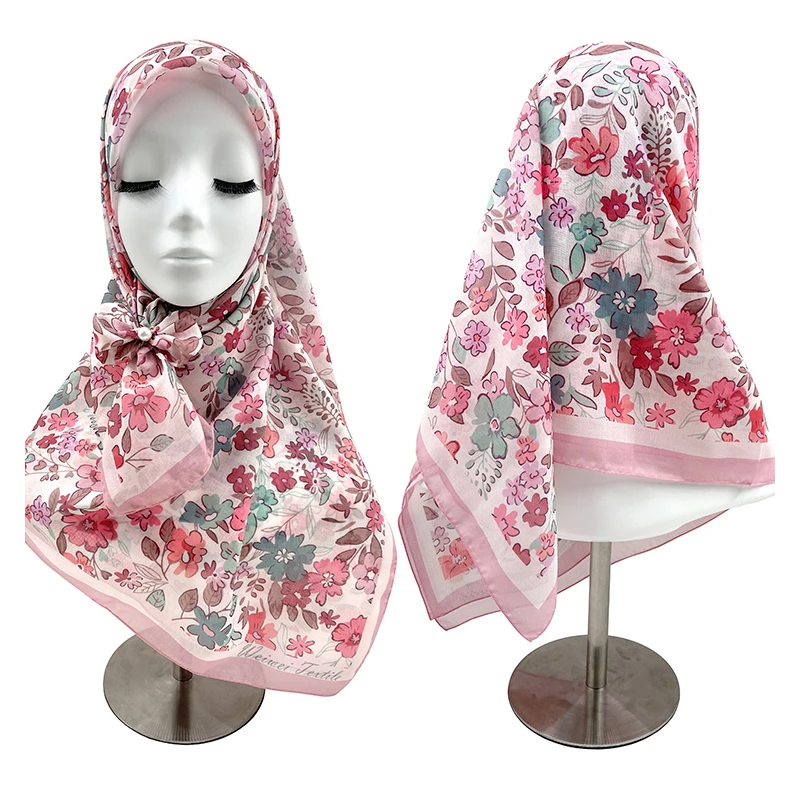
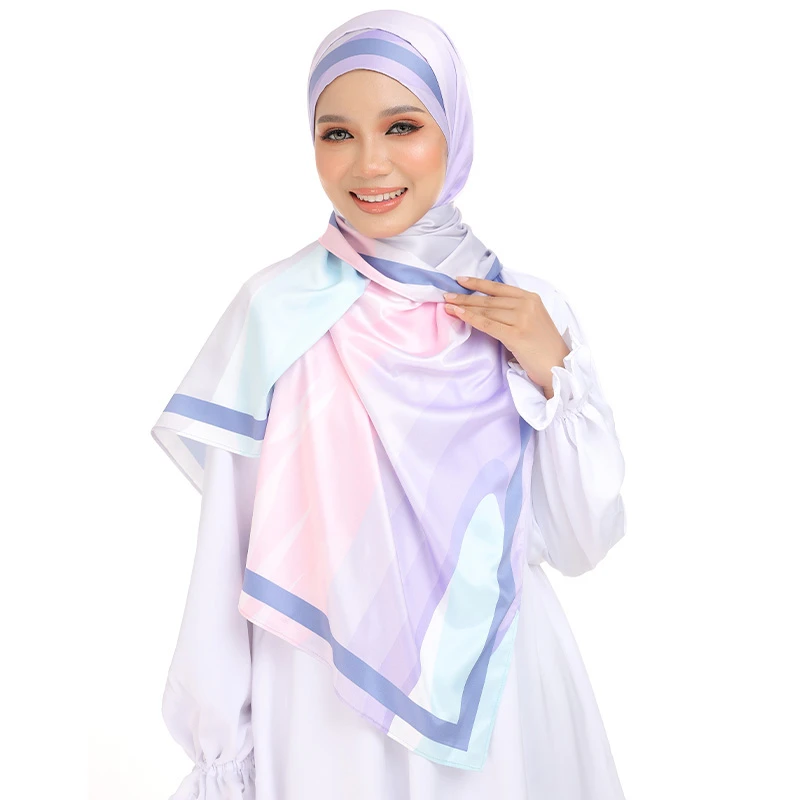
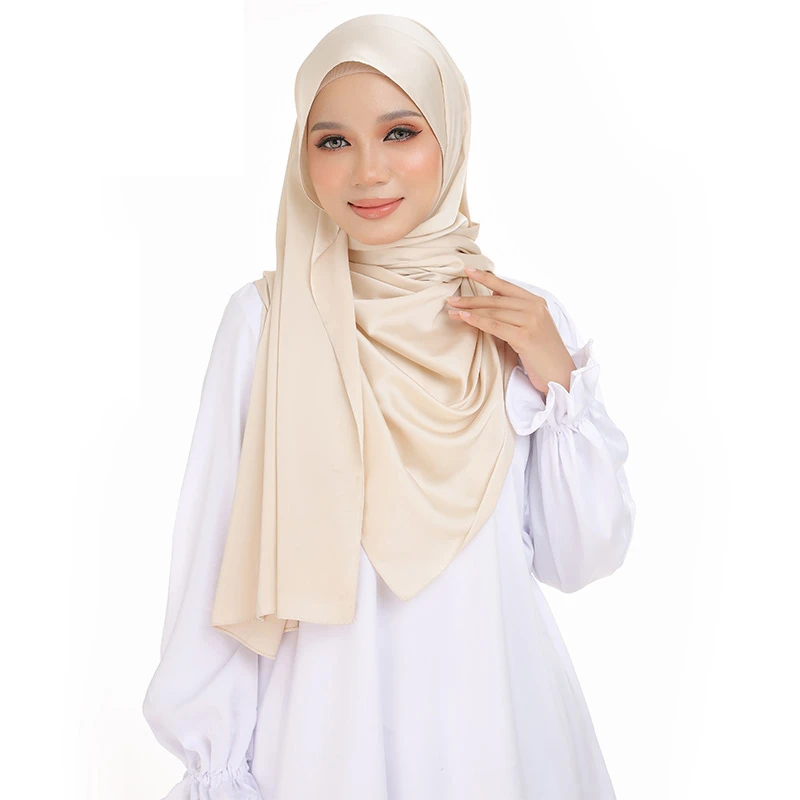
The silk chiffon wrap—perhaps you've seen one fluttering in a breezy spring market or gracing an elegant evening gown. But why does this delicate fabric accessory continue to capture hearts worldwide? Beyond aesthetics, the silk chiffon wrap carries a blend of heritage, craftsmanship, and practical versatility that resonates globally.
To appreciate its significance, consider the global silk market is valued at over USD 230 million and growing steadily, driven by silk’s unmatched softness, breathability, and natural sheen.(1) The silk chiffon wrap, in particular, balances elegance with usability—serving both fashionistas and those seeking light protection from sun or chill.
What Is a Silk Chiffon Wrap?
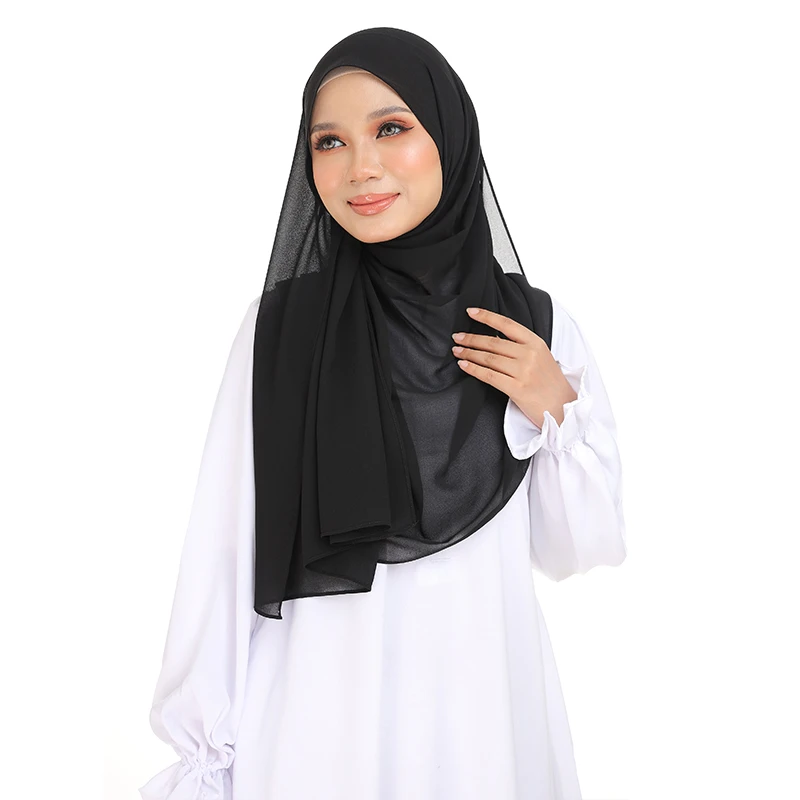
Simply put, a silk chiffon wrap is a lightweight, sheer, and slightly textured fabric piece usually rectangular, woven from fine silk strands. Unlike heavier shawls or scarves, chiffon is airy and transparent, making wraps made from it perfect for layering over dresses or blouses without overwhelming the outfit.
Its origins harken back to traditional silk weaving centers in China and India, but today, it also represents a refined accessory in modern fashion and even ceremonial uses. It's worth noting that silk chiffon’s natural fibers offer moisture-wicking properties, which make these wraps refreshing in warmer climates, a fact that further propels their popularity in diverse global settings.
Main Features of Silk Chiffon Wraps
Sheerness and Elegance
One defining quality is its translucent beauty—silk chiffon gently diffuses light, creating a soft glow around the wearer. This lightness means it layers beautifully without bulk, ideal for spring or summer evenings.
Durability Despite Delicacy
Though delicate to touch, silk chiffon is surprisingly resilient. With proper care, wraps retain their shape and sheen years beyond the initial wear. The weaving technique ensures a fine balance between softness and strength.
Thermal Comfort
Silk’s natural proteins absorb moisture and help regulate temperature, a cool relief on humid days yet subtle warmth when temperatures dip. Thus, the chiffon wrap is more than an accessory; it’s a climate-responsive companion.
Versatility of Use
From a simple sun shield during outdoor weddings to an elegant drape in cold theaters, its function transcends seasons and occasions. In some cultures, it even carries symbolic meaning in rites of passage, underscoring its cultural depth.
The Specifications of a Typical Silk Chiffon Wrap
| Feature | Specification |
|---|---|
| Material | 100% Mulberry Silk |
| Weave Type | Chiffon (Plain Weave) |
| Dimensions | 180 cm x 70 cm (approximately 71 x 28 inches) |
| Weight | 30-40 g (very lightweight) |
| Care Instructions | Hand wash cold; air dry; avoid direct sunlight |
| Color Options | Wide range from pastel hues to jewel tones |
Global Silk Chiffon Wrap Market: Vendor Comparison
| Vendor | Origin | Price Range (USD) | Eco-Friendly Practices | Customization Options |
|---|---|---|---|---|
| SilkRoad Textiles | China | $45 - $80 | Organic silk, low-impact dyes | Yes, limited designs |
| Kanchipuram Silks | India | $55 - $95 | Natural dyes, ethical sourcing | Wide range, bespoke colors |
| European Silk Co. | Italy | $70 - $120 | Sustainable energy use, recycled packaging | Custom prints available |
Global Applications & Use Cases
- Fashion Industry: Designers worldwide use silk chiffon wraps to add layers without weight, especially for haute couture and bridal collections.
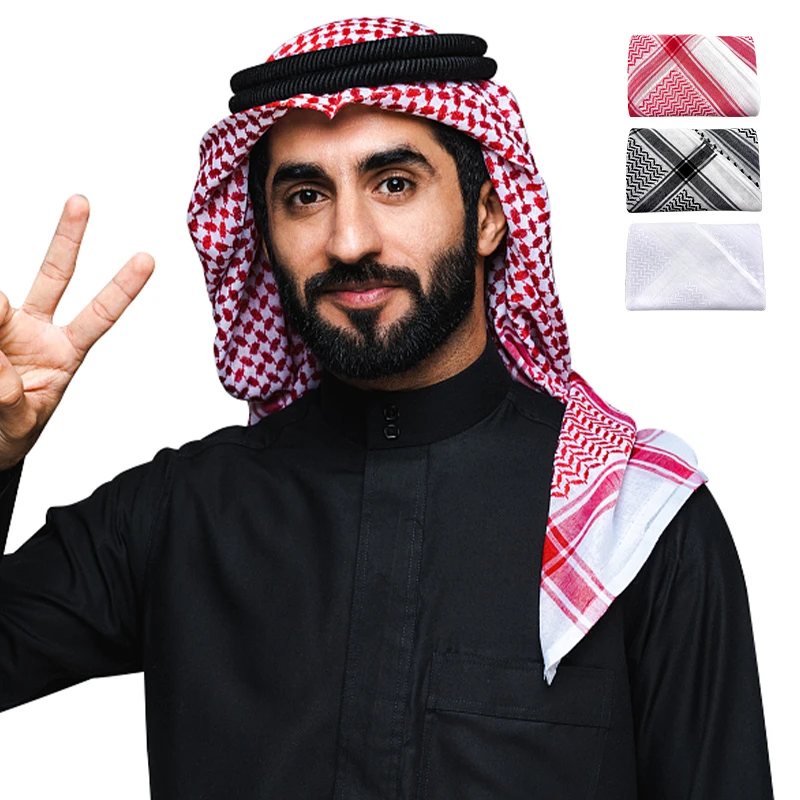
- Cultural Ceremonies: In many Asian and Middle Eastern traditions, the silk chiffon wrap is woven into wedding rituals, symbolizing purity and grace.
- Climate-sensitive Attire: In tropical regions, these wraps serve as polite sun protection, allowing breathability where heavier fabrics would cause discomfort.
- Airline and Hospitality Sectors: Interestingly, many airlines offer silk chiffon wraps as stylish comfort items, marrying luxury with function.
Mini takeaway: The silk chiffon wrap transcends a mere fashion accessory, serving practical and cultural roles worldwide.
Advantages & Long-Term Value
What strikes me about the silk chiffon wrap, besides its look and feel, is the blend of comfort and style that lasts. Silk’s hypoallergenic nature means fewer skin irritations, and its biodegradability offers an eco-friendly alternative to synthetics—important as sustainability trends grow. Emotionally, the wrap feels like a soft embrace; many users report it gives a subtle boost of confidence and calm by combining familiar elegance with practicality.
Future Trends & Innovations
Looking ahead, silk chiffon wraps are seeing exciting innovations. For one, digital textile printing is allowing intricate and customized patterns without added weight or altering fabric feel. Sustainable sericulture methods are reducing environmental footprints, with some ventures promoting transparent supply chains. Furthermore, blending silk chiffon with other natural fibers, like bamboo, could improve durability and anti-bacterial properties. Oddly enough, some startups are even working on coatings for silk that resist pollution—imagine a wrap that stays pristine even in urban smog.
Challenges & Solutions
Despite its many virtues, silk chiffon wraps come with challenges. The fabric’s fineness means susceptibility to snagging and damage, so careful handling is essential. Costs can be prohibitive for some markets, and quality varies widely depending on silk grades and finishing techniques. However, educating consumers about care, promoting trusted vendors, and innovations in silk production help mitigate these issues.
Frequently Asked Questions About Silk Chiffon Wrap
- Q: How do I care for my silk chiffon wrap to ensure it lasts?
- A: Hand wash your wrap gently in cool water using mild detergent. Avoid wringing and direct sunlight while drying. This preserves the fabric’s delicate fibers and color vibrancy.
- Q: Is silk chiffon environmentally friendly compared to synthetic scarves?
- A: Generally yes. Silk is a natural, biodegradable fiber, especially when sourced from sustainable sericulture. Unlike many synthetics, it decomposes without harmful residues.
- Q: Can silk chiffon wraps be customized with prints or embroidery?
- A: Absolutely. Many vendors offer digital printing or hand embroidery on silk chiffon wraps, adding personalization while retaining fabric’s lightness.
- Q: Are silk chiffon wraps suitable for year-round use?
- A: They are most comfortable in moderate to warm weather due to breathability, but layering can extend use into cooler seasons. Their thermal-regulating properties adapt well within limits.
Conclusion
In real terms, the silk chiffon wrap is more than just a delicate accessory. Its interplay of tradition, innovation, and sustainable appeal offers enduring value across continents and cultures. Whether you’re drawn to its elegant transparency or its surprising resilience, this classic fabric piece remains a thoughtful companion for fashion and function alike.
If you’re intrigued to experience or gift the timeless silk chiffon wrap, visit our website to explore curated collections, crafted for both beauty and lasting comfort.
Takeaway: The silk chiffon wrap melds art, utility, and sustainability in one flowing piece, proving that elegance need not be complicated.
References
-
Xinji Weiwei Textile Factory to Exhibit at the 139th Canton Fair
NewsApr.15,2026
-
Abaya Robe: Tradition, Elegance, and Daily Cultural Expression
NewsApr.15,2026
-
Satin Scarves and Hijabs: A Reflection of Tradition, Elegance, and Daily Practice
NewsApr.15,2026
-
Chiffon Scarf Hijab: A Blend of Tradition, Style, and Everyday Practice
NewsApr.15,2026
-
Exploring Hijab Fashion in Malaysia: Tradition, Style, and Daily Cultural Practice
NewsApr.15,2026
-
The Cultural Significance and Style of Voile Scarves and Shawls in Daily Muslim Wear
NewsApr.15,2026