Nov . 29, 2025 15:00 Back to list
Discover the Elegance and Sustainability of Navy Silk Scarves | WW Scarf
The Timeless Allure of the Navy Silk Scarf: More Than Just a Fashion Statement
When we hear “navy silk scarf,” images of elegant dress, timeless fashion, or even regal uniforms might come to mind. But beyond its aesthetic appeal, the navy silk scarf carries a global significance touching everything from sustainable textiles to cultural identity. Understanding it means appreciating not only an accessory but a symbol that embodies craftsmanship, innovation, and subtle global trade dynamics.
Why It Matters Globally
The silk industry is a major contributor to economies in Asia, especially in China and India, supplying millions of yards of fabric annually. According to the United Nations Industrial Development Organization (UNIDO), the global silk trade moves over $20 billion each year. The navy silk scarf, as a niche product of this industry, represents how traditional silk can be woven into contemporary markets. It also reflects shifts towards sustainable fashion bolstered by demand for natural fibers over synthetics—the kind often harmful to the environment.
Yet, while silk has a long history, the exact shade of navy blue is quite distinct. It transforms a simple scarf into a versatile piece—both formal and casual, modern yet steeped in tradition.
Mini Takeaway: The navy silk scarf connects centuries-old craftsmanship with today’s environmental and economic trends, making it a subtle but significant player in global textile discourse.
What Exactly Is a Navy Silk Scarf?
Simply put, a navy silk scarf is a lightweight, breathable fabric accessory dyed in a deep, dark blue resembling the color of naval uniforms. Made from natural silk fibers produced by the mulberry silkworm, it's prized for its smooth texture, sheen, and drape. Unlike scarves crafted from wool or cotton, silk feels almost weightless on the skin and reflects light in a way that gives the navy tone a rich embrace.
Interestingly, the navy silk scarf bridges traditional textile arts with modern applications—it's found on fashion runways, as a corporate gift item, and even in certain uniforms. That makes it a subtly global product, sitting on shelves from boutiques in Paris to markets in Tokyo.
Key Components Defining a Navy Silk Scarf
1. Quality of Silk
Mulberry silk reigns as the highest quality silk type. The smoothness affects not only feel but also durability. Some manufacturers blend silk with synthetic fibers to cut costs, but pure silk scarves command respect for being authentic.
2. Dye Process & Colorfastness
Navy as a color sounds simple, but achieving a deep, even tone on silk requires precision dyeing methods. ISO 105 (color fastness standards) often guides producers to ensure the scarf won’t fade after a few washes—crucial for repeat buyers.
3. Dimensions and Weight
Scarf sizes vary—from small neckerchiefs around 45x45 cm to large wrap scarves exceeding 90x90 cm. Weight is often indicated in mommes (mm), with 12-16 mm considered luxurious yet practical for daily wear.
4. Edge Finishing
Rolled and hand-stitched edges are a sign of attention to detail. Machine-stitched edges might be more affordable but don’t spell the same quality.
5. Sustainability Practices
Crucially, some manufacturers now employ eco-friendly silk production banning harmful chemicals and improving water use. This is appealing to ethically conscious consumers.
Mini Takeaway: The navy silk scarf’s beauty lies in subtle details—silk quality, dyeing craftsmanship, size, and ethical practices shape its true worth beyond pure aesthetics.
Applications Around the World
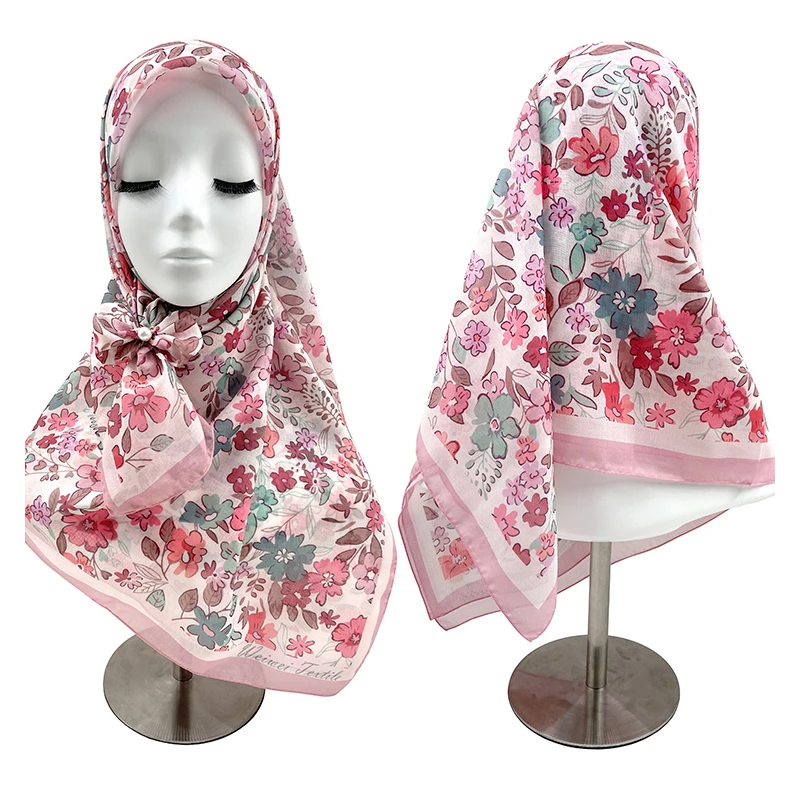
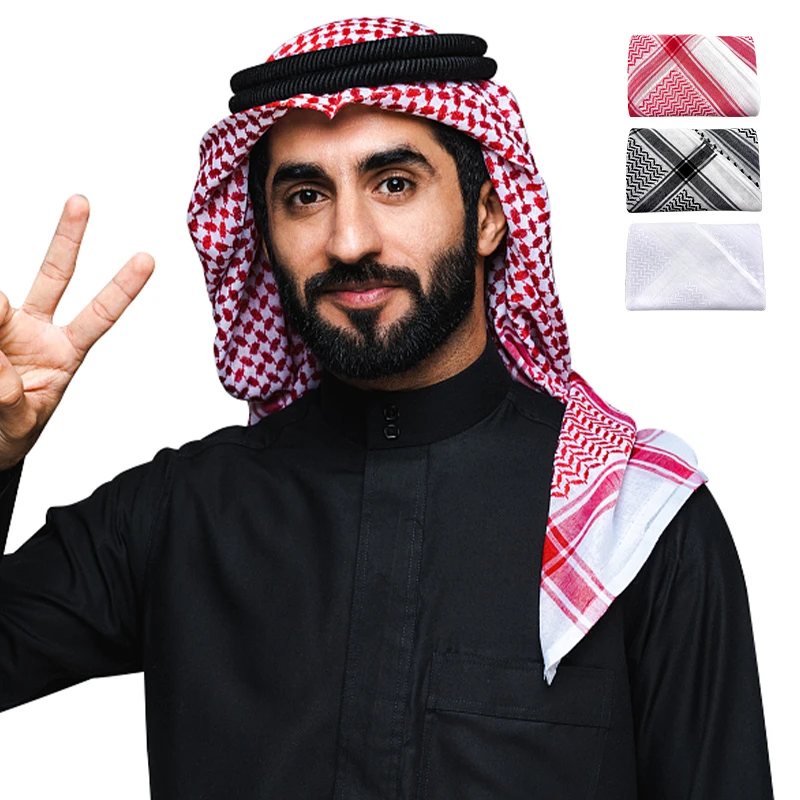
We often see these scarves adorning the necks of airline attendants in Asia and Europe, used as luxury gifts during corporate events, or simply worn by fashion enthusiasts mixing classic and modern styles.
- Fashion and Lifestyle: Designers incorporate navy silk scarves into seasonal collections, blending heritage with contemporary motifs.
- Military and Uniforms: Some naval and air force dress uniforms include silk scarves as formal wear elements, due to silk’s elegant sheen and historic associations.
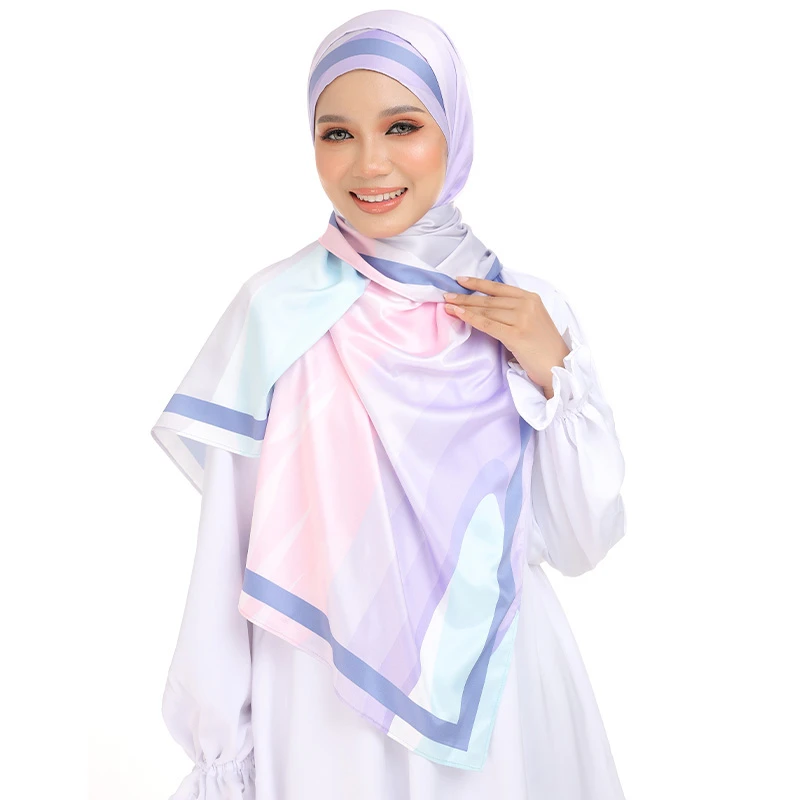
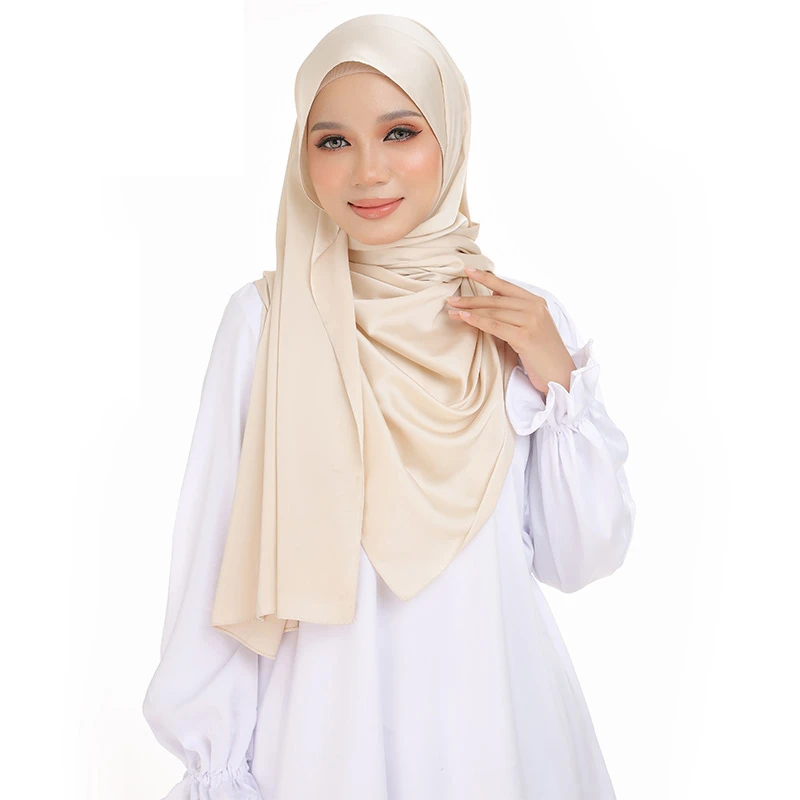
- Humanitarian NGOs: In certain refugee aid contexts, silk scarves provide lightweight, dignified head coverings—respecting cultural norms while being practical.
- Corporate Marketing: Branded navy silk scarves serve as valued giveaways tying luxury branding to client loyalty.
Mini Takeaway: Whether as functional apparel, stylish accessories, or symbolic gifts, the navy silk scarf adapts easily to different cultural and industrial needs worldwide.
Advantages & Lasting Value
Frankly, a navy silk scarf’s benefits extend beyond looks. You get lifetime durability if cared for properly, hypoallergenic comfort, and timeless style versatility. Emotionally, it invokes dignity—wearing it often feels like putting on a small piece of heritage. Logically, silk’s natural breathability minimizes heat or moisture discomfort.
Practical Benefits Include:
- Cost-effectiveness over time due to long-lasting fabric.
- Biodegradability, unlike synthetic scarves.
- Enhancement of personal brand or corporate identity.
- Adaptability for different climates—warmth without weight.
Product Specifications of a Typical Navy Silk Scarf
| Specification | Details |
|---|---|
| Material | 100% Mulberry Silk |
| Color | Navy Blue (Pantone 19-4029 TCX) |
| Dimensions | 90 x 90 cm (large scarf) |
| Weight | 13 mommes (~44 gsm) |
| Edge Finish | Hand-rolled and stitched |
| Care Instructions | Dry clean or gentle hand wash |
Comparing Top Vendors for Navy Silk Scarves
| Vendor | Origin | Material Quality | Price Range | Sustainability Practices |
|---|---|---|---|---|
| Silk Elegance Co. | China | AAA Grade Mulberry Silk | $70 - $110 | Eco-certified dyes, water recycling |
| Blue Thread Ltd. | India | Pure Mulberry Silk | $60 - $90 | Natural dyes, fair trade |
| Classic Scarves Inc. | Italy | Silk blend (85% silk) | $85 - $130 | Limited (synthetic blend) |
Looking Ahead: Trends and Innovations in Navy Silk Scarves
With consumers increasingly aware of sustainability, silk producers are experimenting with greener processes—from organic mulberry farming to low-impact dyes that cut pollution. Digital printing also allows detailed, custom-made navy silk scarves with minimal waste. Frankly, it feels like the textile world is quietly catching up to 21st-century expectations.
Technology aside, small luxury brands have begun collaborating with artisans in silk-growing regions to revitalize ancient weaving techniques. So, future scarves might carry stories as much as style. Oddly enough, the blend of heritage and technology is the scarf’s biggest charm going forward.
Challenges and How the Industry is Tackling Them
Producing high-quality navy silk scarves isn’t without hurdles. Silk cultivation is labor-intensive and dependent on mulberry tree health, vulnerable to climate shifts. Dyeing processes risk using toxic chemicals harmful to ecosystems.
To address this, many manufacturers are adopting:
- Organic sericulture certifications.
- Use of natural, vegetable-based dyes.
- Improved supply chain transparency using blockchain to prove ethical sourcing.
There's still a ways to go, but such moves improve the product's environmental footprint and consumer trust—essential in today’s market.
FAQ: What People Often Ask About Navy Silk Scarves
Q1: How do I care for a navy silk scarf to maintain its color?
A: It’s best to dry clean your navy silk scarf or hand wash gently with cold water and mild detergent. Avoid direct sunlight when drying, as this can fade the deep navy color. Proper care extends scarf life and preserves its sheen.
Q2: Are navy silk scarves suitable for sensitive skin?
A: Absolutely. Silk is naturally hypoallergenic and breathable, making these scarves comfortable for people with sensitive or allergy-prone skin. The smooth fibers reduce friction and irritation.
Q3: Can I customize a navy silk scarf for corporate branding?
A: Many manufacturers offer digital or screen printing services to add logos or custom designs to navy silk scarves, often in small to large quantities. This makes them popular corporate gifts.
Q4: Is silk environmentally friendly compared to synthetic scarves?
A: Natural silk is biodegradable and requires less energy to produce than synthetic fabrics. However, sustainability depends on farming and dyeing practices, so look for certifications or ethical sourcing info.
Q5: What shapes and sizes do navy silk scarves come in?
A: Most commonly, they’re square (50x50 to 90x90 cm) or rectangular (long wraps). Sizes vary based on fashion trends and intended use—from neck scarves to head wraps.
Wrapping Up: Why the Navy Silk Scarf Still Holds Its Place
So, next time you spot a navy silk scarf, remember it’s more than just a piece of fabric. It’s a confluence of history, art, sustainability efforts, and global trade. Its appeal—elegance paired with versatility—ensures it will keep captivating wardrobes worldwide.
Curious to explore the finest navy silk scarves? Feel free to visit our website to browse selections that balance classic craftsmanship with modern sensibility.
Mini Takeaway: A navy silk scarf is timeless and evolving, a small but meaningful token of culture, innovation, and style.
References:
1. Wikipedia - Silk
2. UN Industrial Development Organization (UNIDO) Textile Statistics
3. ISO 105 - Textile color fastness
-
Xinji Weiwei Textile Factory to Exhibit at the 139th Canton Fair
NewsApr.15,2026
-
Abaya Robe: Tradition, Elegance, and Daily Cultural Expression
NewsApr.15,2026
-
Satin Scarves and Hijabs: A Reflection of Tradition, Elegance, and Daily Practice
NewsApr.15,2026
-
Chiffon Scarf Hijab: A Blend of Tradition, Style, and Everyday Practice
NewsApr.15,2026
-
Exploring Hijab Fashion in Malaysia: Tradition, Style, and Daily Cultural Practice
NewsApr.15,2026
-
The Cultural Significance and Style of Voile Scarves and Shawls in Daily Muslim Wear
NewsApr.15,2026