Nov . 27, 2025 16:55 Back to list
Discover the Versatility and Global Impact of Long Shawls | WWScarf
The Long Shawl: More Than Just a Stylish Wrap
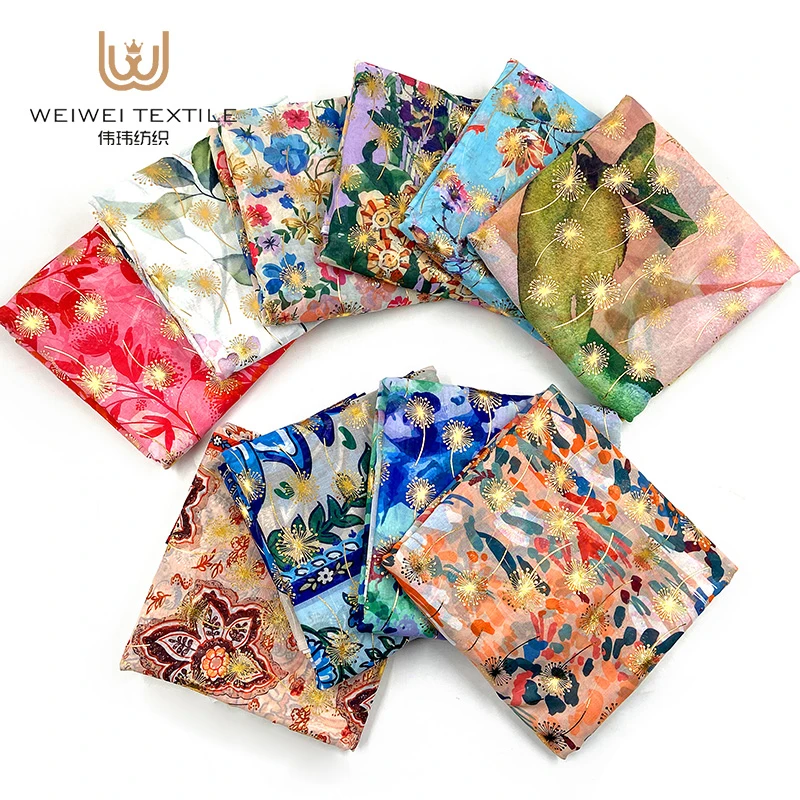
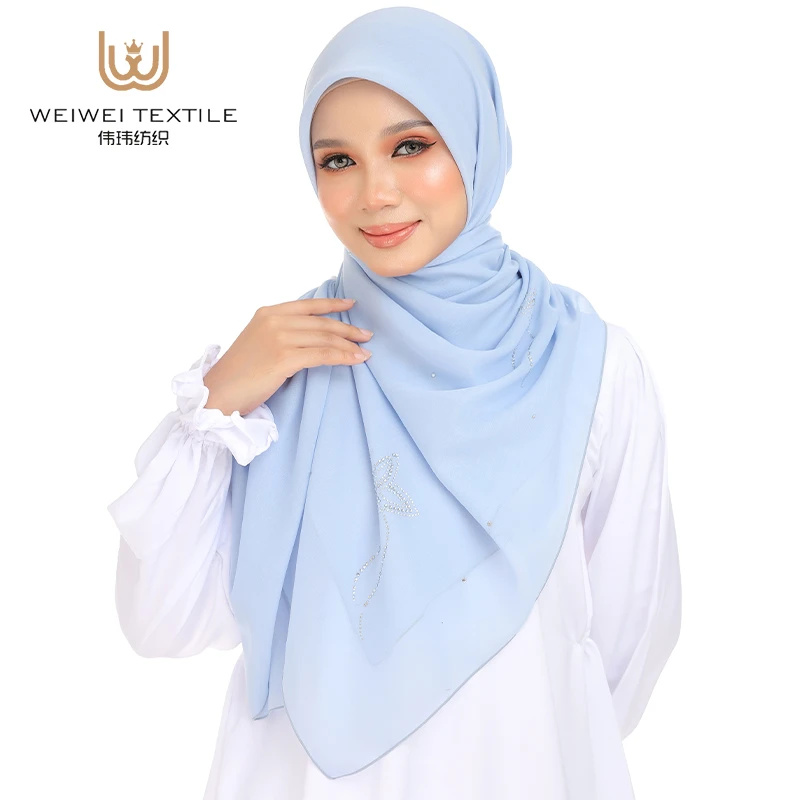
At first glance, a long shawl might seem like a simple accessory, a length of fabric designed to keep you warm or add flair to an outfit. Yet, it’s far more than that—woven into cultures across continents, serving practical purposes, and evolving with modern manufacturing, the long shawl is a fascinating blend of tradition and innovation. But why should this matter on a global scale? From climate-adapted clothing in harsh environments to dignified solutions in humanitarian crises, understanding the long shawl opens doors to better societal, environmental, and economic insight—plus, it’s a genuinely lovely item to know about.
A quick takeaway:
- Long shawls combine tradition with function worldwide.
- They serve practical and cultural needs across industries.
- Understanding their design benefits sustainable and humanitarian efforts.
Setting the Scene: The Global Impact of Long Shawls
The global textile industry—the backbone of long shawl production—is enormous, valued at roughly $1.23 trillion as of 2023 (Statista). Within this landscape, shawls represent an intersection of craftsmanship and utility. In cold regions of Asia, for example, long woolen shawls are essential for daily warmth, while in tropical climates, lightweight long shawls provide sun protection and style. Furthermore, organizations like the United Nations recognize shawls and wraps as vital for emergency aid kits, where durable, multi-use clothing can save lives and maintain dignity amid displacement.
Yet challenges persist. These include balancing cost, durability, and sourcing sustainable materials, amid an industry that sometimes leans heavily on fast fashion's environmental toll. That’s where innovation in creating long shawls — using recycled fibers or smart textiles — starts making a difference.
Mini summary:
Long shawls are everywhere, from traditional markets to emergency tents. Their global relevance spans cultural heritage and humanitarian relief, presenting opportunities and challenges alike.
What Exactly Is a Long Shawl?
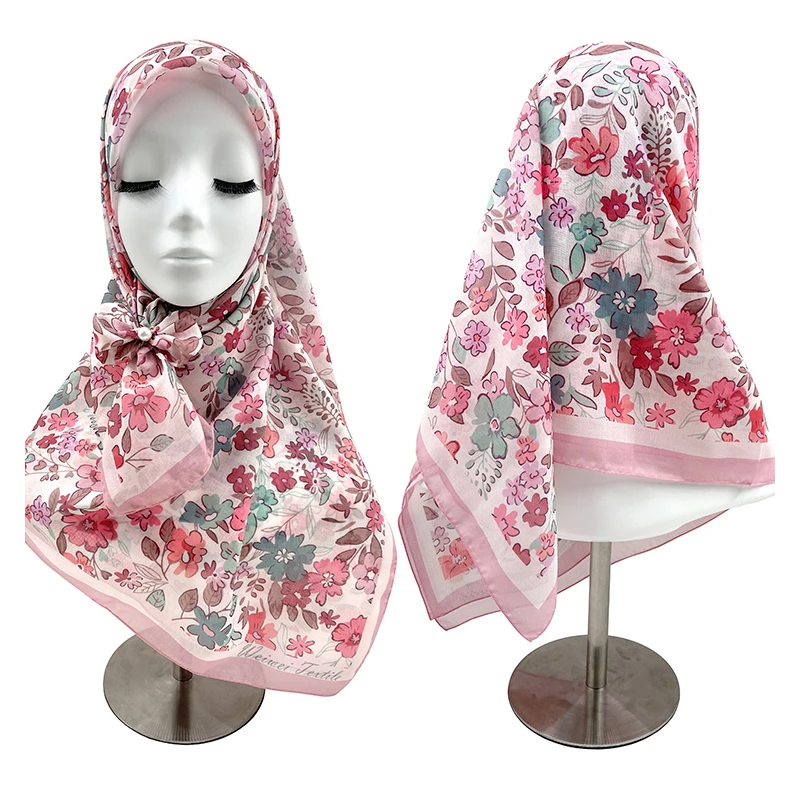
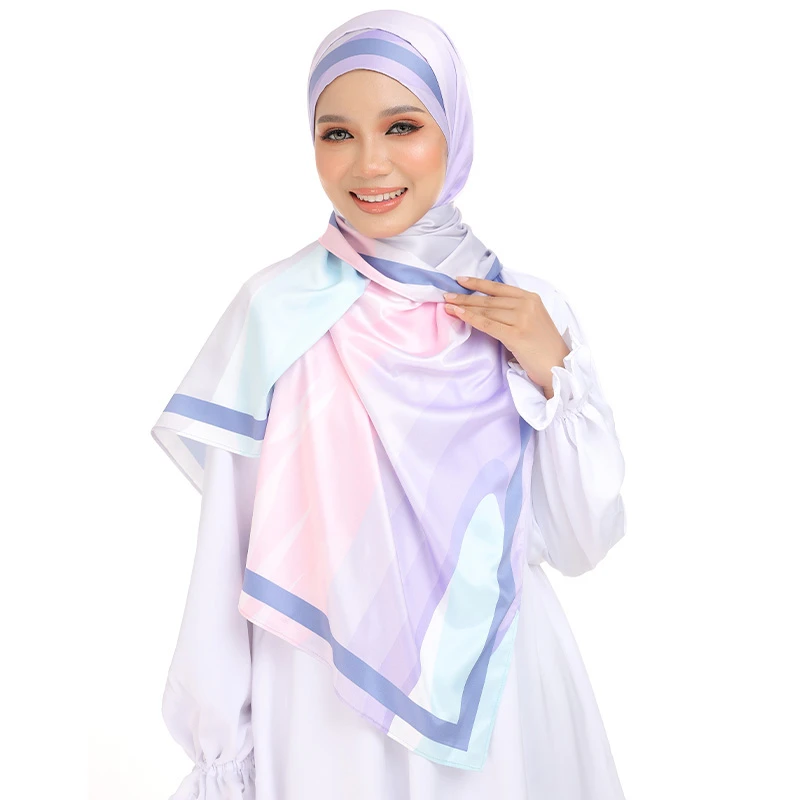
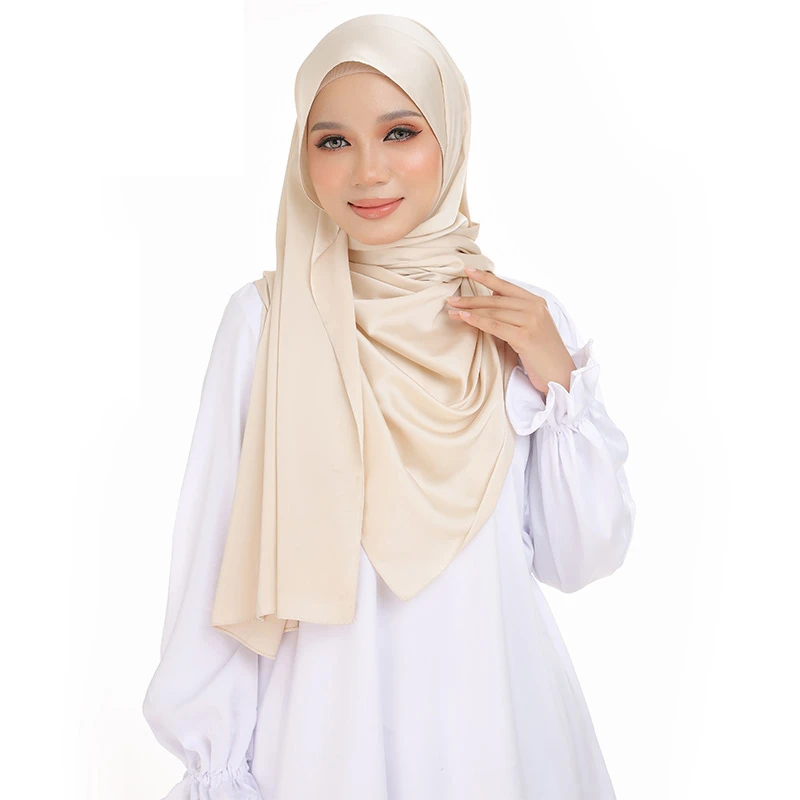
Simply put, a long shawl is a lengthier version of a traditional shawl — typically an elongated piece of fabric designed to wrap around the shoulders, arms, or head. Unlike scarves that are thinner and shorter, long shawls often measure up to 2 meters or more in length and vary widely in width. Their design allows versatility: from pure warmth and coverage to symbolic or ceremonial representation.
Industrially, long shawls have grown beyond mere fashion. They intersect with sectors like outdoor apparel, protective gear, and even medical textiles. Often, these shawls are engineered for enhanced performance: water resistance, UV protection, thermal insulation, or hypoallergenic properties, addressing modern-day industrial and humanitarian needs.
Key takeaway:
Long shawls are transitional garments, bridging simple fabric wraps with engineered solutions for comfort and protection in various uses.
Core Components of a High-Quality Long Shawl
1. Material and Durability
Whether it’s cashmere, wool, cotton, or innovative blends such as recycled polyester, the textile choice defines a shawl’s longevity and feel. Many high-end producers emphasize natural fibers for breathability, but synthetic blends often buy added abrasion resistance—a priority in industrial or relief environments.
2. Size and Coverage
Length and width aren't just about aesthetics: longer shawls mean better coverage against cold, wind, or sun exposure. They must be easy to wrap yet not cumbersome. The classic long shawl measures roughly 180–220 cm long and 70–90 cm wide, balancing practicality and comfort.
3. Thermal & Weather Protection
Advanced long shawls increasingly incorporate treatments to repel water or resist wind. Some are even designed to adapt thermally, using layered or knitted structures that trap heat when needed and allow breathability otherwise.
4. Ease of Maintenance
Especially in rugged or emergency use, shawls must be washable, quick drying, and resistant to color fading or fabric wear. This factor can make or break their utility in field conditions.
5. Aesthetic & Cultural Relevance
Decorative elements like patterns, dyes, and embroidery increase market appeal but also cultural identity. Many communities treasure their shawl styles as expressions of tradition and heritage.
Mini takeaway:
Material quality, coverage, weather resistance, and cultural significance all interplay in creating a long shawl fit for its purpose.
Global Applications & Real-Life Use Cases
It’s fascinating to see where long shawls pop up. For example:
- Post-disaster relief: NGOs distribute thermal long shawls in flood- and earthquake-hit areas as lightweight, multifunctional garments offering warmth and privacy.
- Outdoor and adventure gear: Brands now equip hikers and mountaineers with long scarves tailored to harsh weather, doubling as emergency blankets.
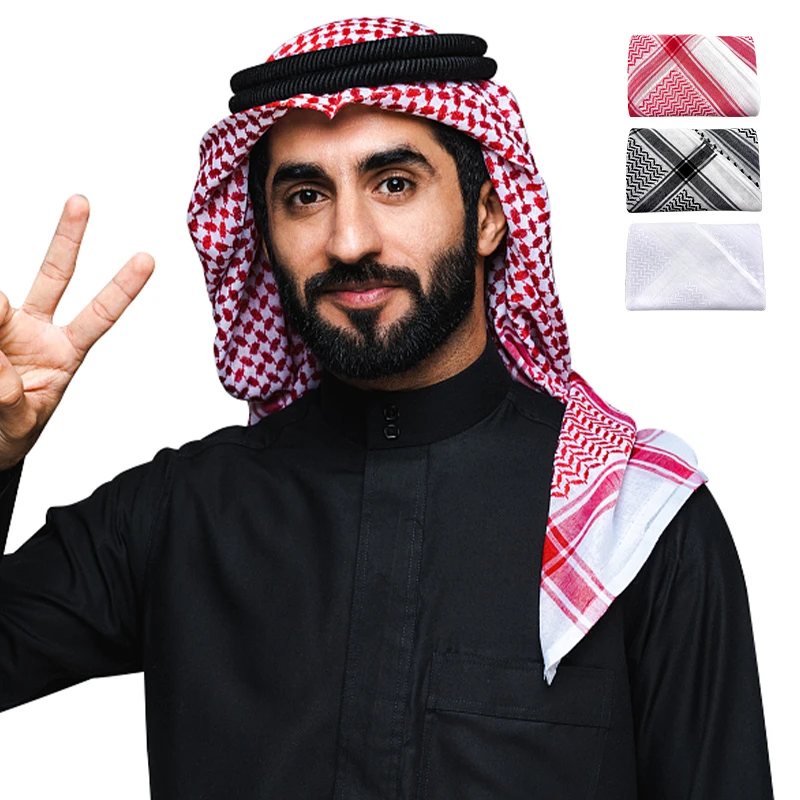
- Cultural ceremonies: In South Asia, long silk shawls are worn in weddings, while in parts of Eastern Europe, wool shawls mark traditional dress.
Meanwhile, emerging markets in remote industrial zones use long shawls as cost-effective personal protective layers when other gear falls short under tough logistics.
A quick reflection:
Long shawls remain timeless yet adapt to modern needs, proving their versatility far beyond fashion alone.
Advantages & Long-Term Value of the Long Shawl
The benefits here are both practical and emotional. On a basic level, a well-made long shawl provides thermal comfort and sun protection without bulky equipment. Its portability makes it perfect for quick changes in weather.
Socially, receiving a simple but dignified garment like a shawl in crisis zones restores a sense of normalcy and respect. It’s a small thing, but it counts.
Economically, investing in quality, sustainable fabric means fewer replacements and less waste—key for brands looking to align with the global push for sustainability (ISO 14001 certification guidance, for instance, underlines material efficiency).
Summary:
Long shawls carry intrinsic worth—cost efficiencies, sustainability, cultural identity, and emotional reassurance rolled into one.
Product Specification Table: Typical Long Shawl Features
| Feature | Specification | Notes |
|---|---|---|
| Material | Wool / Cashmere / Cotton / Recycled polyester | Natural preferred for warmth; synthetics for durability |
| Length | 180–220 cm | Optimal for wrap versatility |
| Width | 70–90 cm | Comfort and coverage balance |
| Weather Resistance | Water repellent, UV Protection | Enhanced usability in harsh conditions |
| Weight | 150–300 grams | Lightweight but effective warmth |
Vendor Comparison: Leading Long Shawl Providers
| Vendor | Material Quality | Price Range | Sustainability Focus | Special Features |
|---|---|---|---|---|
| AlpTranx | Premium wool/cashmere blend | $$$ | Partial recycled fibers | Water-resistant treatment |
| EcoWraps | Organic cotton mix | $$ | Fully sustainable & biodegradable | UV protection layer |
| TerraThreads | Recycled polyester/wool blend | $ | High post-consumer content | Fast drying & wrinkle resistant |
Looking Ahead: Innovations and Trends in Long Shawls
As we move further into the 2020s, there's a surge in smart textiles embedding technology into traditional fabrics. Think shawls that monitor body temperature or adjust insulation dynamically. Sustainability keeps rising — more companies are adopting circular economy models, producing long shawls from recycled ocean plastics or agricultural waste fibers.
Digital transformation also brings customization to the forefront. Consumers increasingly seek bespoke long shawls tailored in pattern, size, and fabric, ordering directly through online platforms that use virtual fitting tools.
Common Challenges and How Experts Tackle Them
Challenges include:
- Maintaining warm insulation without bulk. Manufacturers are experimenting with ultralight wool blends and knitting patterns to keep shawls snug but not cumbersome.
- Balancing cost with eco-friendly materials. Sustainable fibers cost more yet demand is growing. Bulk sourcing and blending traditional fibers with recycled content helps moderate prices.
- Durability in rough environments. Reinforced stitching, special coatings, and anti-pilling treatments make long shawls hold up longer under extreme use.
Experts stress ongoing R&D as the key—combining heritage techniques with new-age materials to overcome these hurdles effectively.
FAQ: Common Questions About Long Shawls
Q1: What makes a long shawl better than a regular scarf?
A long shawl offers more coverage and versatility. Unlike scarves, which tend to be narrow and shorter, long shawls can wrap around the body, double as a makeshift blanket, or cover the head, providing greater warmth and utility in various climates.
Q2: How do I care for a long shawl made from wool?
Wool shawls should generally be hand-washed in cold water with a gentle detergent or dry-cleaned to preserve their shape and softness. Avoid wringing or twisting the fabric, and air dry flat to reduce stretch.
Q3: Are long shawls suitable for outdoor work environments?
Absolutely. Many long shawls are designed with durable and weather-resistant materials, providing warmth and protection without restricting movement—a practical solution for workers in cold or windy conditions.
Q4: Can I customize my long shawl for corporate gifts?
Yes, many vendors offer customization options including embroidery, color selection, and fabric type, making long shawls thoughtful and valued corporate gifts or promotional items.
Q5: Where can I find sustainable, ethically produced long shawls?
Look for brands certified by international standards such as GOTS (Global Organic Textile Standard) or those that disclose transparent supply chain information. Vendors like EcoWraps, highlighted above, focus on sustainability.
In Closing: Why the Long Shawl Still Matters
The long shawl is a harmonious blend of heritage and modern necessity. It’s not just fabric — it’s warmth, cultural identity, sustainability, and practicality rolled into one. Whether you’re seeking a stylish accessory, a reliable companion on a mountain hike, or a humanitarian aid item, a well-designed long shawl stands the test of time and conditions.
Curious to explore more or find your next perfect long shawl? Visit our website: https://www.hbweiweitex.com to discover a curated selection made for today’s diverse needs.
Final quick takeaway:
Long shawls are timeless yet timely—woven into the fabric of cultures and futures alike.
References:
-
Xinji Weiwei Textile Factory to Exhibit at the 139th Canton Fair
NewsApr.15,2026
-
Abaya Robe: Tradition, Elegance, and Daily Cultural Expression
NewsApr.15,2026
-
Satin Scarves and Hijabs: A Reflection of Tradition, Elegance, and Daily Practice
NewsApr.15,2026
-
Chiffon Scarf Hijab: A Blend of Tradition, Style, and Everyday Practice
NewsApr.15,2026
-
Exploring Hijab Fashion in Malaysia: Tradition, Style, and Daily Cultural Practice
NewsApr.15,2026
-
The Cultural Significance and Style of Voile Scarves and Shawls in Daily Muslim Wear
NewsApr.15,2026