Nov . 27, 2025 10:10 Back to list
Discover the Versatility and Global Impact of the Long Head Scarf | WW Scarf
The Global Significance of the Long Head Scarf: Style Meets Function Worldwide
When you think about a long head scarf, what probably comes to mind is a timeless accessory — a swirl of fabric that can be both a fashion statement and a cultural symbol. But it’s so much more than that. Around the globe, the long head scarf carries deep social, religious, and practical footing. It’s also a quiet player in industries spanning from fashion to humanitarian aid. Understanding this simple yet versatile cloth can open doors to appreciating cultural identities, manufacturing economies, and even sustainability trends that ripple across continents.
Frankly, the long head scarf’s global footprint is substantial. According to UNESCO, textiles and traditional garment production empower millions, particularly women in emerging economies. The scarf’s simplicity belies its complexity: from market economies in the Middle East and South Asia to refugee camps and beyond, it's about dignity, protection, and identity.
Mini summary: The long head scarf isn’t just a fashion piece; it’s a cultural artifact with global socioeconomic impact, offering functionality and empowerment in various contexts.
Why the Long Head Scarf Still Matters in Today's World
The reach and relevance of long scarves, especially those designed to be wrapped or draped over the head, can’t be overstated. The World Bank reports that textile and apparel manufacturing employs over 75 million people worldwide, many producing these fundamental items. Moreover, incidents of extreme weather, like heatwaves or dust storms, have increased, amplifying the need for practical head coverings that protect individuals in vulnerable environments.
A key challenge that the long head scarf addresses is combining tradition with modern practicality. For many, it’s not merely decorative; it serves protective functions — shielding against sun, wind, or dust while respecting socio-cultural norms. Industry players and NGOs alike have begun recognizing scarves as part of essential kits distributed during humanitarian campaigns.
Mini summary: Today’s environmental challenges and cultural respect make the long head scarf both a need and a statement worldwide, intersecting with health, identity, and industry.
What Exactly Is a Long Head Scarf?
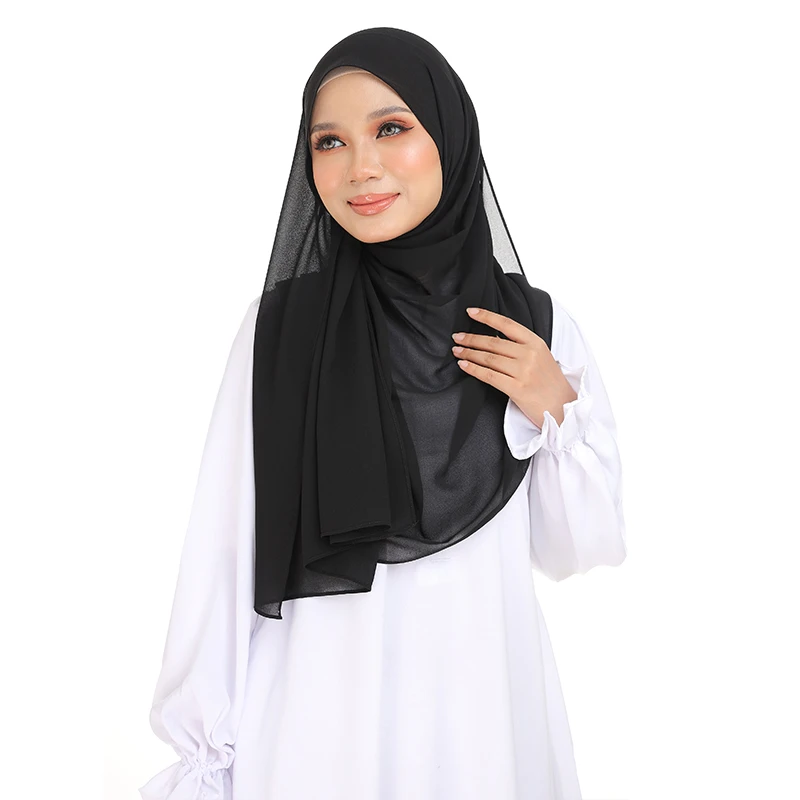
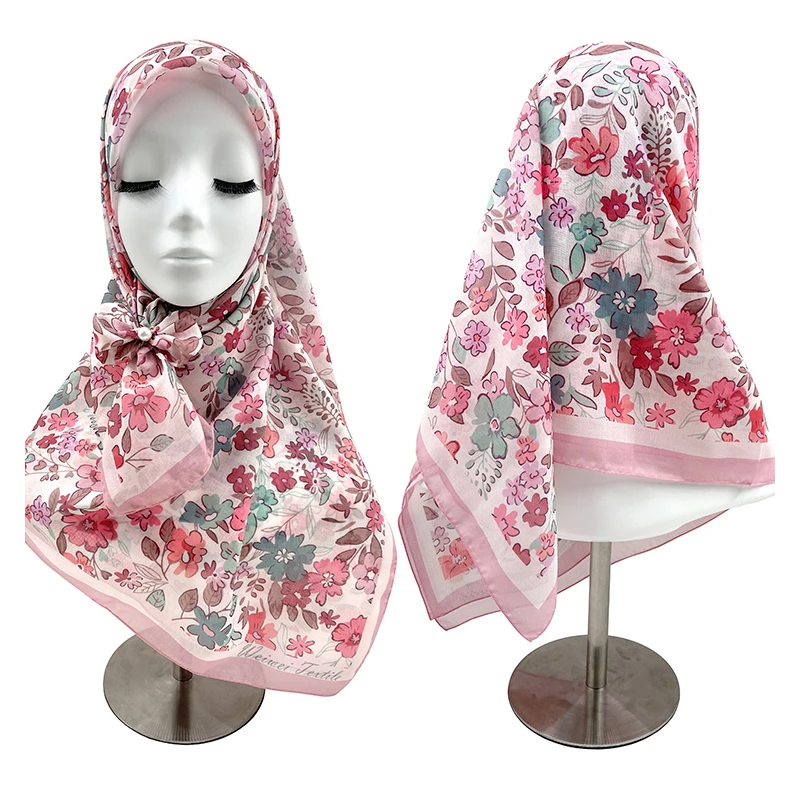
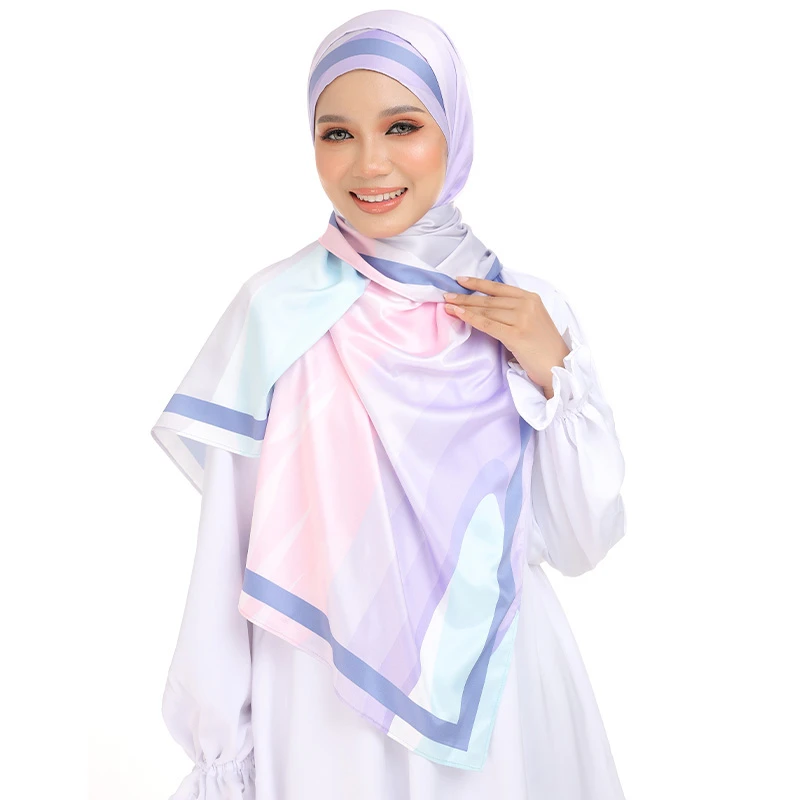
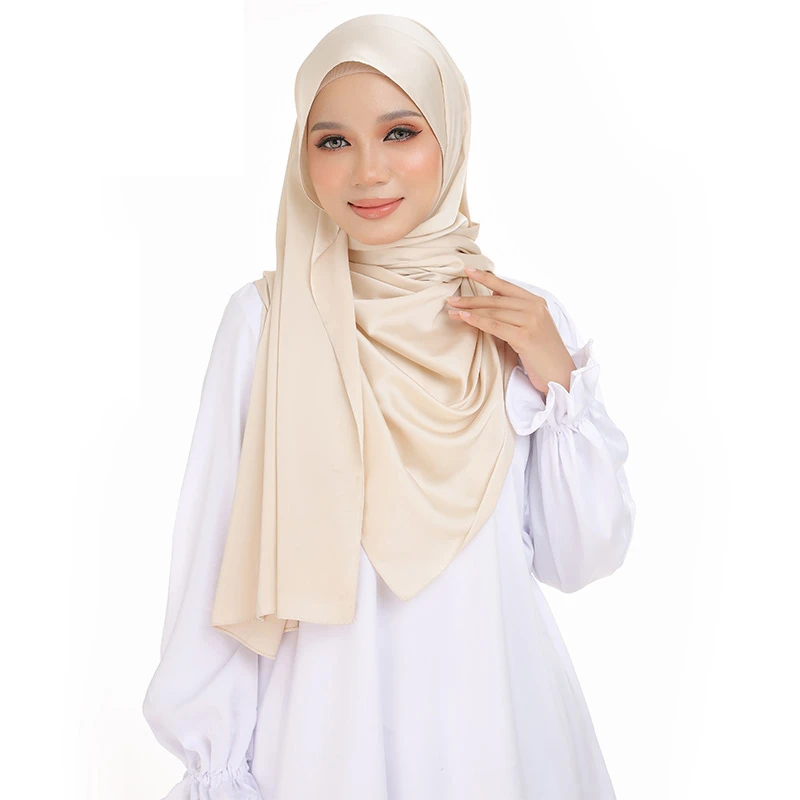
Simply put, a long head scarf is an extended length of fabric designed to be wrapped or tied around the head and sometimes neck, providing coverage and style. Length varies but typically exceeds 70 inches, allowing versatile wrapping techniques.
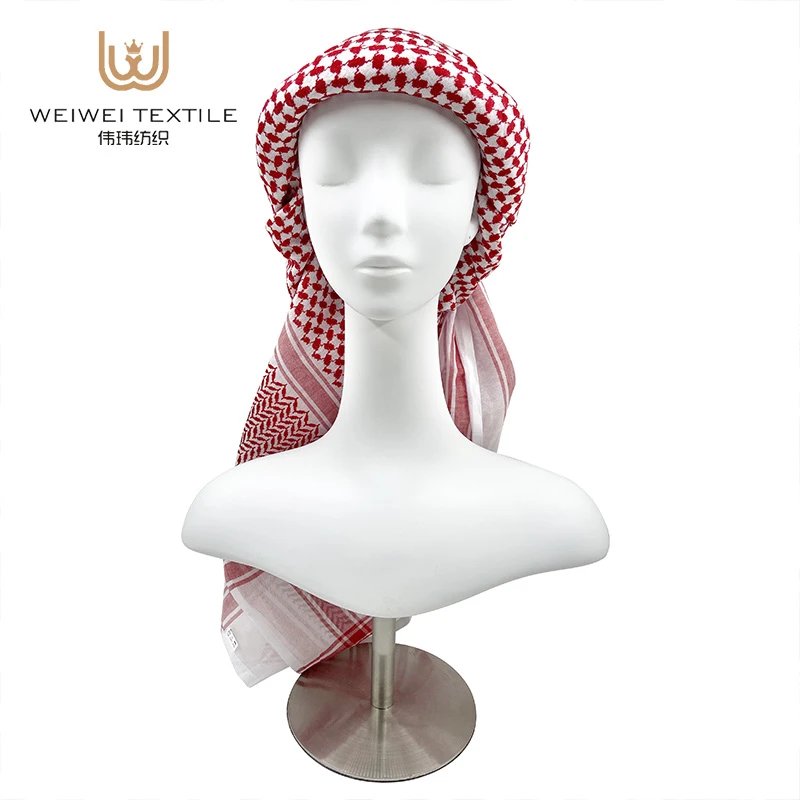
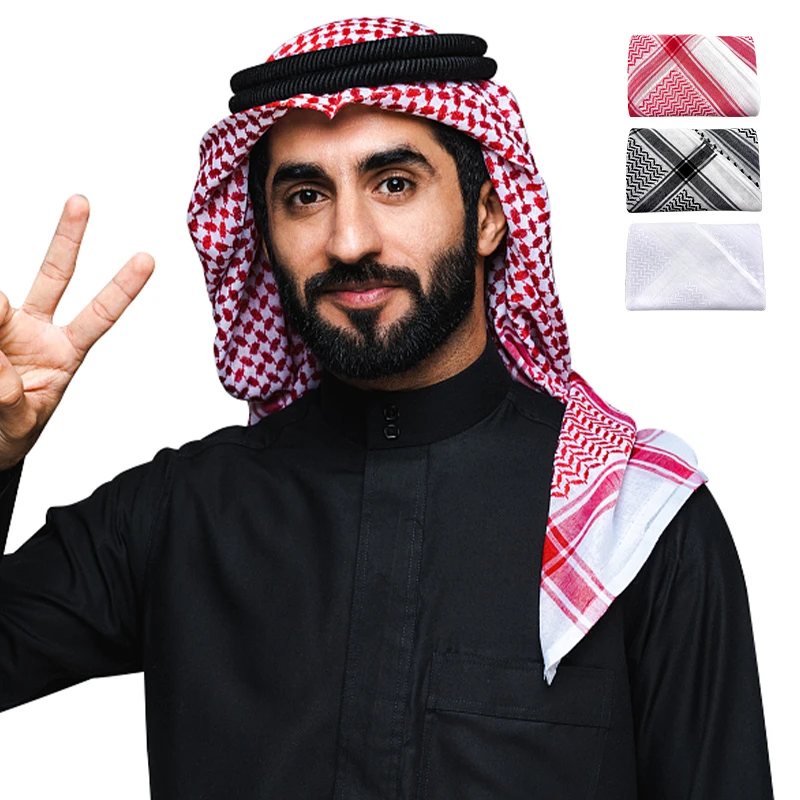
While the long head scarf is rooted in tradition — think Middle Eastern keffiyehs or South Asian dupattas — it has found a place in modern-day life outside cultural contexts too. For humanitarian needs, lightweight, breathable, moisture-wicking scarves protect workers and displaced individuals from harsh conditions, symbolizing resilience and adaptation.
Core Purposes:
- Protection: From sun, dust, wind, or cold.
- Fashion: Personal expression and cultural identity.
- Functionality: Used in industrial or humanitarian settings.
- Symbolism: Often related to faith, social standing, or group identity.
Mini summary: A long head scarf is not just fabric; it’s a practical and symbolic item bridging tradition with modern needs.
Key Factors in Long Head Scarf Design and Use
1. Material Quality & Breathability
The type of fabric matters enormously — cotton blends, silk, viscose, and recently, eco-friendly recycled materials dominate the market. Breathability is key, especially since many users wear scarves all day under intense conditions.
2. Durability and Maintenance
Scarf durability affects consumer satisfaction and long-term value. Many scarves undergo rigorous washing and sunlight exposure, so fade resistance and shape retention are highly valued — especially in humanitarian aid where replacements aren’t always easy.
3. Versatility & Length
Long scarves offer multiple ways of draping: turban styles, full-face cover, or neat neck wraps. Typically, lengths range from 70 to 90 inches, providing enough fabric to adapt to different needs.
4. Cultural Sensitivity & Design
Patterns and construction must respect cultural contexts, with variations reflecting local tastes or religious laws. This sparks a balancing act between global production and local acceptance.
5. Sustainability
Increasingly, manufacturers are pushing biodegradable fibers and low-impact dyes, making the long head scarf a candidate for sustainable fashion trends.
| Specification | Typical Range/Value | Notes |
|---|---|---|
| Length | 70 - 90 inches | Allows versatile tying styles |
| Material | Cotton, Silk, Viscose, Recycled fibers | Dependent on use-case |
| Weight | 50 - 110 g | Lightweight for breathability |
| Care | Machine wash or hand wash, low temps | Maintains durability and color |
| Eco Certifications | OEKO-TEX, GOTS | Growing trend among producers |
Mini summary: A high-quality long head scarf balances material tech, durability, and cultural design — often with an eye on sustainability.
Global Applications & Use Cases of the Long Head Scarf
The long head scarf finds itself deployed in surprisingly diverse scenarios beyond just fashion:
- In humanitarian aid: Refugees and field workers use long scarves for protection against harsh climates and dust storms, often distributed by NGOs in crisis zones.
- In industrial zones: Long scarves protect workers in mining or outdoor construction sites from sun exposure or airborne particles.
- Cultural festivities & religious events: Communities worldwide rely on specific scarf styles to express identity and solidarity.
- Fashion industry: Designers incorporate long scarves as versatile accessories, supporting artisan industries in countries like India, Turkey, and Morocco.
In post-disaster relief operations — for example, those run by the Red Cross — long head scarves packaged with survival kits have helped workers swiftly cover faces against debris and dust, highlighting their practical importance.
Mini summary: Beyond tradition, long head scarves serve vital roles in safety, identity, and industry on a global scale.
Why Invest in a Long Head Scarf: Benefits That Last
There’s a reason these scarves continue to thrive and evolve. Their benefits span economic, social, and environmental dimensions.
- Cost-effective protection: Affordable and multifunctional, many users appreciate the dual value.
- Promotes sustainability: Natural and recycled materials reduce environmental footprints.
- Facilitates cultural respect & empowerment: Wearing scarves often reinforces social bonds and identity.
- Reliability in harsh conditions: Scarf users report enhanced comfort and safety outdoors.
Many say the emotional impact is just as important — feeling covered, respected, or connected to tradition can’t be underestimated. These scarves quietly build trust between brands, wearers, and the cultures they represent.
Emerging Trends: What’s Next for Long Head Scarves?
Here’s where things get interesting. Innovations like smart textiles — fabrics embedded with UV sensors or moisture management tech — are creeping into scarf production. Digital printing is allowing more personalized patterns that respect cultural signifiers while appealing to younger customers.
More manufacturers are adopting greener processes aligned with ISO 14001 environmental management standards. In some places, automation is reducing costs, making high-quality scarves accessible globally. The industry also watches with interest as blockchain could verify the eco-origin and authenticity of premium scarves in the next few years.
Common Challenges and How Industry Tackles Them
No product is without its quirks. Traditional manufacturing can struggle to modernize quickly, and supply chain delays affect distribution — especially for custom or artisan scarves. Cultural missteps in design risk offending local users — a sensitive matter that requires consultation and care.
Some pioneers address these hurdles by implementing:
- Collaborative design workshops with local communities
- Investments in faster, cleaner production methods
- Innovative logistics partnerships to speed up global shipments
It feels like a constant balancing act — upholding tradition while innovating respectfully and sustainably.
How Do You Pick the Right Long Head Scarf Supplier?
| Vendor | Specialty | Certifications | Lead Time | Typical MOQ |
|---|---|---|---|---|
| SilkRoad Textiles | Handwoven, luxury scarves | GOTS, Fair Trade | 4–6 weeks | 500 pieces |
| EcoFab Supplies | Recycled fiber scarves, eco-dye | OEKO-TEX | 2–3 weeks | 1000 pieces |
| GlobalWear Co. | Mass-produced, customizable patterns | ISO 9001 | 1–2 weeks | 2000 pieces |
FAQ: Your Questions About Long Head Scarves, Answered
Q1: What’s the best material for a long head scarf in hot, dusty environments?
A: Lightweight cotton blends or breathable viscose fabrics work best in arid climates. They wick sweat while offering sun protection and are easy to wash regularly.
Q2: Can long head scarves be customized for branding?
A: Absolutely! Many suppliers offer digital printing and embroidery services to add logos or special patterns, popular among event organizers and corporate gifting.
Q3: How long do these scarves typically last with frequent use?
A: With proper care — gentle washing and avoiding harsh chemicals — good quality scarves can last several years, maintaining both look and function.
Q4: Are eco-friendly long scarves more expensive?
A: Initially, yes. Sustainable fabrics and certifications add cost, but they often deliver better durability and save money long-term, plus offer marketing advantages.
Q5: Where can I find authentic long head scarves online?
A: There are specialty retailers and artisan retailers focusing on cultural authenticity — but for a broad selection, check out long head scarf suppliers online for curated collections.
In Conclusion: Why the Long Head Scarf Will Keep Winding Through Our Lives
It’s striking to see how such a seemingly simple item — a long piece of fabric — threads so deeply into identities, economies, and lifestyles worldwide. For those who wear them and those who produce them, long head scarves blend tradition with innovation, protection with expression, and sustainability with social ties.
If you’re curious to explore designs or place an order, especially with the rise of eco-conscious and culturally respectful scarves, I’d recommend visiting long head scarf collections online. It’s a small but powerful gesture toward embracing a global heritage and future.
Thanks for tagging along through this fabric journey!
References
- UNESCO Textile & Craft Industries Report, 2020
- World Bank: Global Apparel & Textiles Employment Data, 2023
- OEKO-TEX Association Official Website
-
Xinji Weiwei Textile Factory to Exhibit at the 139th Canton Fair
NewsApr.15,2026
-
Abaya Robe: Tradition, Elegance, and Daily Cultural Expression
NewsApr.15,2026
-
Satin Scarves and Hijabs: A Reflection of Tradition, Elegance, and Daily Practice
NewsApr.15,2026
-
Chiffon Scarf Hijab: A Blend of Tradition, Style, and Everyday Practice
NewsApr.15,2026
-
Exploring Hijab Fashion in Malaysia: Tradition, Style, and Daily Cultural Practice
NewsApr.15,2026
-
The Cultural Significance and Style of Voile Scarves and Shawls in Daily Muslim Wear
NewsApr.15,2026