Nov . 27, 2025 21:30 Back to list
Discover the Versatility of the Long Thin Scarf – Style, Utility & Innovation
The Long Thin Scarf: More Than Just an Accessory
At first glance, a long thin scarf might seem like just a simple clothing item—a bit of flair to spice up your outfit or keep a neck warm during chilly evenings. But if you pause and look a bit closer, this modest textile marvel actually holds a surprising amount of significance worldwide. From its role in fashion to humanitarian and industrial applications, understanding what makes the long thin scarf unique unlocks a fascinating story about utility, culture, and innovation.
Why The World Cares About The Long Thin Scarf
Long thin scarves aren’t just found draped elegantly across Paris runways or crowded marketplaces in Istanbul—they’re woven into the global fabric of culture and commerce, quite literally. According to the International Textile Manufacturers Federation (ITMF), the global demand for lightweight, versatile textile accessories has grown approximately 12% annually over the past five years. This trend isn’t just aesthetic; it touches issues of climate adaptation, industry standards, and social identity.
Yet, the challenge remains: how to produce durable, affordable, and sustainable long thin scarves that suit both everyday wear and specialized needs—like signaling in industrial work, or added warmth in remote humanitarian zones?
What Exactly Is a Long Thin Scarf?
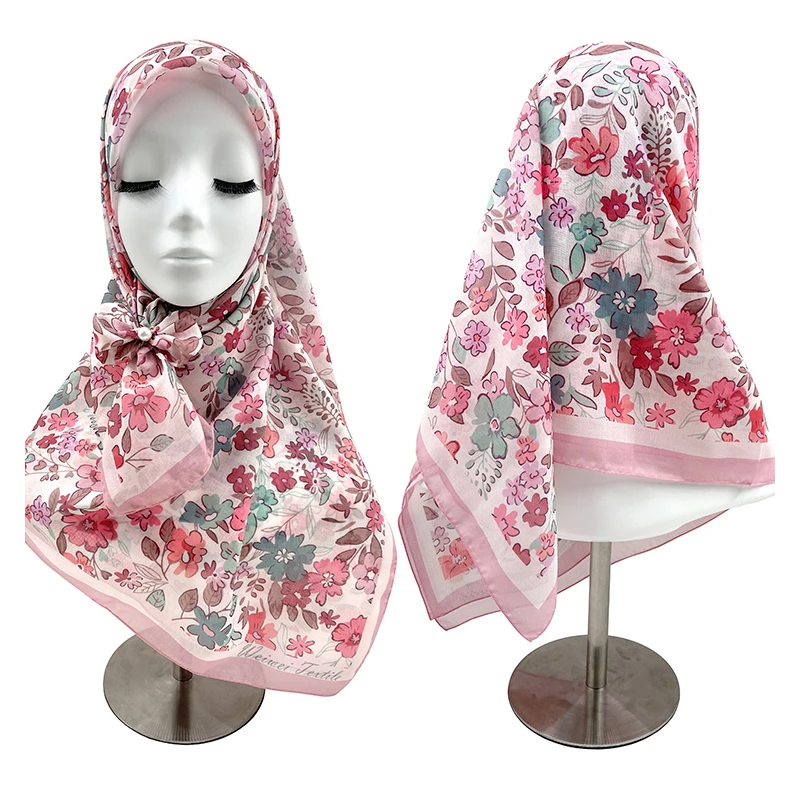
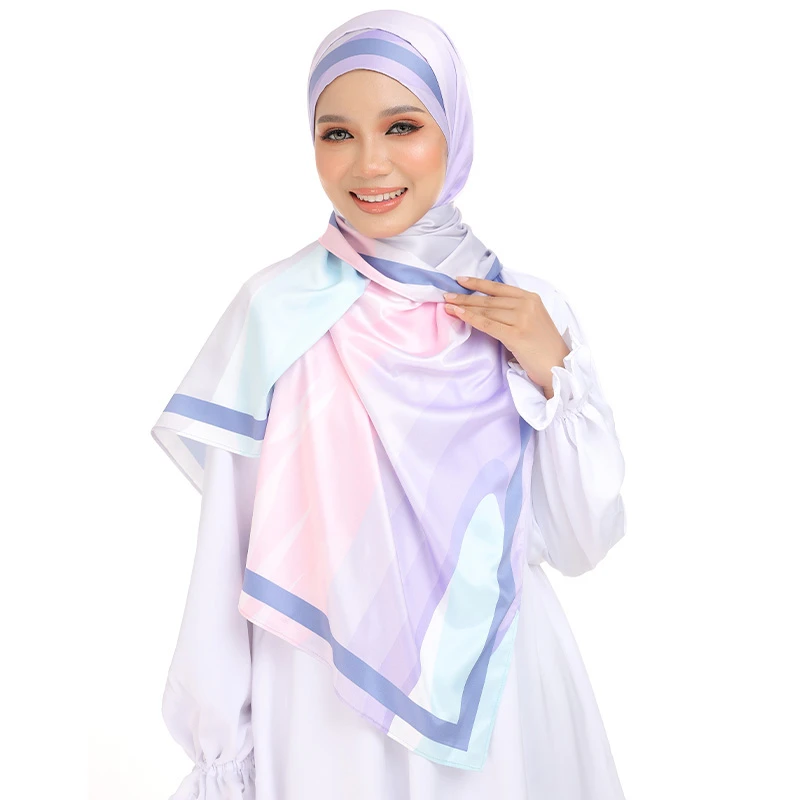
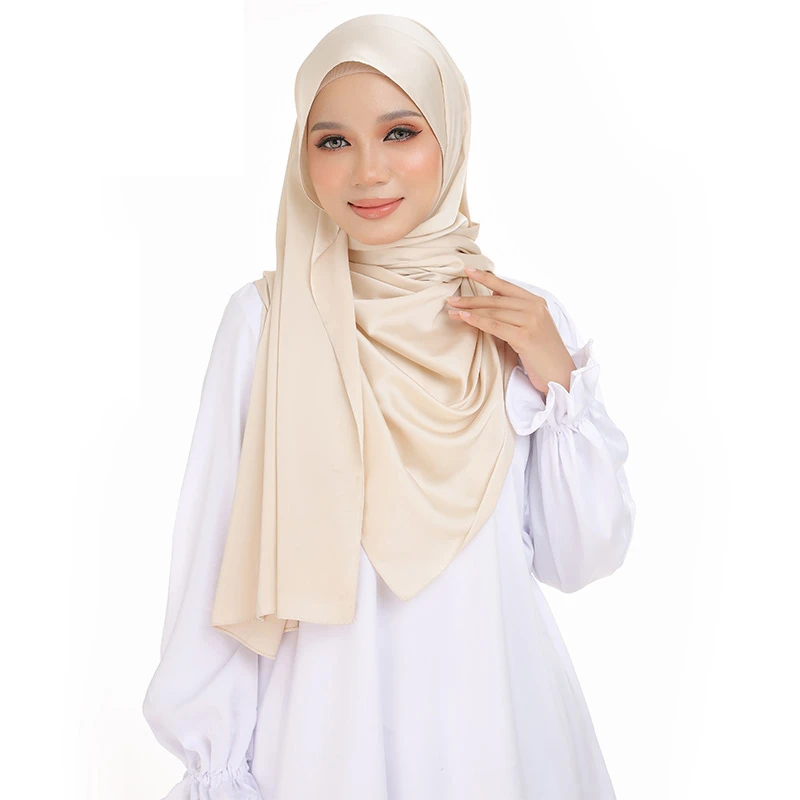
Simply put, a long thin scarf is a narrow, elongated strip of fabric typically designed for wrapping loosely around the neck or shoulders. Unlike chunky winter scarves or wide shawls, its slim profile allows for versatility, layering, and easy packing. While mostly crafted from cotton, silk, or synthetic blends, its characteristics have expanded — think moisture-wicking or UV-protection infused materials.
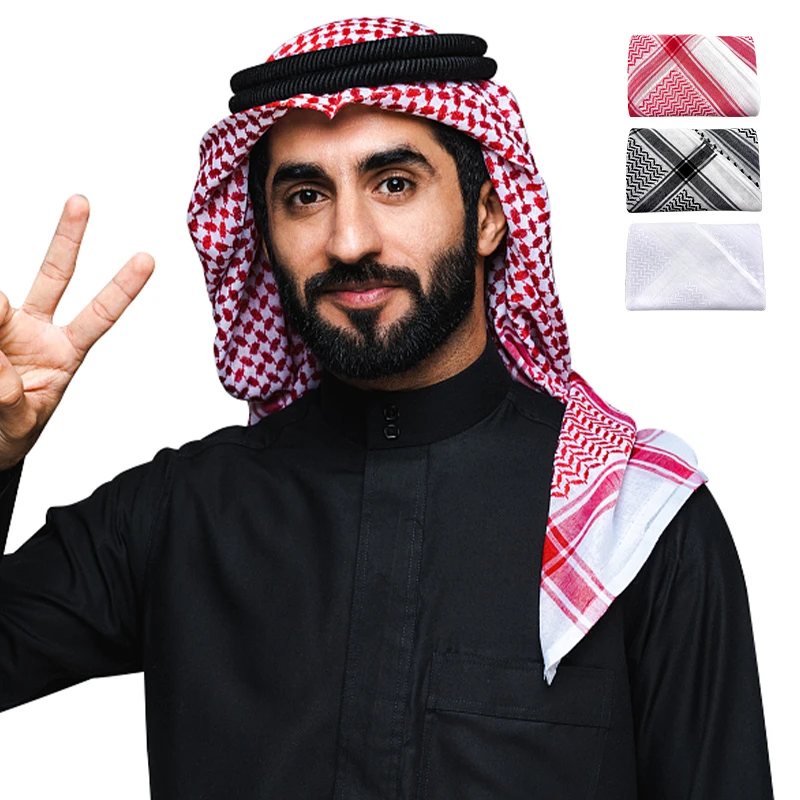
Beyond fashion, its utility shines in fields like industrial safety (high visibility material), disaster relief (compact warmth), and even in ceremonial or cultural arenas, where specific colors or styles symbolize identity and tradition.
Key Characteristics & Practical Factors
Material Durability
Since the typical scarf must endure both wear and wash cycles, materials like merino wool blends or engineered polyester are getting more popular. Durability links directly to lifespan and sustainability goals—nobody wants a scarf that falls apart after a single season if it’s meant to have a broader practical role.
Lightweight & Packability
One of the great things about long thin scarves is their portability. For travelers or aid workers in harsh environments, something light but protective makes all the difference.
Design & Adaptability
Design can be more than aesthetic. Reflective threads for night workers, breathable fabrics for tropical climates, or even easily sanitized materials for medical workers — these tweaks transform accessories into vital tools.
Cost Efficiency
Mass-produced scarves must strike a balance between quality and affordability. Organizations sourcing scarves in bulk (for uniforms or giveaways) carefully weigh cost without sacrificing durability.
A Quick Specification Snapshot:
| Specification | Typical Range | Notes |
|---|---|---|
| Length | 150–200 cm | Varies by style & purpose |
| Width | 10–20 cm | Slim compared to traditional scarves |
| Material | Cotton, silk, polyester blends | High-tech fibers emerging |
| Weight | 30-70 grams | Lightweight for easy transport |
| Care | Hand or machine wash | Depends on material |
Mini takeaway: The humble long thin scarf combines specific dimensional and material traits that cater both to fashionistas and industrial workers alike. It’s truly a study in adaptability.
Global Applications & Use Cases
Oddly enough, you find these scarves woven into daily life everywhere from the snowy streets of Montreal to the dry savannahs of Kenya. Humanitarian organizations include them in aid kits because they pack light and help people maintain dignity and warmth. Industrial workers use high-visibility long thin scarves as part of their safety gear. Fashion designers experiment with layering these scarves for unique seasonal collections.
For instance, in post-disaster relief operations in Southeast Asia, aid workers distribute polyester-based long thin scarves with antimicrobial properties, allowing survivors some comfort and protection without added bulk. In remote industrial zones, reflective, durable scarves help night-shift workers remain visible and warm, cutting down on accidents.
Vendor Comparison: Popular Long Thin Scarf Suppliers
| Vendor | Material Options | Price Range (per unit) | Customization | Lead Time |
|---|---|---|---|---|
| WeaveWorld Textiles | Cotton, silk, bamboo blends | $5–$15 | Color & pattern | 3–4 weeks |
| SafetyWrap Co. | Polyester with reflective fibers | $7–$12 | Logo & safety print | 2–3 weeks |
| EcoWrap Ltd. | Organic cotton & hemp | $10–$20 | Custom dyes & prints | 4–6 weeks |
Mini takeaway: There's a wide range of suppliers catering to different needs—whether you want eco-friendly or ultra-safe scarves, price and lead times vary accordingly.
Advantages & Long-Term Value of the Long Thin Scarf
Frankly, the long thin scarf’s value goes beyond its dimensions. Its low material footprint makes it a sustainable choice when produced thoughtfully. When designed for durability, it naturally reduces textile waste. It combines emotional appeal—providing warmth, protection, and style—with practical benefits, such as safety and cultural resonance.
Imagine a day in a cold city where a long thin scarf feels like a small armor against wind, or for a factory worker where a reflective variant boosts confidence in risky environments. The scarf becomes a silent partner in wellbeing.
Emerging Trends & Innovations
The textile world is buzzing about several innovations that influence the long thin scarf category:
- Smart Textiles: Nano-fibers that can regulate temperature or monitor health signals.
- Eco-conscious Materials: Increased use of recycled fibers and natural dyes per ISO standards.
- Digital Customization: On-demand printing enabling micro-batches tailored to communities or companies.
These advances clue us into a linked future where scarves might do much more than wrap around necks—they could protect, connect, and even communicate.
Challenges & Solutions in the Long Thin Scarf Industry
Not everything is rosy, though. Issues like inconsistent quality, supply chain delays, and balancing cost with sustainability create tensions. Some manufacturers face difficulties sourcing eco-materials affordably. Then there’s the challenge of convincing customers that investing a bit more upfront pays off long term.
Solutions? Closer vendor partnerships, transparent sourcing, and educating end-users about lifecycle value help bridge those gaps. Also, collaborations across industries spur innovation, such as textile firms working with humanitarian NGOs to tailor products that meet specific needs.
FAQs: Your Top Questions About Long Thin Scarves
Q1: What materials are best for a long thin scarf in hot climates?
A1: Natural fibers like cotton and bamboo are ideal because they’re breathable and moisture-wicking. Lightweight polyester blends with UV protection are a smart choice as well, offering durability without excessive heat retention.
Q2: Can a long thin scarf be used safely in industrial environments?
A2: Absolutely—especially those designed with high-visibility reflective threads or made from flame-resistant materials. SafetyWrap Co., for example, produces scarves meeting ANSI safety standards for night-shift workers.
Q3: How do I care for a silk long thin scarf to maintain its lifespan?
A3: Hand washing in cool water with gentle detergent, avoiding wringing or machine drying, is best for silk. Always air-dry flat and store away from direct sunlight to preserve colors and fibers.
Q4: Is sourcing eco-friendly scarves always more expensive?
A4: Initially, yes. Organic or recycled materials tend to cost more due to sourcing and processing. However, many find that the durability and positive impact outweigh upfront costs, making them cost-effective in the long run.
Mini takeaway: Whether your question is about materials, safety, or sustainability, there’s a solution. Just ask and source wisely.
Wrapping Up: Why a Long Thin Scarf Makes Sense For Tomorrow
In the end, the long thin scarf is much more than a slim textile strip. It represents centuries of cultural history, practical innovation, and a surprisingly broad application spectrum. Its adaptability makes it a staple in fashion and industry alike, while ongoing advancements hint at an even smarter, greener future.
So next time you pick up a long thin scarf, think of the global threads it connects—from artisan looms to industrial sites, from remote villages to vibrant city streets. Thoughtfully chosen, it’s a small investment that keeps on giving.
If you’re curious to explore a wide selection or custom options for your needs, visit our website at https://www.hbweiweitex.com — we’d love to help you pick your perfect long thin scarf.
References
-
Xinji Weiwei Textile Factory to Exhibit at the 139th Canton Fair
NewsApr.15,2026
-
Abaya Robe: Tradition, Elegance, and Daily Cultural Expression
NewsApr.15,2026
-
Satin Scarves and Hijabs: A Reflection of Tradition, Elegance, and Daily Practice
NewsApr.15,2026
-
Chiffon Scarf Hijab: A Blend of Tradition, Style, and Everyday Practice
NewsApr.15,2026
-
Exploring Hijab Fashion in Malaysia: Tradition, Style, and Daily Cultural Practice
NewsApr.15,2026
-
The Cultural Significance and Style of Voile Scarves and Shawls in Daily Muslim Wear
NewsApr.15,2026