Nov . 28, 2025 18:10 Back to list
Men's Scarf Buying Guide – Style, Function & Sustainability Tips
Understanding the Men's Scarf: More Than Just a Fashion Accessory
At first glance, a men's scarf may seem like a simple winter staple or a sleek fashion statement. But dig a little deeper, and you'll find it's a versatile, culturally rich, and increasingly functional item with global relevance. Today, the men's scarf transcends mere aesthetics — it’s wrapped up in stories of identity, utility, and even humanitarian aid. With globalization knitting diverse cultures closer, and climate unpredictability redefining what we wear, understanding the men's scarf holds surprising significance worldwide.
So why does this humble garment matter globally? Because it's not just about style: scarves provide warmth, protect against dust or pollution, and often symbolize cultural heritage or solidarity. From urban streets in Milan to refugee camps in the Middle East, the men's scarf weaves itself into practical and symbolic layers of life.
Mini takeaway: The men's scarf operates at the intersection of fashion, function, and cultural identity — a simple item with many important roles.
The Worldwide Pulse on Men’s Scarves: Context and Challenges
Globally, men’s scarves sit comfortably across a spectrum of climates and cultures. According to a 2022 report from the Textile Exchange, the global apparel and textile market is growing annually by 3-4%, with accessories—scarves included—seeing increased demand especially in colder regions and urban centers.
But there's a challenge: producing scarves sustainably with quality materials while keeping them affordable. The fashion industry accounts for nearly 10% of global carbon emissions (UN Environment Programme), and scarves, often made with synthetic fibers, can add to this footprint. Rising demand for eco-friendly, durable scarves, especially for outdoor enthusiasts and humanitarian groups working in harsh climates, highlights a need for innovation in textiles and production.
Considering these factors, the men’s scarf market juggles fashion, functionality, and sustainability under one roof — not an easy balancing act.
Mini takeaway: The men’s scarf market is growing but faces sustainability and affordability challenges amidst rising demand worldwide.
What Exactly Is a Men’s Scarf?
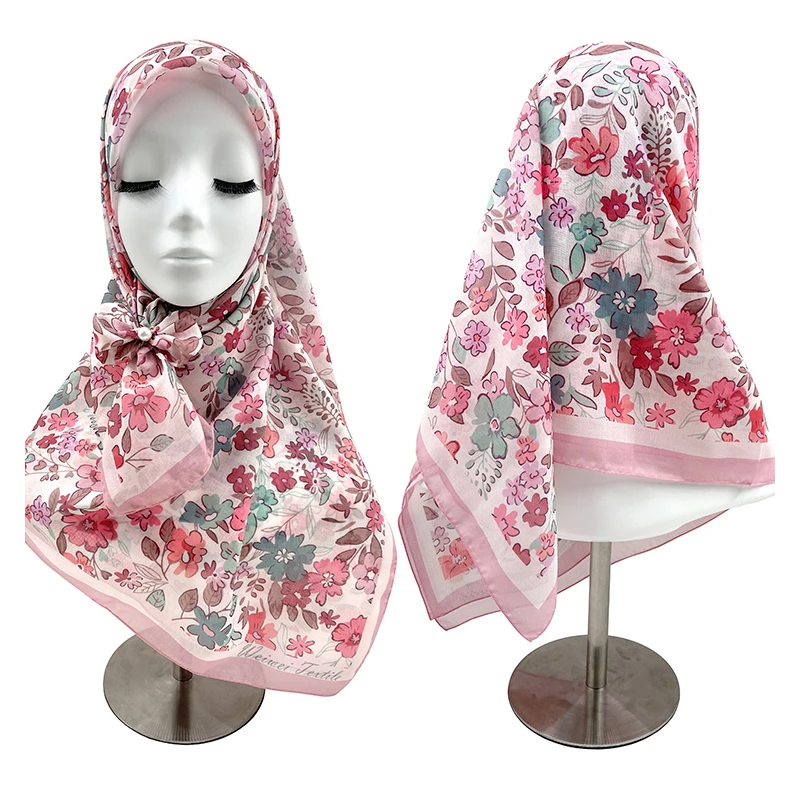
A men's scarf is a length of fabric worn loosely around the neck or head, primarily for warmth, protection, or style. Materials range from wool, cotton, and silk to modern synthetics like polyester and recycled fibers. Colors and weaving techniques vary greatly depending on cultural traditions or fashion trends.
More than its basic form, the men’s scarf often plays vital roles: military and humanitarian workers use them for dust protection; hikers use highly technical scarves to regulate temperature; and many cultures have scarf patterns reflecting history or social status.
In industries and aid agencies, scarves sometimes serve practical safety purposes, such as leading eye protection from blowing sands or sun shielding during outdoor operations.
Mini takeaway: A men’s scarf is a multi-functional garment bridging warmth, protection, fashion, and culture.
Core Components of a Quality Men’s Scarf
1. Material
Material choices are the lifeblood of scarf quality. Wool remains king for warmth, especially Merino or cashmere varieties, prized for softness and insulation. On the other hand, cotton is lightweight, breathable, and hypoallergenic, excellent for mild climates. Synthetics or blends can enhance durability and offer water or wrinkle resistance.
2. Durability & Maintenance
How well a scarf holds up over time matters, especially in active or harsh environments. Easy-care scarves that endure daily wear or cleaning without losing shape or softness get top marks among users — engineers and outdoorsmen alike swear by these traits.
3. Size & Fit
While scarves may seem one-size-fits-all, length and width determine comfort and versatility. Longer scarves can be styled multiple ways; shorter ones offer neat, corporate appeal. The men’s scarf needs to work as a functional shield and, frankly, not drag on your shoes.
4. Style & Design Impact
Design combines tradition with trend. Plaids, stripes, minimal solids—each style tells a story or sets a mood. Some scarves incorporate reversible designs or subtle branding for added versatility. It's part fashion, part personality.
5. Sustainability
More buyers demand eco-conscious manufacturing. Scarves made from recycled fibers, organic cotton, or produced via low-impact dyes reduce environmental harm and appeal to conscious consumers.
Mini takeaway: Material quality, durability, size, design, and sustainability form the backbone of a great men's scarf.
Men’s Scarves Across the Globe: Real-World Applications
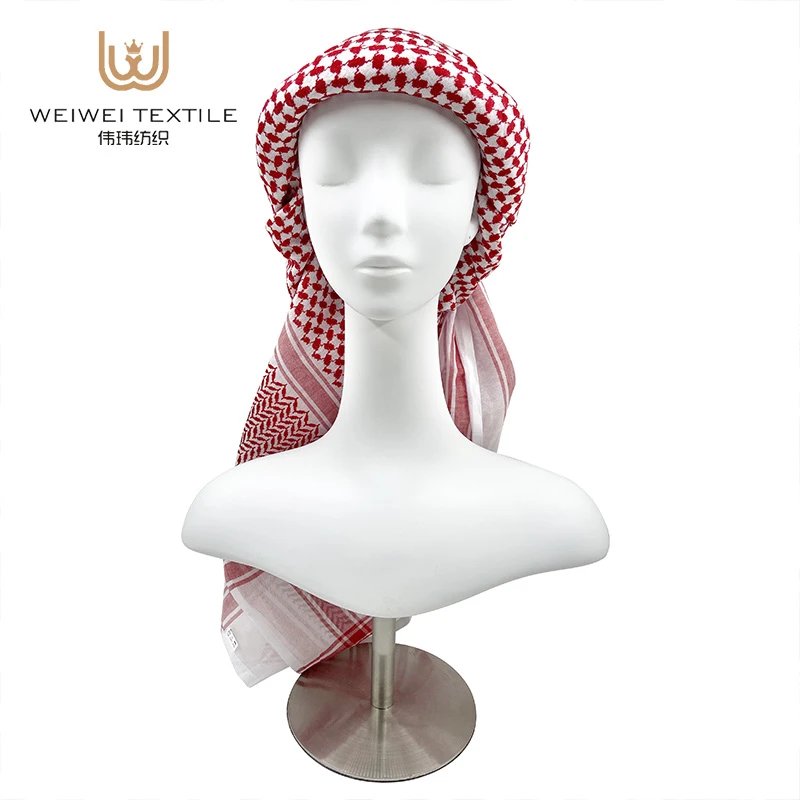
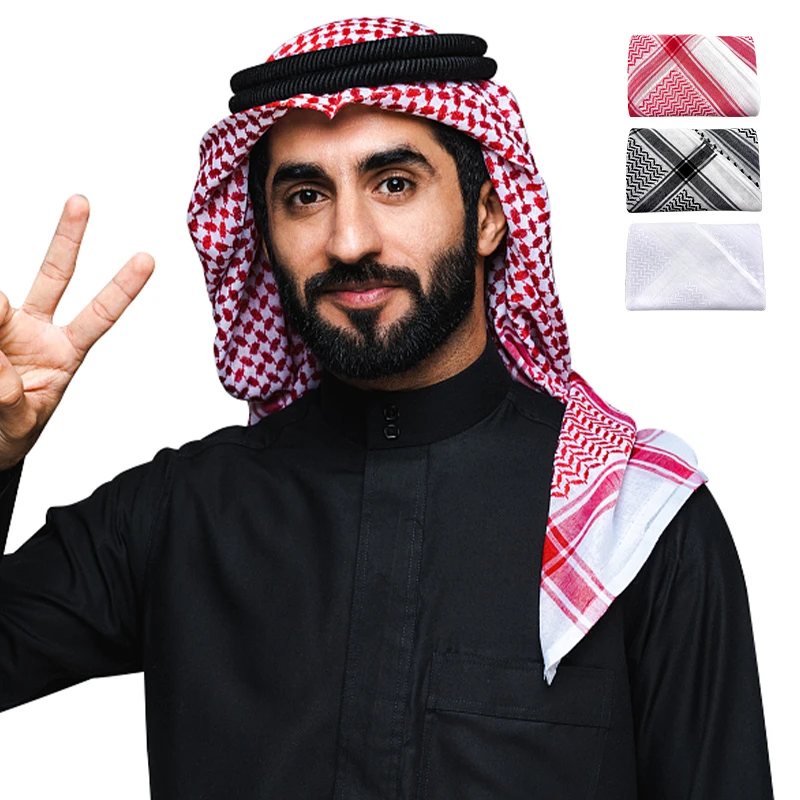
In colder regions such as Scandinavia, men’s scarves are obviously vital for warmth during long winters. But in places like the Middle East or Sahara, scarves become protection against blowing sand or sun exposure. In these areas, scarves often double as head wraps or face covers — a clever multi-use garment.
Industrial workers in dusty mining towns or construction sites often use high-tech scarves with moisture-wicking and antimicrobial properties. Humanitarian organizations, especially in refugee relief zones, distribute scarves both for protection and dignity, since scarves often symbolize cultural identity.
Fashion brands from Paris to Tokyo merge these functional needs with lifestyle appeal, offering scarves that switch effortlessly from outdoor gear to downtown style statements. This versatility is what fascinates designers and consumers alike.
| Specification | Description |
|---|---|
| Material | Merino Wool, Cotton, Cashmere, Polyester Blends, Recycled Fibers |
| Length | Between 60 to 78 inches (150-200 cm) |
| Width | 6 to 14 inches (15-35 cm) |
| Weight | Lightweight to midweight (50-150 grams) |
| Care | Machine washable (some), Hand wash recommended for luxury fibers |
Mini takeaway: Across continents and climates, scarves adapt cleverly to cultural, environmental, and practical needs.
Why Investing in a Quality Men's Scarf Pays Off
Think of a fine scarf as a long-term companion. It shields you not only from the cold but from the gritty realities of wind, dust, and sun — sometimes when other gear falls short. A good-quality men's scarf usually pays for itself by lasting seasons, maintaining appearance, and keeping you comfortable.
Socially, scarves can communicate status or values: eco-friendly production appeals to conscientious consumers; traditional patterns connect wearers to heritage or roots. Emotionally, wrapping a warm scarf around your neck conveys comfort, security — like being swaddled gently (even if you’re off hiking a wind-blown ridge).
In business, scarves project professionalism and style without being over the top, making them favorite accessories for men seeking easy elegance.
Mini takeaway: The right men’s scarf combines durability, style, and emotional resonance, making it an invaluable wardrobe piece.
Emerging Trends & Innovations in Men’s Scarves
Looking ahead, the world of men’s scarves is embracing smart textiles and sustainability like never before. Brands are experimenting with:
- Biodegradable fibers: Scarves crafted from algae, hemp, or bamboo that break down harmlessly after use.
- Moisture-wicking smart fabrics: Enhanced breathability and odor control for sports and travel.
- UV protection coatings: Increasingly important in sunny regions and for outdoor workers.
- Digital customization: Ordering scarves with custom prints or embedded NFC tags for brand storytelling.
Policy-wise, textile standards like ISO 14001 push manufacturers toward greener production with lower water and energy footprints.
Mini takeaway: Innovative fibers and smart tech promise to make the men’s scarf more functional, sustainable, and personal in coming years.
Common Challenges and How They're Tackled
Despite all these advances, some issues linger. Mass-produced scarves may neglect individualized needs — those harsh winds, allergies, or cultural sensitivities. Synthetic fibers sometimes sacrifice breathability for durability. Pricing can put luxury scarves out of reach for many.
But solutions emerge: modular scarves with removable layers address climate adaptability; eco-conscious startups offer affordable recycled fabric scarves; and community-driven brands revive local weaving traditions bringing artisan scarves to broader markets.
Mini takeaway: Adoption of specialization and sustainability helps overcome challenges in scarf production and accessibility.
FAQ: Your Most Asked Questions About Men's Scarves
Q1: How do I choose the right men's scarf material for my climate?
A: Your choice depends on weather and activity. Wool or cashmere excel in cold, dry climates for insulation. Cotton is great for moderate temperatures and breathability. For humid or active use, synthetic blends that wick moisture are ideal.
Q2: Can scarves be sustainably produced without sacrificing quality?
A: Absolutely. Many brands now use recycled fibers, organic cotton, and low-impact dyes to produce scarves that perform well and reduce environmental costs. Certifications like GOTS and OEKO-TEX help guide sustainable choices.
Q3: Are men's scarves customizable for corporate or personal branding?
A: Yes. Many manufacturers offer print customization or embroidery to add logos, patterns, or personalized designs, making scarves great for corporate gifts or personal style statements.
Q4: How do I care for my scarf to ensure it lasts?
A: Care depends on material. Wool and cashmere typically require hand washing or dry cleaning. Cotton and synthetics can often handle machine washing on gentle cycles. Always check the care label to maintain softness and shape.
Q5: Can scarves be protective in dusty or polluted environments?
A: Definitely. Scarves made with tighter weaves or multi-layer designs offer effective protection from dust and pollution, a reason many workers and travelers rely on them daily.
Conclusion: Wrapping Up the Lasting Value of Men’s Scarves
So, what’s the real takeaway here? The men's scarf is more than a fleeting trend or mere accessory — it’s a blend of heritage, comfort, innovation, and even survival. Whether naturally insulating you on a chilly morning, shielding your face on a dusty road, or making a style statement in the city, a good scarf is an investment in warmth, function, and personal expression.
If you’re looking to explore the latest collections or find a mens scarf that combines ethical manufacturing with top-tier quality, take a moment to browse through trusted vendors and brands. Your next scarf might just be your new favorite companion for seasons to come.
Mini takeaway: Men’s scarves remain timeless companions balancing tradition, function, and innovation — well worth having in your closet.
| Vendor | Material Options | Sustainability Features | Price Range |
|---|---|---|---|
| EcoWrap Co. | Organic Cotton, Bamboo | Fair-Trade, Low Water Dyeing | $40 - $75 |
| Tradition Threads | Wool, Cashmere | Local Artisan Craft, Natural Dyes | $80 - $150 |
| Urban Shield Gear | Recycled Polyester, Merino Wool Blend | Oeko-Tex Certified, UV Protection | $50 - $110 |
| Classic Weaves Ltd. | Cotton, Wool, Silk | Traditional Looms, No Synthetic Fibers | $60 - $130 |
References:
-
Xinji Weiwei Textile Factory to Exhibit at the 139th Canton Fair
NewsApr.15,2026
-
Abaya Robe: Tradition, Elegance, and Daily Cultural Expression
NewsApr.15,2026
-
Satin Scarves and Hijabs: A Reflection of Tradition, Elegance, and Daily Practice
NewsApr.15,2026
-
Chiffon Scarf Hijab: A Blend of Tradition, Style, and Everyday Practice
NewsApr.15,2026
-
Exploring Hijab Fashion in Malaysia: Tradition, Style, and Daily Cultural Practice
NewsApr.15,2026
-
The Cultural Significance and Style of Voile Scarves and Shawls in Daily Muslim Wear
NewsApr.15,2026