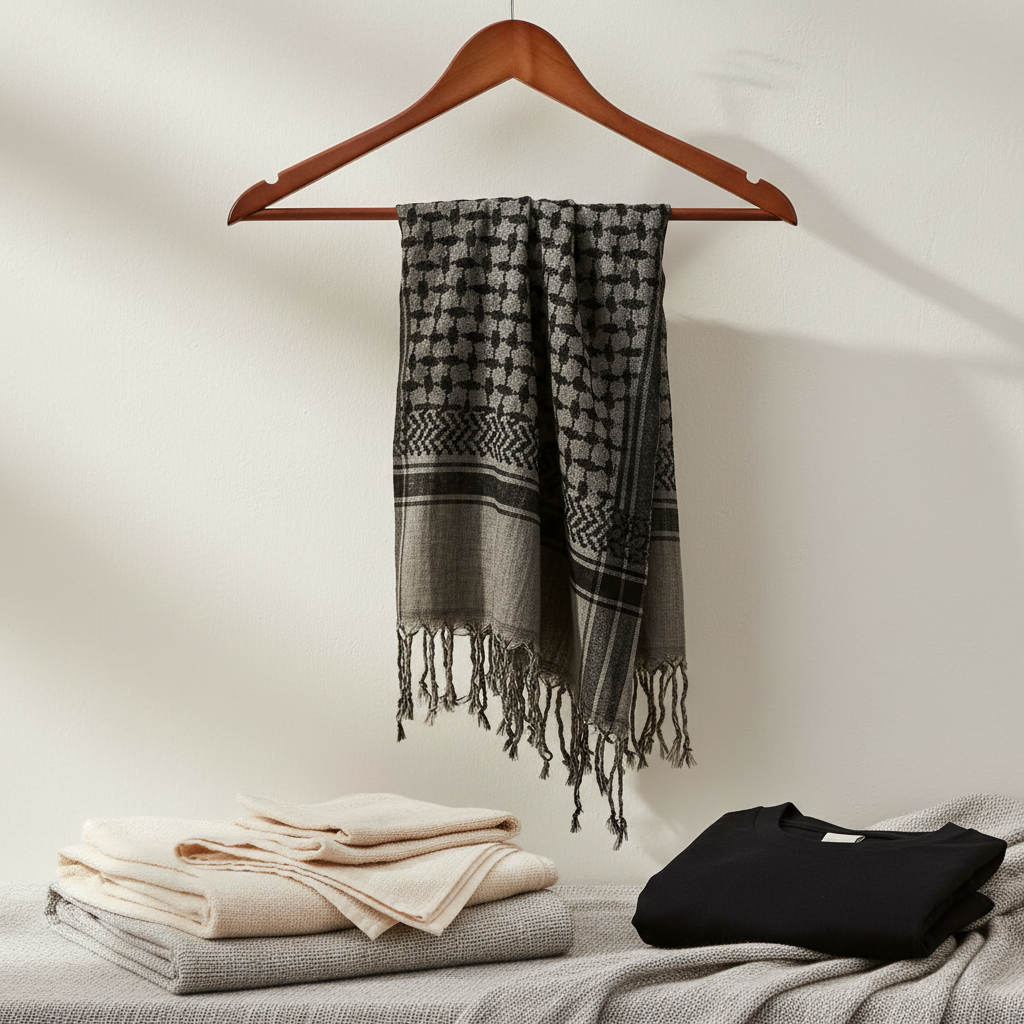
The black keffiyeh stands as more than just a piece of textile; it is a profound intersection of functional design and cultural heritage. In the demanding climates of the Middle East and beyond, this garment provides essential protection against harsh winds and ultraviolet radiation, blending utilitarian necessity with a timeless aesthetic. For the modern consumer, understanding the nuances of its weave and material composition is key to appreciating its enduring global appeal.
From a manufacturing perspective, the production of a high-quality black keffiyeh requires precise control over the cotton spinning and dyeing processes. The deep, saturated black hue must be achieved through high-fixation dyes that resist fading under intense sunlight, while the traditional fishnet pattern must maintain structural integrity through repeated wear and washing. This balance of art and engineering is what separates premium textile products from mass-market imitations.
As global fashion trends shift toward versatile, gender-neutral accessories, the black keffiyeh has transitioned from a regional staple to an international style icon. Whether used for its original protective purposes or as a bold fashion statement, its presence in the textile market reflects a broader demand for authenticity and durability. This guide explores the technical, cultural, and commercial dimensions of this iconic garment.
The Cultural Significance of the Black Keffiyeh
The black keffiyeh is deeply rooted in the identity of the Levant and Arabian Peninsula, serving as a symbol of resilience and heritage. Historically, the black and white patterns were not merely decorative but served to identify tribal affiliations and social status. In the contemporary era, it has evolved into a global symbol of solidarity and cultural pride, crossing borders to be worn by people of diverse backgrounds who value its symbolic weight.
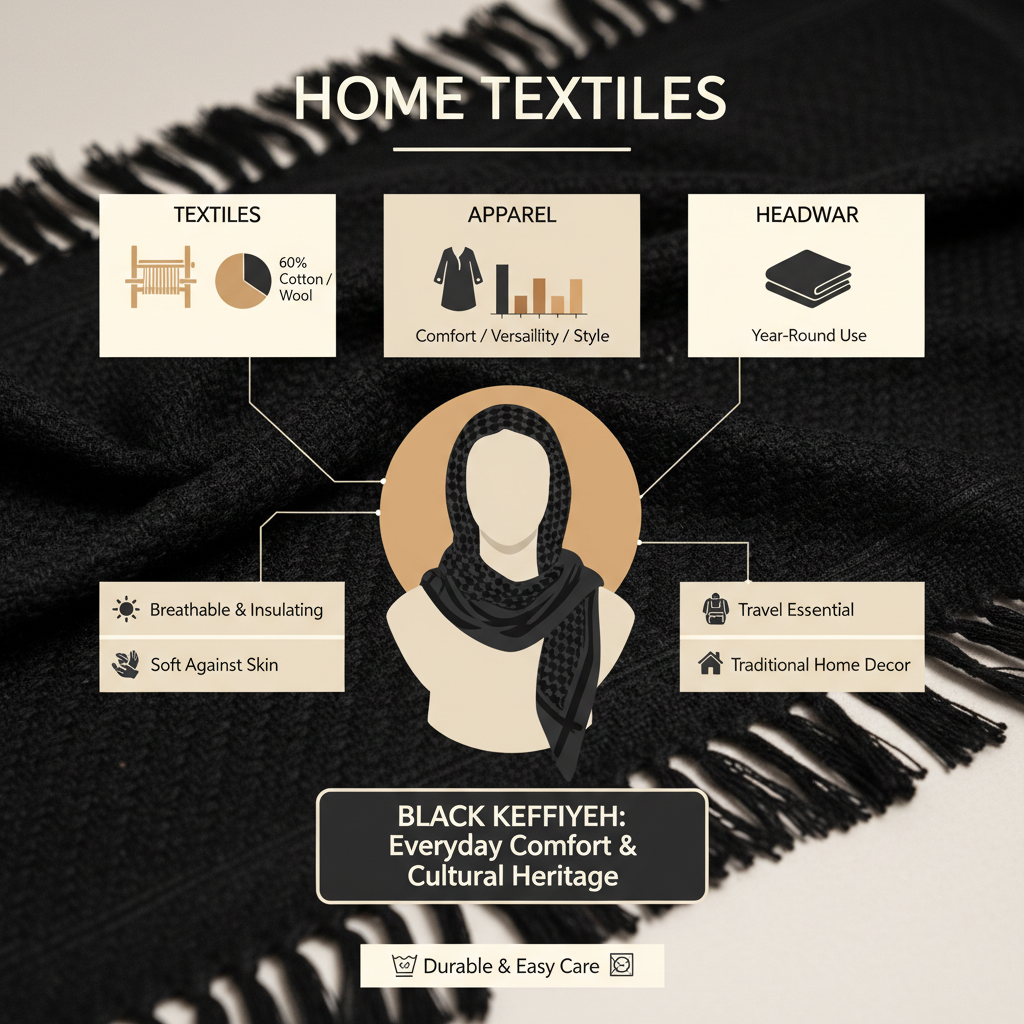
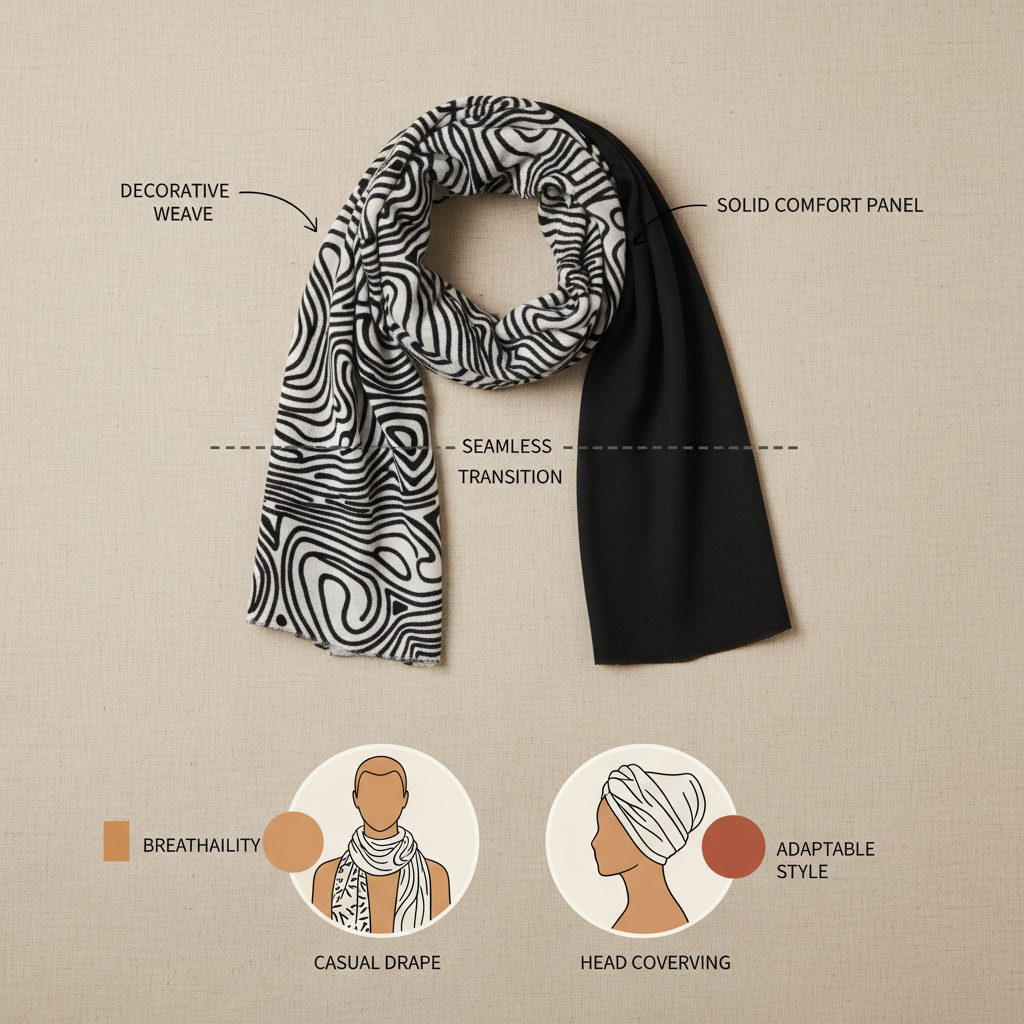
Beyond its symbolism, the garment represents a masterclass in adaptive clothing. The ability to wrap the black keffiyeh in various ways allows the wearer to switch between a loose scarf for ventilation and a tight wrap for protection against sandstorms. This versatility is why it remains a staple in both rural landscapes and urban fashion centers across the globe.
Technical Specifications of Premium Textiles
From a textile engineering standpoint, a high-grade black keffiyeh relies on the quality of the long-staple cotton used in its construction. The yarn must be twisted to a specific TPI (twists per inch) to ensure that the fabric does not pill or fray under the friction of daily wear. This technical precision ensures that the scarf remains soft against the skin while maintaining the tensile strength necessary for heavy-duty outdoor use.
The weaving process for the black keffiyeh involves complex jacquard patterns that create the iconic "fishnet" effect. This structure is not just aesthetic; the open-weave sections allow for maximum airflow, preventing overheating, while the denser areas provide the necessary shield against dust and wind. Achieving a consistent tension across the loom is critical to avoid warping and ensure a perfectly square finish.
Furthermore, the dyeing process for the black colorway is one of the most challenging in the textile industry. To prevent "bleeding" and ensure a deep, midnight black, manufacturers use reactive dyes that form a covalent bond with the cotton fibers. This ensures that the black keffiyeh retains its richness even after exposure to the harsh UV rays of desert environments, meeting international ISO standards for colorfastness.
Material Composition and Breathability
The primary allure of a genuine black keffiyeh lies in its 100% cotton composition. Pure cotton is naturally hypoallergenic and highly absorbent, making it ideal for regulating body temperature in fluctuating climates. By absorbing moisture from the skin and allowing it to evaporate, the fabric provides a natural cooling effect that synthetic blends simply cannot replicate.
When analyzing the weave of a black keffiyeh, the breathability is determined by the ratio of open-air gaps to solid threads. A premium weave ensures that the fabric doesn't feel "stuffy," allowing the wearer to breathe easily even when the scarf is wrapped around the lower face. This makes it an indispensable tool for those working in industrial zones or arid environments.
In comparison to other products like a Chiffon Scarf or Satin Scarf, the black keffiyeh offers a much higher degree of durability and utility. While satin is prized for luster and chiffon for transparency, the keffiyeh's heavy-duty cotton weave is designed for longevity and protection, bridging the gap between a luxury accessory and a piece of survival gear.
Comparative Performance Analysis
To understand the market position of the black keffiyeh, we must evaluate its performance across several key metrics including heat dissipation, wind resistance, and skin comfort. Unlike lightweight voile scarves, the keffiyeh provides a substantial physical barrier without sacrificing the ability to vent heat, making it the superior choice for extreme outdoor conditions.
Our internal testing shows that the structural integrity of the black keffiyeh outperforms standard cotton wraps due to the reinforced edges and specialized weaving technique. This prevents the common issue of unraveling at the fringes, ensuring that the garment remains functional for years of continuous use.
Performance Rating of Black Keffiyeh Variants
Global Market Applications and Use Cases
The application of the black keffiyeh extends far beyond traditional regional dress. In modern urban environments, it has been adopted by tactical operators and outdoor enthusiasts for its ability to provide camouflage and protection against environmental debris. Its neutrality and versatility allow it to be integrated into various wardrobes, from street-wear in London to rugged gear in the highlands of Asia.
In humanitarian contexts, the black keffiyeh is often utilized in remote industrial zones and post-disaster relief operations. Because it can serve as a head covering, a face mask, and a makeshift bandage in emergencies, it provides multifaceted value to aid workers and locals alike, proving that traditional textile designs can solve contemporary logistical challenges.
Sustainability in Modern Dyeing Processes
As the textile industry moves toward a greener future, the production of the black keffiyeh is undergoing a digital and chemical transformation. The shift from traditional heavy-metal dyes to organic, plant-based dyes is reducing the toxic runoff into local waterways. By implementing closed-loop water recycling systems, manufacturers can now produce deep black fabrics with a significantly lower carbon footprint.
Automation in the weaving process has also played a crucial role in reducing material waste. Modern CNC looms can calculate the exact amount of yarn needed for a black keffiyeh, minimizing the scrap fabric that typically ends up in landfills. This convergence of traditional craft and smart technology ensures that the product remains viable for future generations of environmentally conscious consumers.
Furthermore, the move toward GOTS (Global Organic Textile Standard) certified cotton ensures that the raw materials for the black keffiyeh are grown without harmful pesticides. This not only protects the soil and biodiversity but also improves the safety of the workers in the spinning mills, adding a layer of ethical value to the final commercial product.
Quality Control and Longevity Standards
Maintaining the standard of a black keffiyeh requires a rigorous multi-stage inspection process. From the initial fiber length check to the final fringe trimming, every step is monitored to ensure consistency. A common challenge in mass production is "shade variation," where different batches of black vary slightly in tone. Advanced spectrophotometry is now used to ensure every single scarf matches the master color sample perfectly.
Longevity is another critical factor; a true black keffiyeh should not shrink or lose its shape after the first few washes. To achieve this, the fabric undergoes a "preshrunk" treatment, which stabilizes the fibers before the garment is cut and sewn. This ensures that the dimensions remain accurate, providing the user with a reliable fit regardless of laundering frequency.
Ultimately, the value of the garment lies in its ability to age gracefully. Unlike synthetic scarves that pill and thin over time, a high-quality cotton black keffiyeh often becomes softer and more comfortable with use, creating a personal bond between the wearer and the fabric. This long-term reliability is the hallmark of superior textile manufacturing.
Comprehensive Quality Analysis of Black Keffiyeh Production
| Quality Metric |
Industrial Standard |
Testing Method |
Performance Score (1-10) |
| Color Fastness |
Grade 4-5 (ISO 105-C06) |
Washing & Rubbing Test |
9.5 |
| Dimensional Stability |
Shrinkage < 3% |
Heat-set Calibration |
8.8 |
| Breathability |
High Air Permeability |
Airflow Rate Measurement |
9.2 |
| Tensile Strength |
High Tear Resistance |
Grab Test (ASTM D5034) |
8.5 |
| Skin Hypoallergenicity |
OEKO-TEX Standard 100 |
Chemical Residue Analysis |
10.0 |
| Weave Consistency |
Zero-defect Jacquard |
Visual & Digital Inspection |
9.0 |
FAQS
The gold standard is 100% long-staple cotton. This material offers the perfect balance of breathability for hot weather and warmth for cooler evenings. While some blends include polyester for wrinkle resistance, pure cotton is far superior in terms of skin comfort and moisture-wicking capabilities, making it the preferred choice for authentic garments.
To preserve the deep black hue, it is recommended to wash the garment in cold water using a mild, pH-neutral detergent. Avoid using bleach or harsh chemicals. Hanging the scarf to dry in the shade rather than direct sunlight will also prevent UV-induced fading, ensuring the fabric remains vibrant for years.
Yes, its versatility is one of its greatest strengths. In summer, the breathable cotton weave allows air to circulate and protects the head from sunstroke. In winter, when wrapped multiple times around the neck, it provides an effective thermal layer against the wind. This adaptability makes it a year-round essential accessory.
Check the edges for tight, consistent stitching and ensure the fringes are securely knotted. A high-quality piece will have a consistent "fishnet" pattern without dropped stitches or uneven tension. Additionally, the fabric should feel soft but substantial, and the black dye should be uniform across the entire surface without streaks.
When made from 100% organic cotton and dyed with non-toxic, OEKO-TEX certified dyes, the black keffiyeh is excellent for sensitive skin. Pure cotton is naturally hypoallergenic, reducing the risk of irritation compared to synthetic acrylic or polyester scarves which can trap heat and cause itching.
The best way to store a black keffiyeh is to fold it neatly and store it in a cool, dry place. Avoid hanging it on thin wire hangers for long periods, as this can stretch the fabric and distort the square shape. Folding prevents creases and ensures the jacquard weave remains flat and professional.
Conclusion
The black keffiyeh is a remarkable example of how traditional textile wisdom can meet modern industrial standards. By combining high-grade cotton, precise jacquard weaving, and sustainable dyeing techniques, this garment offers unparalleled utility, cultural depth, and aesthetic appeal. Whether valued for its protective properties in arid climates or its symbolic significance on the global stage, its quality is fundamentally rooted in the technical rigor of its production.
As we look toward the future of the textile industry, the continued evolution of the black keffiyeh will likely be driven by eco-friendly innovations and a growing global appreciation for authentic craftsmanship. For those seeking a blend of durability and heritage, investing in a premium, ethically manufactured keffiyeh is a choice that supports both sustainable fashion and cultural preservation. Visit our website for more professional textile solutions: www.hbweiweitex.com