Aug . 27, 2025 05:40 Back to list
Stylish Abaya Muslim Dress: Modesty Meets Modern Fashion
The Evolving Landscape of Abaya Muslim Dress: A B2B Perspective on Quality and Innovation
The global market for modest fashion is experiencing significant growth, driven by increasing consumer demand for apparel that blends cultural reverence with contemporary design. At the forefront of this movement is the abaya muslim dress, a garment central to the wardrobes of millions worldwide. This piece delves into the intricate technical aspects, manufacturing excellence, and strategic considerations for B2B stakeholders in the production and distribution of high-quality abayas. Understanding the nuances from material science to supply chain optimization is crucial for maintaining a competitive edge in this dynamic sector.
Industry trends indicate a strong shift towards premium fabrics, sustainable manufacturing practices, and personalized designs. Market research from Modanisa and DinarStandard projected the global modest fashion market to reach over $361 billion by 2023, underscoring the immense potential for B2B suppliers who can deliver on both quality and innovation. This growth is not merely in volume but also in sophistication, with a heightened focus on the longevity, comfort, and aesthetic versatility of each garment.
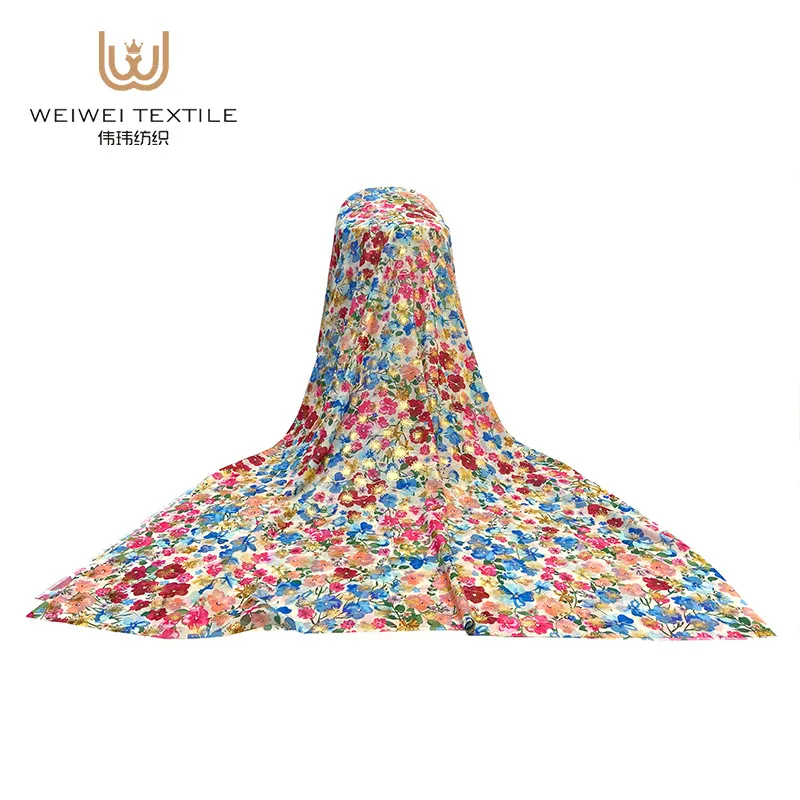
The demand for an authentic yet modern abaya muslim dress has pushed manufacturers to innovate in design, material composition, and embellishment techniques, ensuring that each piece not only respects tradition but also meets the functional and aesthetic demands of the modern wearer. This involves a meticulous approach to every stage of the product lifecycle, from initial design concepts to final delivery.
The Precision Manufacturing Process of the Abaya Muslim Dress
The production of a high-quality abaya muslim dress involves a sophisticated multi-stage process that prioritizes material integrity, precision tailoring, and stringent quality control. This process is analogous to the exacting standards found in industries like aerospace or medical device manufacturing, where adherence to specifications is paramount.
Process Flow:
1. Material Selection & Sourcing
Identification of premium fabrics such as Nida, high-grade Crepe, textured Linen, or blended polyesters known for drape, breathability, and durability. Sourcing involves verifying supplier certifications (e.g., OEKO-TEX Standard 100 for harmful substances, GOTS for organic cotton) to ensure material integrity and ethical production.
2. Design & Pattern Development
Utilizing CAD software for precise pattern engineering, ensuring accurate sizing (e.g., adhering to ISO 8559 garment construction standards), optimal fabric utilization, and design consistency across product lines. This stage includes digital prototyping and fit analysis.
3. Automated Cutting & Preparation
Precision cutting performed by CNC-driven machines to minimize waste and ensure perfect symmetry and edge quality. Fabric layers are typically stacked and cut simultaneously, upholding consistency across large batches. Fabric inspection for flaws is critical at this stage.
4. Stitching & Assembly
Employing advanced industrial sewing machines with specific stitch types (e.g., Lockstitch for strength, Overlock for raw edge finishing) suited to the fabric and garment stress points. This ensures seams are durable and aesthetically pleasing, resisting fraying and tearing.
5. Embellishment & Finishing
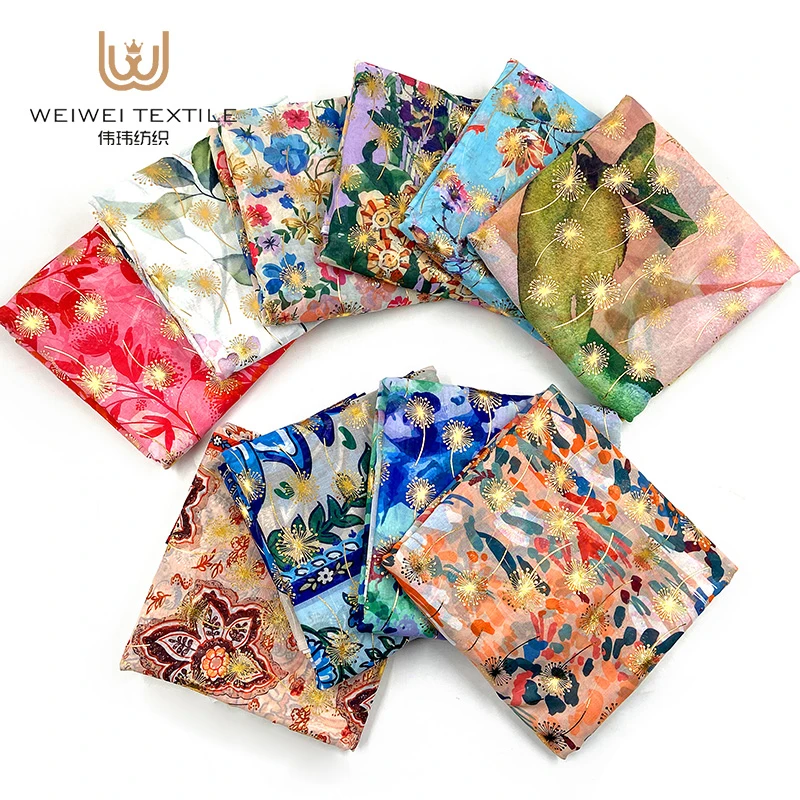
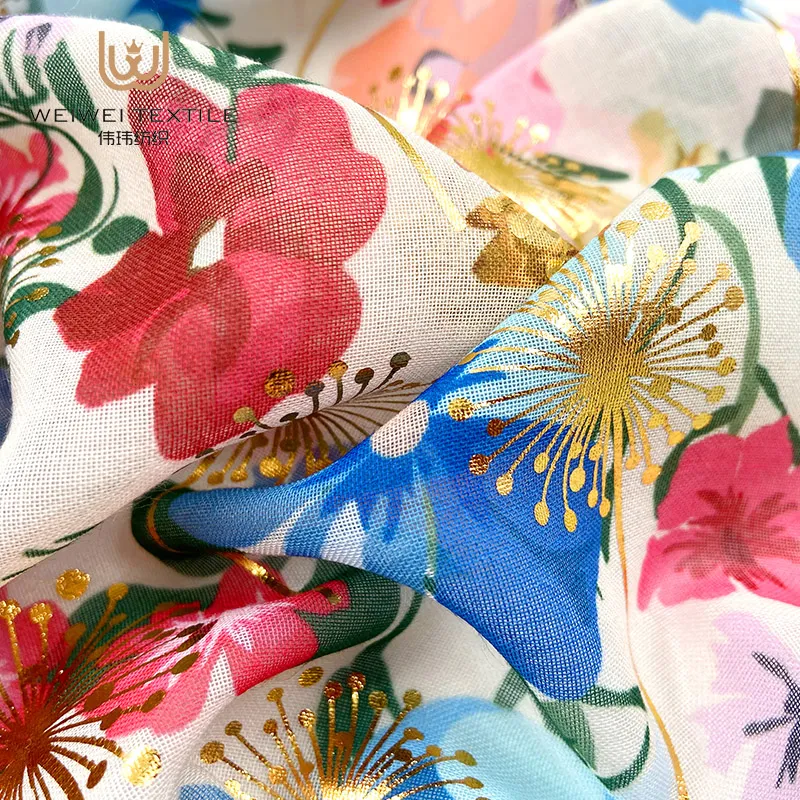
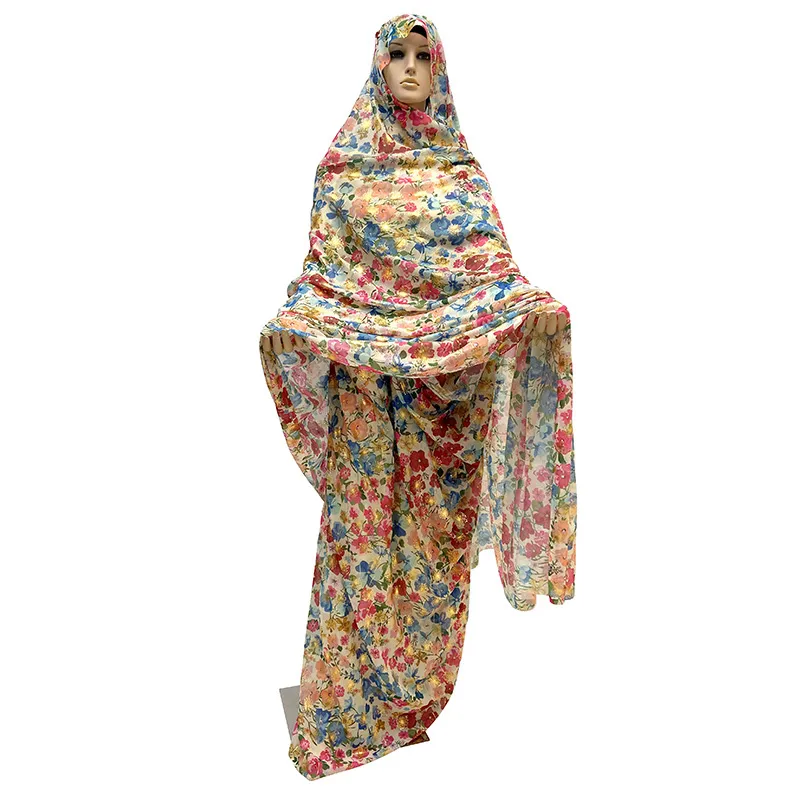
Application of decorative elements such as embroidery, beadwork, or specialized printing/stamping (e.g., gold stamping as seen in the Sudanese Women Toub). This stage requires skilled artisans and precise machinery to ensure durability of embellishments and aesthetic integration. Subsequent steaming and pressing finalize the garment's form.
6. Quality Control & Packaging
Multi-point inspection including visual checks for defects, measurement verification against technical specifications, and fabric integrity testing (e.g., colorfastness, seam strength via ASTM D1683). Garments are then folded, tagged, and packed according to client specifications, often using anti-static or breathable materials to prevent damage during transit.
Target industries for high-quality abaya muslim dress manufacturing include specialized modest fashion retailers, luxury apparel distributors, private label brands, and even uniform suppliers for certain organizations. The emphasis on robust manufacturing ensures a service life optimized for frequent wear and cleaning, reducing environmental impact and enhancing user satisfaction through superior durability and comfort.
Technical Specifications and Material Science in Abaya Production
The performance and aesthetic of an abaya muslim dress are intrinsically linked to its technical specifications, primarily focusing on fabric composition, weave structure, and garment construction parameters. For B2B clients, understanding these specifications is critical for making informed procurement decisions that align with brand values and end-user expectations.
Key Material Properties:
- Fabric Weight (GSM - Grams per Square Meter): Typically ranging from 120-200 GSM for abayas, impacting drape and opacity. Lighter GSM offers more fluidity, while higher GSM provides more structure and modesty.
- Fiber Composition: Common materials include 100% Polyester (Crepe, Nida, Fursan), Polyester-Viscose blends, and increasingly, natural fibers like Linen or Tencel for enhanced breathability and comfort. Each fiber type contributes unique properties, such as wrinkle resistance (polyester) or moisture absorption (viscose).
- Weave Structure: Plain weave for crispness, twill weave for durability, or specialized weaves for distinctive textures. The weave directly influences fabric strength, stability, and drape characteristics.
- Colorfastness: Critical for garment longevity, ensuring colors do not bleed or fade after washing or exposure to light. Measured by ISO 105 standards (e.g., ISO 105-C06 for colorfastness to washing).
- Shrinkage Resistance: Pre-shrunk fabrics are vital to maintain garment dimensions after laundering, often tested per AATCC 135 standards to ensure minimal dimensional change (typically
- Pilling Resistance: The fabric's ability to resist the formation of small balls of fibers on its surface, crucial for maintaining a clean appearance over time. Tested using methods like ASTM D3512.
Product Specification Table: Standard Abaya Fabrics
| Parameter | Nida Fabric (High-Grade) | Premium Crepe | Linen Blend |
|---|---|---|---|
| Fiber Composition | 100% Polyester | 100% Polyester / Poly-Viscose | Linen-Viscose / Linen-Cotton |
| Fabric Weight (GSM) | 150-180 | 130-160 | 160-200 |
| Drape Characteristics | Excellent fluidity, soft flow | Good, textured flow | Moderate, crisp drape |
| Breathability | Good for polyester, specific weaves enhance it | Moderate | High, natural fibers |
| Wrinkle Resistance | High | Moderate to High | Low to Moderate (requires care) |
| Typical Applications | Everyday, formal, travel abayas | Casual, semi-formal abayas | Summer, relaxed-fit abayas |
The selection of appropriate materials, combined with precise garment engineering, ensures that the final abaya muslim dress not only meets aesthetic demands but also offers superior comfort, durability, and ease of care. These factors are critical for B2B partners who serve a discerning global clientele.
Application Scenarios and Technical Advantages
The versatility of the abaya muslim dress extends across a myriad of application scenarios, reflecting its adaptive design and cultural significance. For B2B clients, understanding these diverse uses and the technical advantages they demand is crucial for market positioning.
Diverse Application Scenarios:
- Daily Wear & Office Attire: Abayas designed for everyday use prioritize comfort, breathability, and wrinkle resistance. Fabrics like high-grade Nida or poly-crepe are preferred for their ease of maintenance and ability to maintain a pristine appearance throughout the day.
- Formal Events & Special Occasions: These abayas incorporate luxurious fabrics such as silk blends, rich brocades, or intricately embellished materials. Technical advantages include sophisticated embroidery techniques, durable beadwork application, and superior draping properties for an elegant silhouette. The Sudanese Women Toub with Gold Stamping, for instance, exemplifies a formal piece, where the metallic embellishment requires advanced heat-transfer or embroidery methods for long-lasting adherence and brilliance.
- Travel & Outdoor Use: Lightweight, quick-drying, and UV-resistant fabrics are paramount. Technical features like integrated pockets, adjustable cuffs, and non-crease finishes provide functional advantages for wearers on the go.
- Religious Observances: Simplicity, modesty, and comfort are key. Fabrics that are opaque and non-restrictive, ensuring full coverage and ease of movement during prayers, are essential.
Technical Advantages for Enhanced Performance:
- Durability & Longevity: Reinforced seams (e.g., using double-needle stitching or flat-felled seams), high-quality threads (polyester or nylon for strength), and abrasion-resistant fabrics ensure a longer product life, critical for bulk purchasers and end-user satisfaction.
- Comfort & Breathability: Advanced fabric finishes (e.g., moisture-wicking treatments) and innovative weave structures contribute to thermodynamic comfort, particularly in warmer climates. This translates to higher wearer satisfaction and repeat business for retailers.
- Aesthetic Retention: Superior colorfastness, anti-pilling treatments, and high-quality embellishment application (e.g., gold stamping that resists cracking or fading) ensure the garment maintains its visual appeal over numerous washes and extended wear.
- Ease of Care: Fabrics with inherent wrinkle resistance and quick-drying properties minimize the need for ironing and dry cleaning, offering practical benefits to the consumer and reducing post-purchase concerns for B2B clients.
By integrating these technical advantages into the design and manufacturing of each abaya muslim dress, suppliers can deliver products that not only meet but exceed market expectations, fostering strong B2B relationships through consistent quality and performance.
Vendor Comparison and Customized Solutions in Abaya Fashion
In the competitive `abaya fashion` landscape, selecting the right manufacturing partner is paramount for B2B enterprises. Differentiators extend beyond price, encompassing quality assurance, ethical production, and the capacity for bespoke solutions.
Key Differentiators in Vendor Selection:
- Material Sourcing & Quality: Verified suppliers who can provide certifications like OEKO-TEX Standard 100 for fabric safety and consistent quality.
- Manufacturing Expertise: Factories with advanced machinery (e.g., automated cutting, multi-head embroidery) and skilled labor, ensuring precision and consistency.
- Quality Control Protocols: Adherence to international standards (e.g., ISO 9001 for quality management systems) and rigorous in-process and final inspections.
- Ethical & Sustainable Practices: Transparency in labor practices (e.g., Sedex audited facilities) and environmental certifications (e.g., GOTS for organic textiles).
- Design & Development Capabilities: In-house design teams capable of trend forecasting and transforming concepts into production-ready patterns.
Vendor Comparison Table: Abaya Manufacturing Capabilities
| Feature | Vendor A (Specialized Premium) | Vendor B (Volume Production) | Vendor C (Mid-Tier Balanced) |
|---|---|---|---|
| Minimum Order Quantity (MOQ) | 200-500 units per style | 1000+ units per style | 500-1000 units per style |
| Fabric Certifications | OEKO-TEX, GOTS, REACH | Standard mill certifications | OEKO-TEX (on request) |
| Customization Options | Full bespoke design, fabric, embellishment, fit | Limited color/size variations, basic prints | Moderate design tweaks, fabric choices |
| Quality Control | ISO 9001, 3rd party audits, 100% final inspection | In-house sampling, batch checks | AQL 2.5/4.0 standards, pre-shipment inspection |
| Lead Time (Production) | 8-12 weeks | 6-10 weeks | 7-11 weeks |
Customized Solutions: Tailoring the Abaya Muslim Dress
The demand for bespoke solutions in `abaya fashion` is growing, allowing brands to carve out unique market niches. Customization options can include:
- Fabric Development: Sourcing unique fabric blends or weights to achieve specific drape, feel, or performance characteristics.
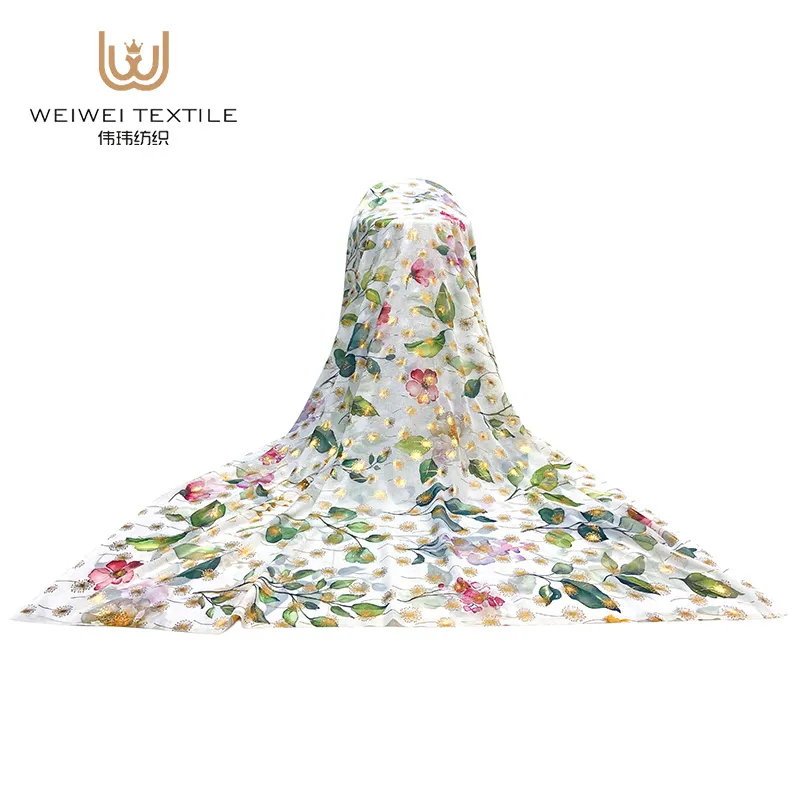
- Exclusive Embellishments: Developing proprietary embroidery patterns, unique beadwork designs, or specialized printing techniques like the gold stamping seen on the Sudanese Women Toub. These technical processes ensure durability and exclusivity.
- Fit & Sizing Customization: Offering extended size ranges or tailoring to specific regional body types, moving beyond standard S-XL. This requires precise pattern grading and fit modeling.
- Branding Integration: Custom labels, hang tags, and packaging that align with a client's brand identity.
Strategic partnerships with manufacturers offering extensive customization capabilities allow B2B clients to differentiate their `muslim abaya` offerings, cater to diverse consumer preferences, and foster brand loyalty through distinctive product lines.
Real-World Case Studies & Experience in Abaya Supply
Demonstrating proven capabilities through real-world applications is essential for building B2B trust. Here, we present illustrative case studies reflecting successful partnerships in the `muslim abaya` sector.
Case Study 1: Scaling a Regional Modest Fashion Brand
Client Profile:
- Client: "ModestyMaven," a growing online retailer specializing in contemporary `abaya fashion` based in the GCC region.
- Challenge: ModestyMaven sought to expand its product line with high-quality, unique designs while ensuring consistent sizing and rapid fulfillment to meet fluctuating market demand. Their previous manufacturer struggled with material consistency and lead times.
- Solution: We partnered with ModestyMaven, offering a bespoke manufacturing solution that included sourcing premium Nida fabric with OEKO-TEX certification, implementing a flexible production schedule for 500-unit minimum runs per style, and integrating a new pattern-making process using 3D CAD to ensure precise fit across all sizes.
- Outcome: Over 18 months, ModestyMaven launched 12 new `abaya muslim dress` collections, experiencing a 40% increase in customer satisfaction due to improved product quality and a 25% reduction in production lead times, significantly boosting their market share. The consistent quality and reliable delivery enabled them to establish stronger brand recognition.
Case Study 2: Luxury Customization for an International Boutique
Client Profile:
- Client: "HauteModest," a luxury boutique with outlets in London and Dubai, known for exclusive, high-end modest wear.
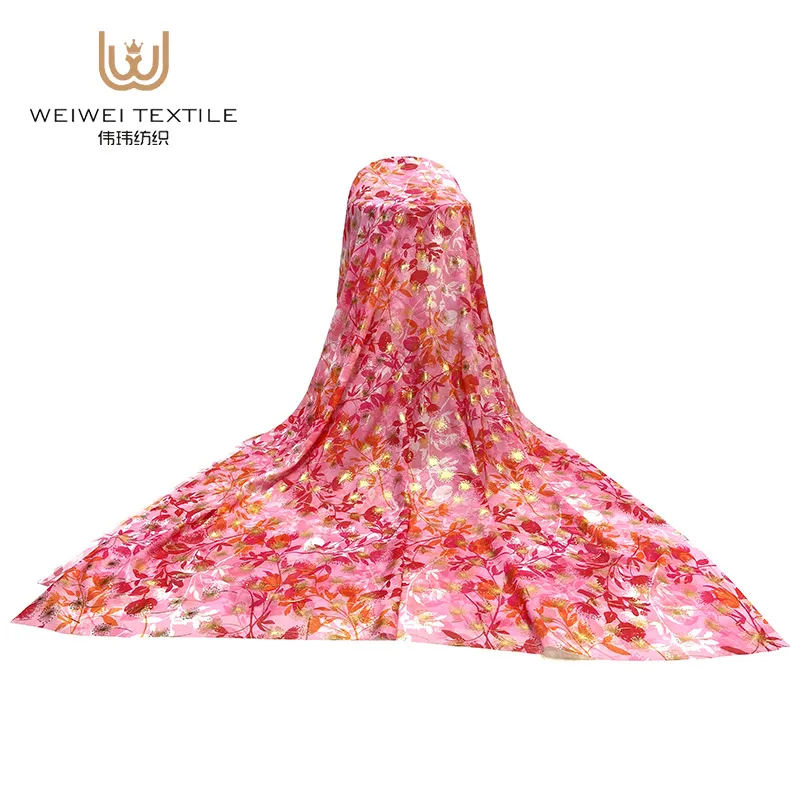
- Challenge: HauteModest required a supplier capable of producing limited-edition `muslim abaya` designs featuring intricate gold stamping and unique fabric combinations, with impeccable finish and detail. The production of specialized items like the Sudanese Women Toub with Gold Stamping demanded extremely high precision and consistency in embellishment.
- Solution: We provided a full-service customization package, starting with detailed fabric research to identify a silk-blend suitable for rich gold stamping. Our in-house design team collaborated closely to develop proprietary patterns, and specialized machinery was deployed for the precise application of the gold foil, ensuring longevity and resistance to flaking, tested against demanding wash and wear cycles. Each piece underwent individual artisan inspection.
- Outcome: HauteModest successfully launched a "Heritage Collection" which included pieces inspired by traditional designs like the Sudanese Toub, receiving critical acclaim and selling out within weeks. The exceptional quality and unique gold stamping ensured a premium market position, reinforcing their brand as a leader in luxury `abaya fashion`. This partnership highlighted our capacity for technical innovation and artisanal craftsmanship in bespoke garment production.
These case studies underscore the importance of choosing a manufacturing partner with deep expertise, a commitment to quality, and the flexibility to deliver tailored solutions for varying business needs within the `muslim abaya` sector.
Trustworthiness, Support, and Guarantees
Establishing long-term B2B partnerships relies heavily on transparency, clear communication, and robust support systems. Our commitment to trustworthiness is reflected in our processes and client-focused policies for `abaya muslim dress` manufacturing.
Frequently Asked Questions (FAQ):
What are your typical lead times for bulk orders?
Our standard production lead time for bulk orders of `abaya muslim dress` ranges from 8 to 12 weeks, depending on the complexity of the design, required customization, and current production schedule. This includes material sourcing, manufacturing, and initial quality checks. Expedited options may be available upon request and project evaluation.
Do you offer samples before full production?
Yes, we provide pre-production samples (PPS) for approval after initial prototyping. This allows clients to review the design, fit, fabric, and embellishment quality of their `muslim abaya` before mass production commences. Sample lead times typically range from 2-4 weeks.
What are your quality assurance processes?
We adhere to ISO 9001 certified quality management systems. Our QA process includes incoming material inspection, in-process quality checks at critical stages (e.g., cutting, stitching, embellishment), and a final inspection of every `abaya muslim dress` against AQL 2.5/4.0 standards before packing. Third-party inspections can also be facilitated.
What kind of warranty or guarantee do you offer?
We provide a manufacturing warranty covering defects in materials and workmanship for a period of 6 months from the date of shipment. This includes issues related to stitching integrity, fabric flaws, and embellishment adherence under normal wear and care conditions. Our commitment is to client satisfaction and product excellence.
Lead Time & Fulfillment Details:
- Order Confirmation to PPS Approval: 2-4 weeks.
- PPS Approval to Production Completion: 6-8 weeks (for typical orders).
- Shipping: Dependent on destination and chosen method (air freight: 3-7 days, sea freight: 20-45 days). We work with trusted logistics partners to ensure timely and secure delivery.
After-Sales Support & Certifications:
Our dedicated account managers provide ongoing support, addressing any post-delivery queries or concerns promptly. We maintain open communication channels to ensure a seamless experience from inquiry to fulfillment and beyond. Our facilities are regularly audited to ensure compliance with international manufacturing and ethical labor standards, including:
- ISO 9001:2015: Quality Management System certification.
- OEKO-TEX Standard 100: For textile product safety (for raw materials).
- Sedex/SMETA Audit: For ethical trade and responsible supply chains.
These commitments underscore our dedication to providing a reliable and authoritative partnership for all B2B clients seeking high-quality `muslim abaya` products.
Conclusion
The market for the `abaya muslim dress` is a testament to the intersection of tradition, modern design, and advanced manufacturing. For B2B stakeholders, success in this sector hinges on a profound understanding of material science, precision engineering in garment production, and a commitment to quality and ethical practices. By focusing on technical specifications, offering robust customization options, and building transparent partnerships, businesses can not only meet but exceed the evolving demands of the global modest fashion industry.
The future of `abaya fashion` lies in continuous innovation, blending heritage with contemporary aesthetics, and ensuring that every `muslim abaya` delivers on its promise of elegance, comfort, and durability. Partnering with a manufacturer equipped with the expertise, experience, and authoritative credentials to navigate these complexities is crucial for sustained growth and market leadership.
References
- DinarStandard and Modanisa. (2020). State of the Global Islamic Economy Report 2020/21.
- International Organization for Standardization (ISO). ISO 9001:2015 Quality management systems — Requirements.
- OEKO-TEX Association. OEKO-TEX Standard 100.
- American Association of Textile Chemists and Colorists (AATCC). AATCC Test Method 135: Dimensional Changes of Fabrics after Home Laundering.
- American Society for Testing and Materials (ASTM). ASTM D3512: Standard Test Method for Pilling Resistance and Other Related Surface Changes of Textile Fabrics.
- Sedex Global. Sedex Members Ethical Trade Audit (SMETA) Reports.
-
Xinji Weiwei Textile Factory to Exhibit at the 139th Canton Fair
NewsApr.15,2026
-
Abaya Robe: Tradition, Elegance, and Daily Cultural Expression
NewsApr.15,2026
-
Satin Scarves and Hijabs: A Reflection of Tradition, Elegance, and Daily Practice
NewsApr.15,2026
-
Chiffon Scarf Hijab: A Blend of Tradition, Style, and Everyday Practice
NewsApr.15,2026
-
Exploring Hijab Fashion in Malaysia: Tradition, Style, and Daily Cultural Practice
NewsApr.15,2026
-
The Cultural Significance and Style of Voile Scarves and Shawls in Daily Muslim Wear
NewsApr.15,2026