Nov . 26, 2025 16:40 Back to list
Lightweight Scarf – The Ultimate Guide to Stylish and Functional Scarves
Why the Lightweight Scarf Is More Than Just a Simple Accessory
At first glance, a lightweight scarf might seem like just a delicate accessory tossed over the shoulders on a chilly spring day. Yet, as with many everyday items, there's a surprising depth and global significance beneath its airy fibers. From fashion runways in Paris to humanitarian aid kits in refugee camps, understanding the nuances of lightweight scarves opens up insights into sustainability, textile innovation, and cultural exchange worldwide.
Globally, lightweight scarves play roles beyond aesthetics — they matter in climates where bulky layers aren't practical, in industries looking to reduce material weight, and in cultural practices that transcend seasons. If you've ever wondered why so many brands emphasize lightweight fabrics over heavier ones, or why humanitarian outfits favor these scarves, this article peels back the layers — quite literally.
Setting the Stage: Lightweight Scarves in a Global Context
Look around: lightweight scarves are everywhere, but the reasons are surprisingly layered. According to the International Textile Manufacturers Federation (ITMF), lightweight textile production has grown by roughly 15% annually over the last decade, largely fueled by demands for breathable, packable, and adaptable apparel across diverse climates.
At the same time, the UN Refugee Agency (UNHCR) recommends lightweight scarves as part of essential kits, particularly because of their multifunctionality — shielding against sun, dust, or providing warmth with minimal weight. But challenges persist: how do manufacturers balance sustainability with cost, or style with durability? That’s the puzzle in textile innovation now.
What Exactly Is a Lightweight Scarf?
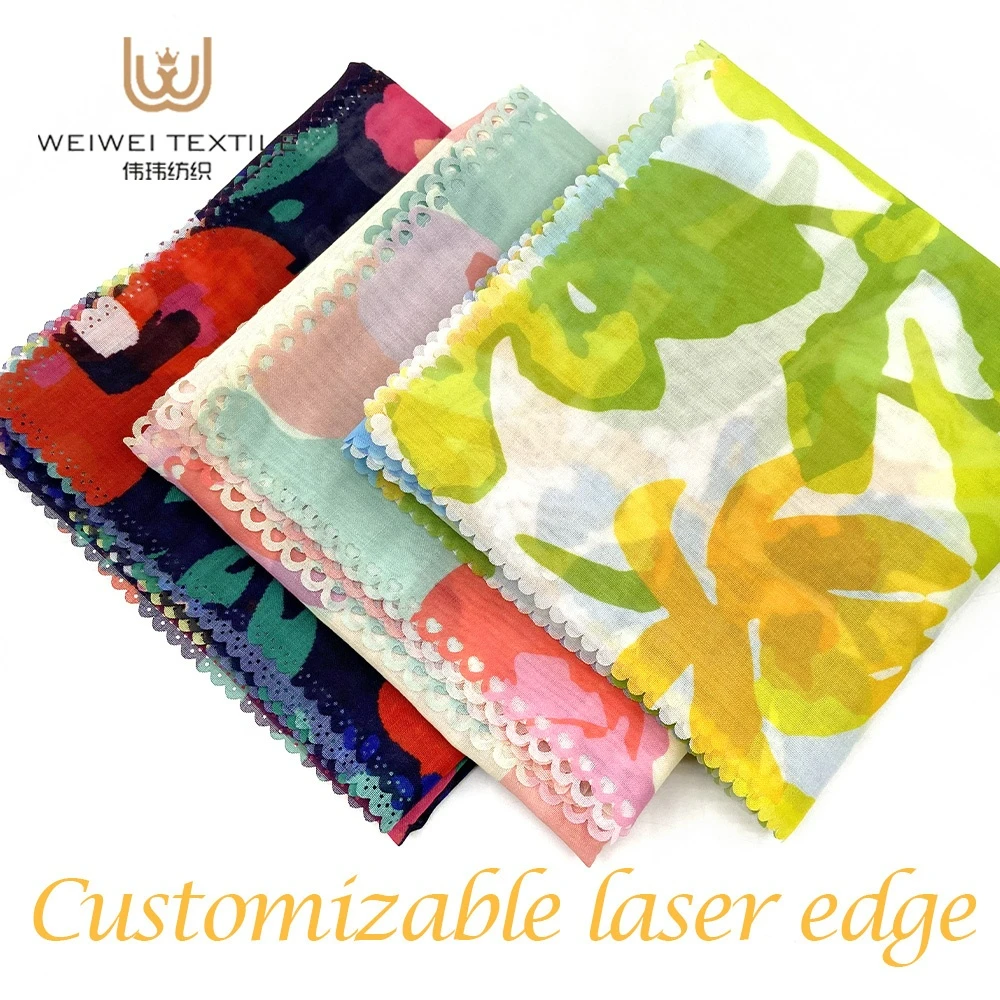
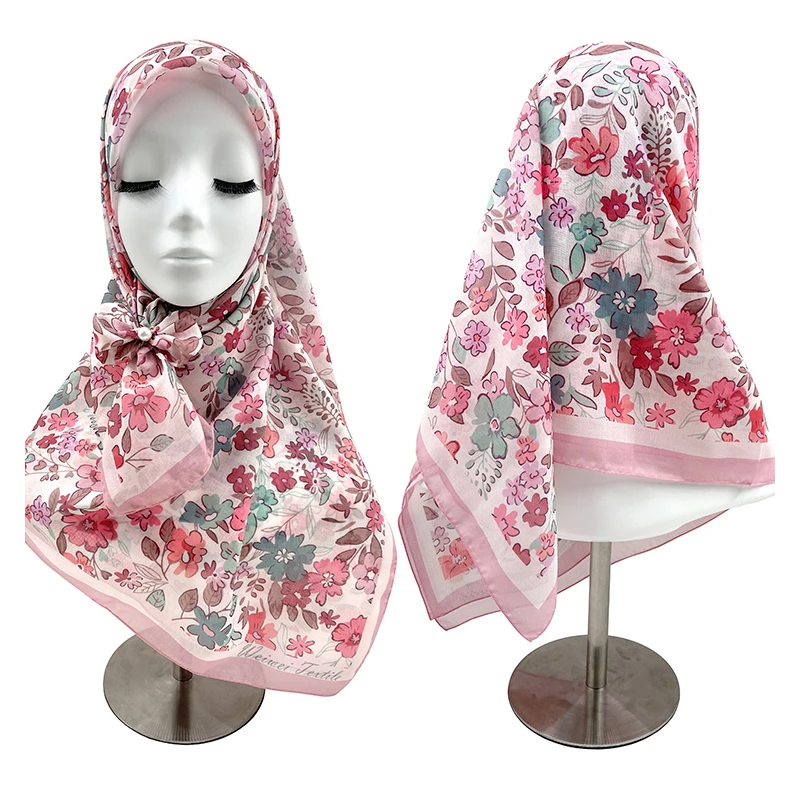
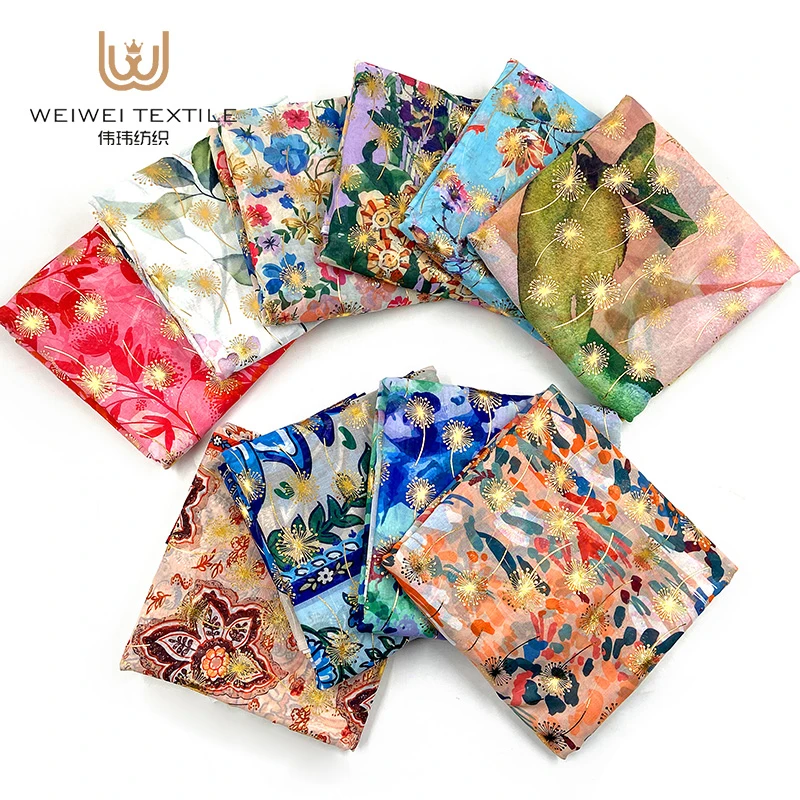
In simple terms, a lightweight scarf is any neck or shoulder covering crafted from thin, breathable materials — think cotton voile, linen blends, silk chiffons, or fine wool blends weighing typically less than 100 grams per square meter. It's designed for breathability and easy layering, unlike bulkier scarves intended purely for winter warmth.
But on a deeper level, lightweight scarves have evolved beyond fashion: in humanitarian contexts, they offer protective functions; in industries like aviation and outdoor sports, they reduce wearer fatigue by staying light, cool, and moisture-wicking. They’re a small, elegant answer to several practical demands.
Key Aspects of Lightweight Scarves
1. Material Composition
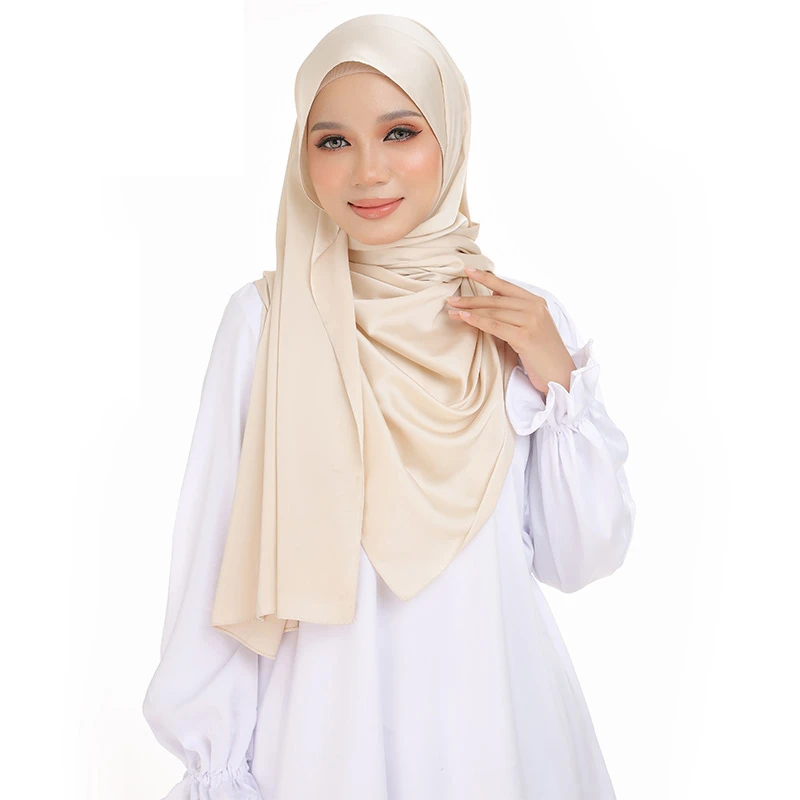
The heart of any lightweight scarf is the fabric. Natural fibers like cotton or silk excel in breathability but can lack durability. Synthetic blends, such as microfiber or polyester, often bolster longevity and quick-drying properties while keeping weight down.
2. Weave and Texture
Fine weaves, like gauze or crêpe, contribute to lightness and softness but might sacrifice wind resistance or warmth. On the flip side, tightly woven lightweight fabrics add a dimension of sturdiness without much heft.
3. Durability vs. Delicacy Balance
A lightweight scarf is a bit like a tightrope walker: it needs to be fragile enough to be comfortable, but tough enough to last through wear and tear. Many manufacturers treat fabrics with specialized finishes to enhance resistance to stains or UV damage without upping weight.
4. Multipurpose Utility
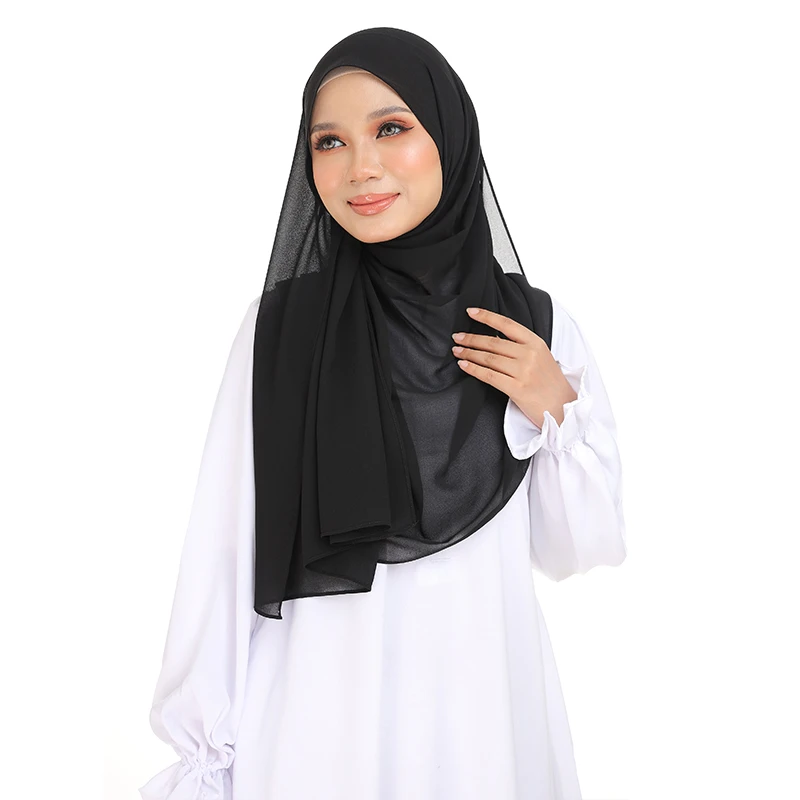
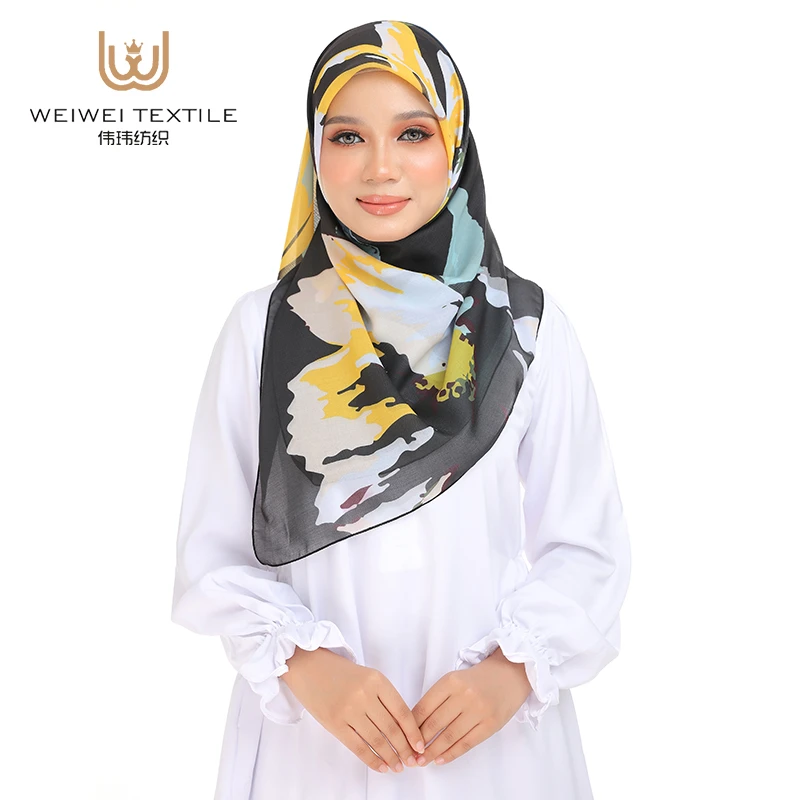
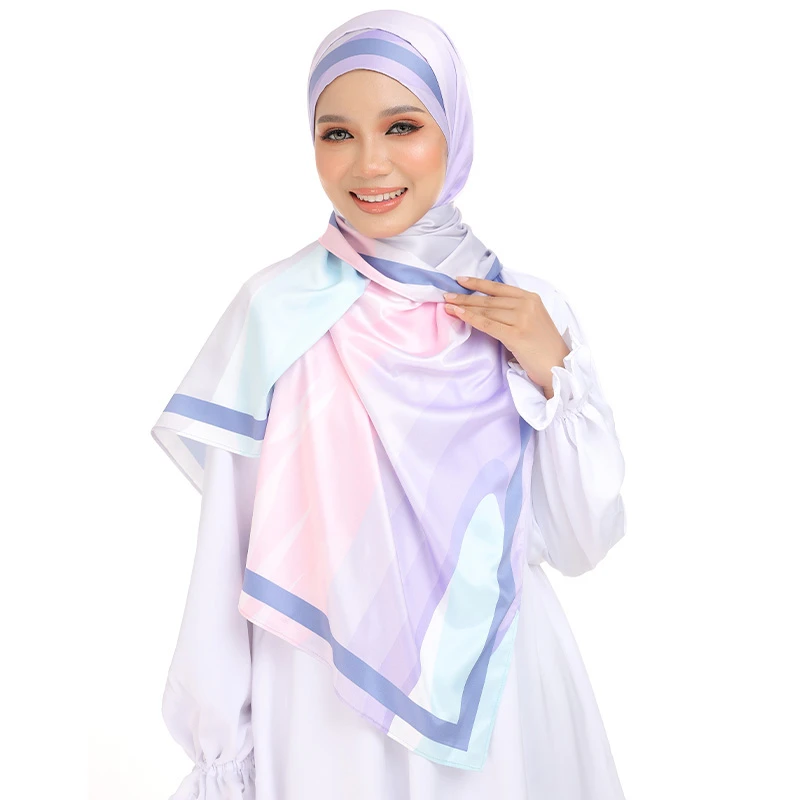
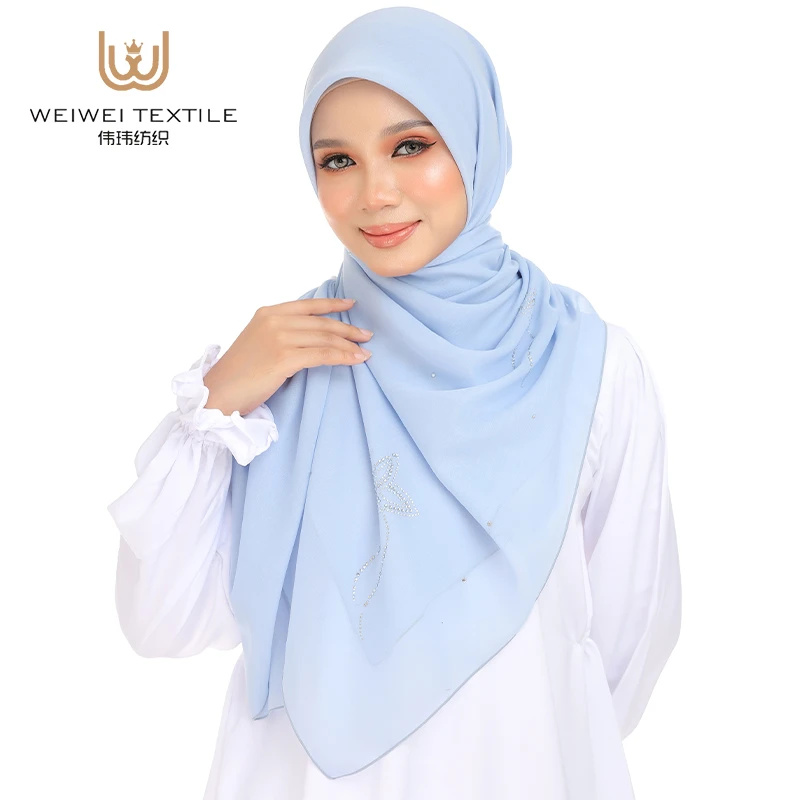
Besides style, lightweight scarves often double as head coverings, sun shields, masks, or even emergency blankets in extreme situations. This versatility is why some NGOs prioritize them in supply kits.
Mini Takeaway:
Lightweight scarves aren’t just pretty wraps; their fabric choices and versatility make them globally relevant in fashion, function, and social impact.
What’s Under the Hood? Product Specifications
| Feature | Typical Value | Comment |
|---|---|---|
| Weight | 40-80 gsm (grams/sq. meter) | Ultra-light compared to winter scarves (250+ gsm) |
| Materials | Cotton, silk, linen, polyester blends | Natural or synthetic depending on use case |
| Dimensions | 70cm x 180cm (avg.) | Versatile sizing for shoulder wraps or headscarves |
| Breathability | High (varies by fabric) | Essential for comfort in warm climates |
| UV Protection | Up to 50+ UPF possible | Special coatings available for outdoor use |
How Lightweight Scarves Fit into Various Industries and Regions
Oddly enough, the versatility of lightweight scarves means they’re not “just” current fashion staples but have made significant inroads in industry, humanitarian efforts, and even tech sectors:
- Fashion & Lifestyle: Spring and summer collections worldwide rely heavily on lightweight scarves to offer sun protection without bulk.
- Humanitarian Aid: NGOs include lightweight scarves in kits for refugees, desert refugee camps, or flood-prone zones — as protection against dust or chill without weighing down supplies.
- Outdoor & Adventure Sports: Climbers and hikers use microfiber scarves as sweat wipers, dust shields, and quick warmth layers.
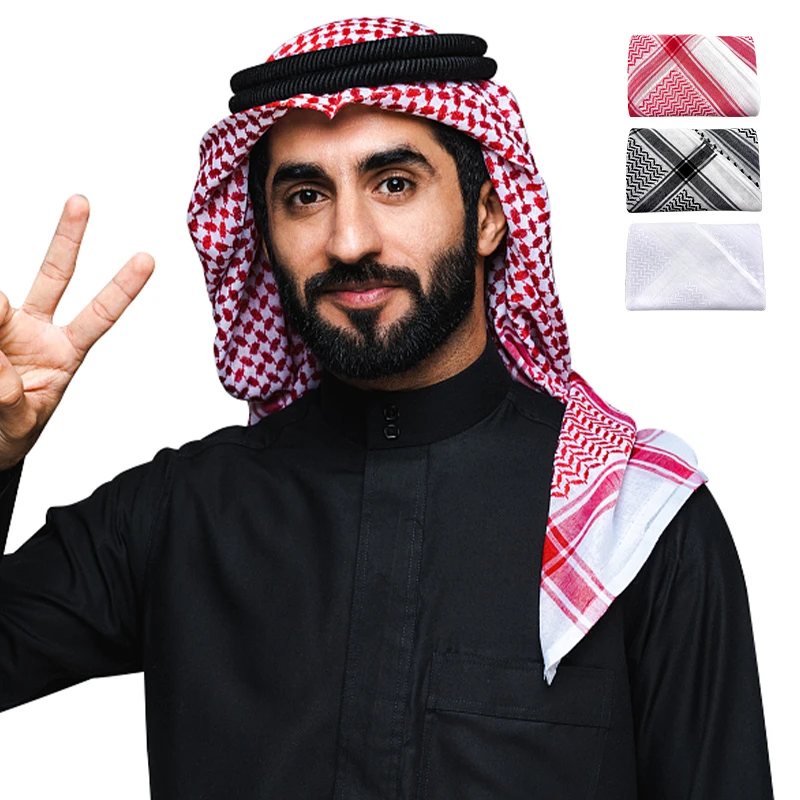
- Industrial Workers: In regions with extreme climates—like Middle East oil fields or Asian factories—these scarves are functional gear to minimize heat stress or pollution inhalation.
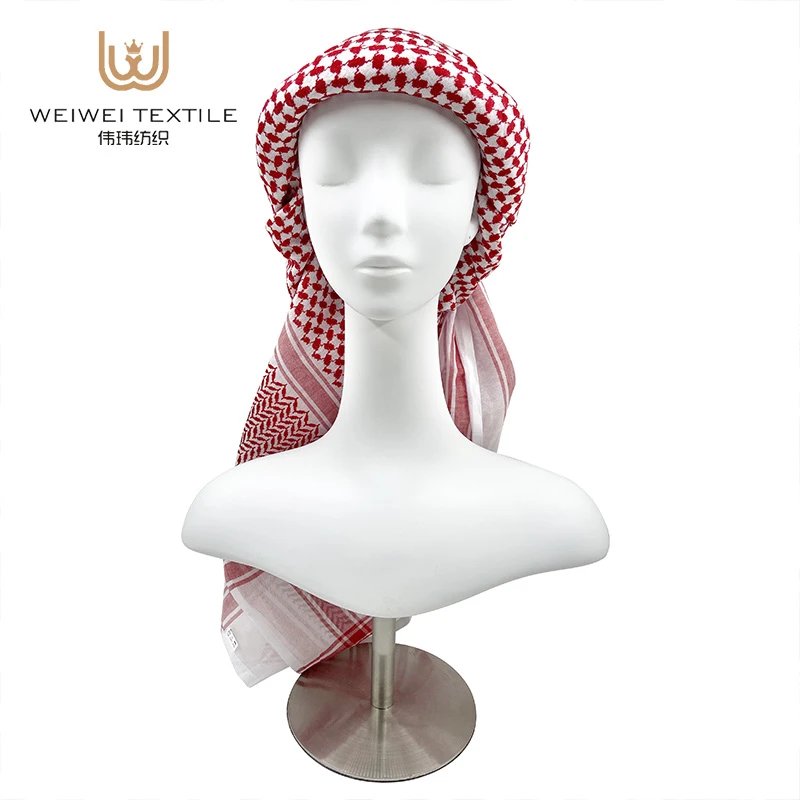
The interesting bit? Different regions often tailor scarf fabrics for local climate nuances. For example, Mediterranean nations gravitate towards linen blends, while Southeast Asia prefers breathable silks or microfibers.
Mini Takeaway:
Lightweight scarves transcend continents and industries, acting as practical solutions from deserts to alpine trails.
Comparing Leading Lightweight Scarf Vendors
| Vendor | Material Focus | Price Range | Notable Features |
|---|---|---|---|
| SilkyWinds | 100% Mulberry Silk | $50 - $100 | Luxury feel, natural sheen, hypoallergenic |
| EcoWrap | Organic Cotton & Hemp | $30 - $60 | Sustainably sourced, biodegradable dyes |
| MicroBreeze | Polyester Microfiber | $20 - $40 | Moisture-wicking, quick-dry, UV resistance |
| LinenLuxe | High-quality Linen | $40 - $75 | Breathable, natural textures, longevity |
Why Choose a Lightweight Scarf? The Long-Term Benefits
Cost-wise, lightweight scarves generally solve multiple problems with one product — sun protection, minor warmth, and style — meaning fewer purchases overall. Environmentally, many brands focus on natural, renewable fibers that biodegrade instead of piling in landfills.
On the human side, there’s also a dignity factor. Refugees receiving a thoughtfully designed lightweight scarf feel cared for, not just given castoff gear. Those who rely on these scarves daily say they trust the comfort and breathability — vital when conditions get tough.
Looking Ahead: Innovations Shaping Lightweight Scarves
Technology isn't shirking from even humble scarves. Think bioengineered fibers that repel bacteria, incorporate UV sensors, or fabrics infused with cooling compounds. Plus, digital print tech is enabling vibrant, eco-friendly designs on super-thin materials without harsh chemicals.
As sustainability takes center stage, expect more scarves combining renewable sources, minimal water use in production, and carbon offset efforts. Automation allows custom-sized scarves to be one-click personalized — making inventory a breeze.
Facing the Challenges and Crafting Solutions
Of course, lightweight scarves aren’t perfect. Some face issues like snagging easily or color fading faster — which frustrates both manufacturers and consumers. Yet combining synthetic blends with durable finishes without adding bulk is steadily improving.
Experts recommend investing time in quality control, ethical sourcing, and consumer education. Sometimes the best solution is simply knowing when to use a lightweight scarf and when a heavier one is truly needed.
FAQs About Lightweight Scarves
Q1: What makes a lightweight scarf better than a regular scarf for summer?
A1: Lightweight scarves are designed with materials that breathe, dry quickly, and let air circulate, making them perfect for warmer months. Unlike heavy wool or thick knits, they provide coverage without overheating, ideal for sun protection or a light warmth layer.
Q2: Can lightweight scarves be used effectively in emergency or disaster relief?
A2: Absolutely. Their multifunctional nature means they can shield from dust, sun, and cold without adding significant weight to relief kits. NGOs often prefer them because they serve multiple protective purposes with minimal space taken.
Q3: How do I care for a lightweight scarf to ensure it lasts?
A3: Care instructions depend on material, but generally gentle hand wash or delicate machine cycles with mild detergent work best. Air drying is recommended to prevent shrinkage or damage. Avoid harsh bleaching agents that degrade fibers quickly.
Q4: Are lightweight scarves eco-friendly?
A4: When made from organic, biodegradable fibers, lightweight scarves are eco-friendly. Synthetics can be less so, but advanced recycling and production methods are closing that gap. Always check certification labels for assurance.
Q5: Where can I find stylish yet functional lightweight scarves?
A5: Many brands now focus on combining fashion with utility. Check out our curated collections and read reviews at lightweight scarf specialty sites to find options that suit your style and needs.
Wrapping It Up: The Lasting Impact of Lightweight Scarves
In real terms, lightweight scarves embody a blend of simplicity and complexity — simple in their use, complex in their design and impact. Their growing global presence attests to their practicality, sustainability, and cultural resonance. Whether you’re a fashion lover, a foot soldier in aid relief, or just someone wanting an elegant, featherlight cover, lightweight scarves offer surprising long-term value.
If you’re curious to explore the world of lightweight scarf options, sounds like a good time to start your journey!
References:
- International Textile Manufacturers Federation (ITMF)
- United Nations Refugee Agency (UNHCR)
- Wikipedia: Scarf
-
Xinji Weiwei Textile Factory to Exhibit at the 139th Canton Fair
NewsApr.15,2026
-
Abaya Robe: Tradition, Elegance, and Daily Cultural Expression
NewsApr.15,2026
-
Satin Scarves and Hijabs: A Reflection of Tradition, Elegance, and Daily Practice
NewsApr.15,2026
-
Chiffon Scarf Hijab: A Blend of Tradition, Style, and Everyday Practice
NewsApr.15,2026
-
Exploring Hijab Fashion in Malaysia: Tradition, Style, and Daily Cultural Practice
NewsApr.15,2026
-
The Cultural Significance and Style of Voile Scarves and Shawls in Daily Muslim Wear
NewsApr.15,2026