Nov . 26, 2025 18:15 Back to list
Lightweight Shawls and Wraps – Comfort, Culture, and Sustainability Combined
Lightweight Shawls and Wraps: Why They Matter More Than You Think
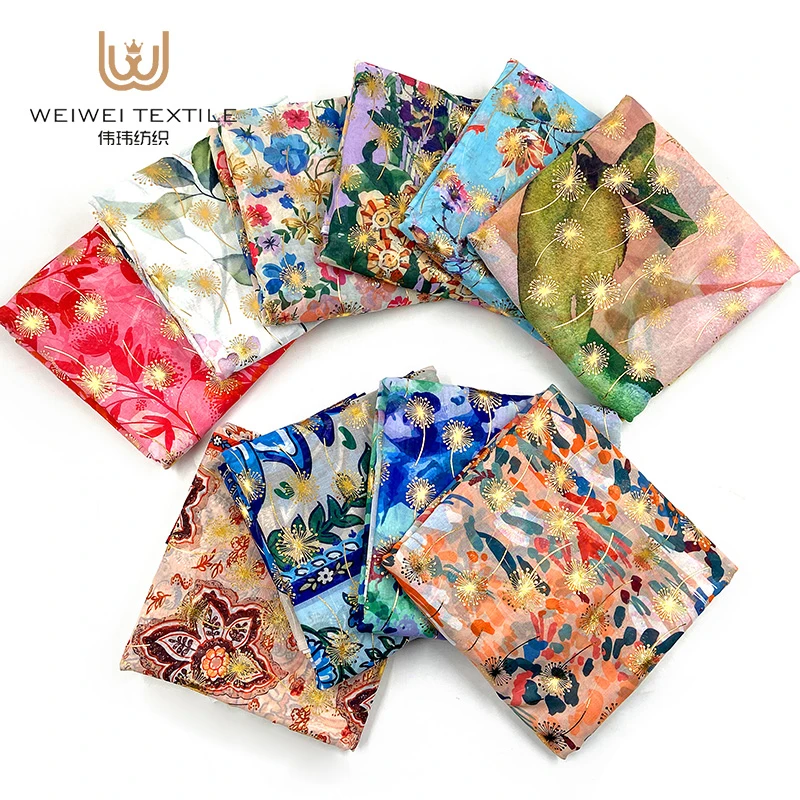
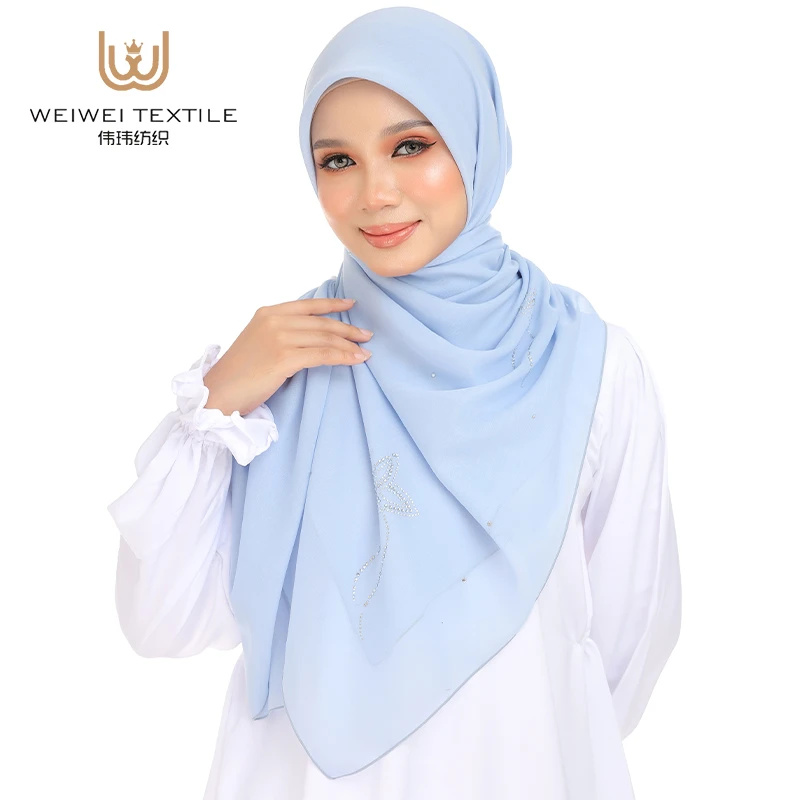
When you hear the words lightweight shawls and wraps, perhaps the first image is a delicate scarf fluttering in a gentle breeze, or a stylish layer on a cool evening. But these versatile textiles go far beyond fashion — they serve vital purposes globally, blending tradition, technology, and practical need. Understanding them unlocks a fascinating blend of cultural heritage, industry innovation, and humanitarian impact. Let’s unravel why these simple fabric layers carry so much significance worldwide.
Introduction: The Global Reach of Lightweight Shawls and Wraps
Across continents, lightweight shawls and wraps have been trusted companions in people’s daily lives — from the dusty markets of Rajasthan to the snowy slopes of Scandinavia. According to the United Nations World Tourism Organization, over 1.4 billion people travel annually, many carrying or wearing these types of versatile clothing items for convenience and comfort. On the industrial front, innovation in lightweight fabric manufacturing is becoming a niche yet growing sector, especially with the rise of sustainable textiles.
But here’s the rub: whether for climate adaptability, cultural preservation, or humanitarian relief, the right choice of lightweight fabric can mean the difference between comfort and hardship. Imagine refugee camps in sub-Saharan Africa where quality wraps protect from sun by day and chill by night — it’s hard to overstate their value in such contexts.
Mini takeaway: Lightweight shawls and wraps connect intimate human needs with large-scale challenges — from climate change to displacement.
What Exactly Are Lightweight Shawls and Wraps?
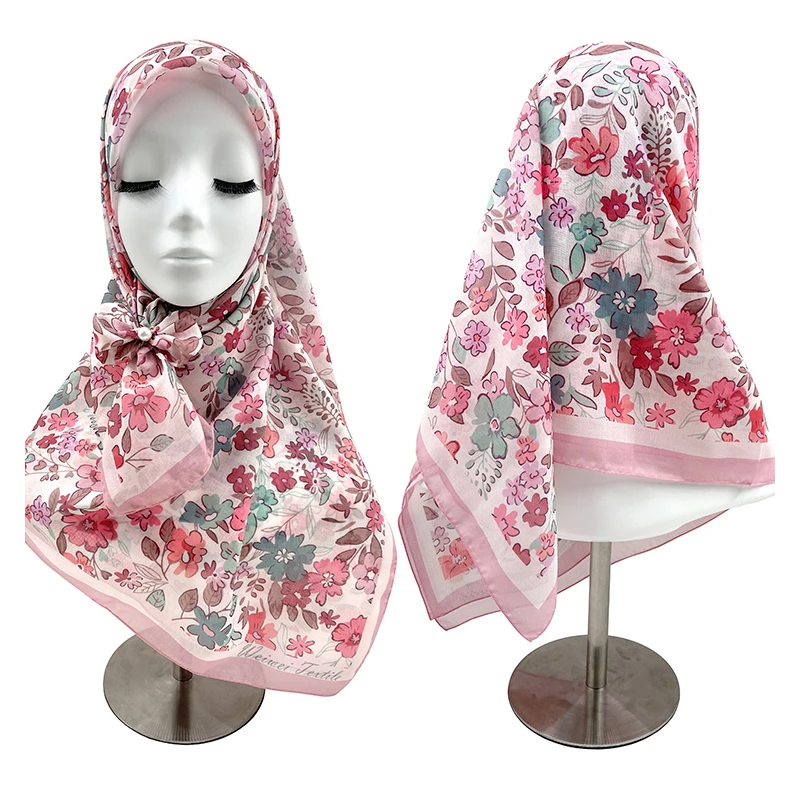
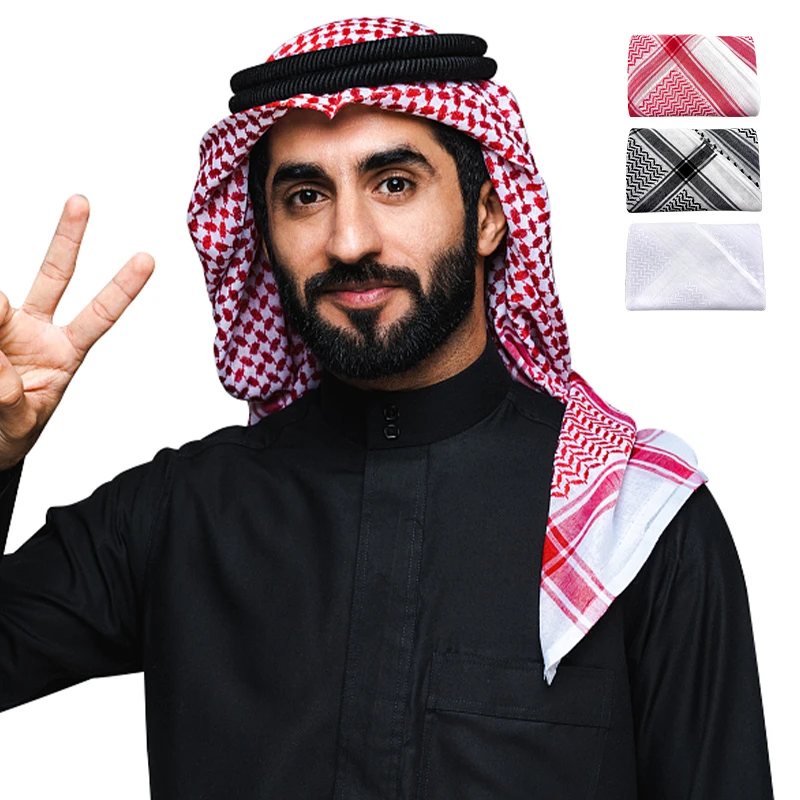
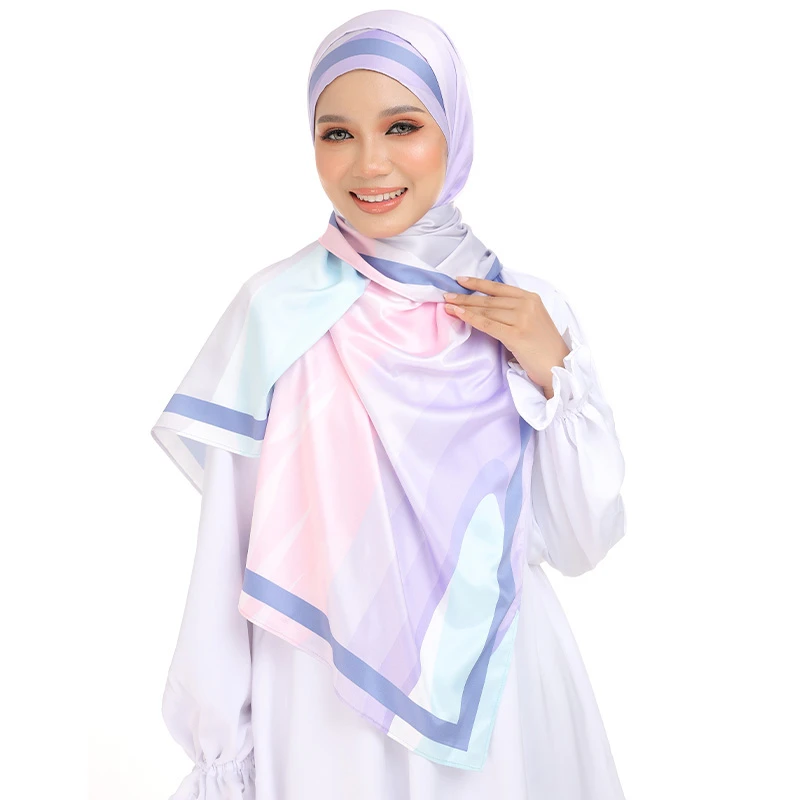
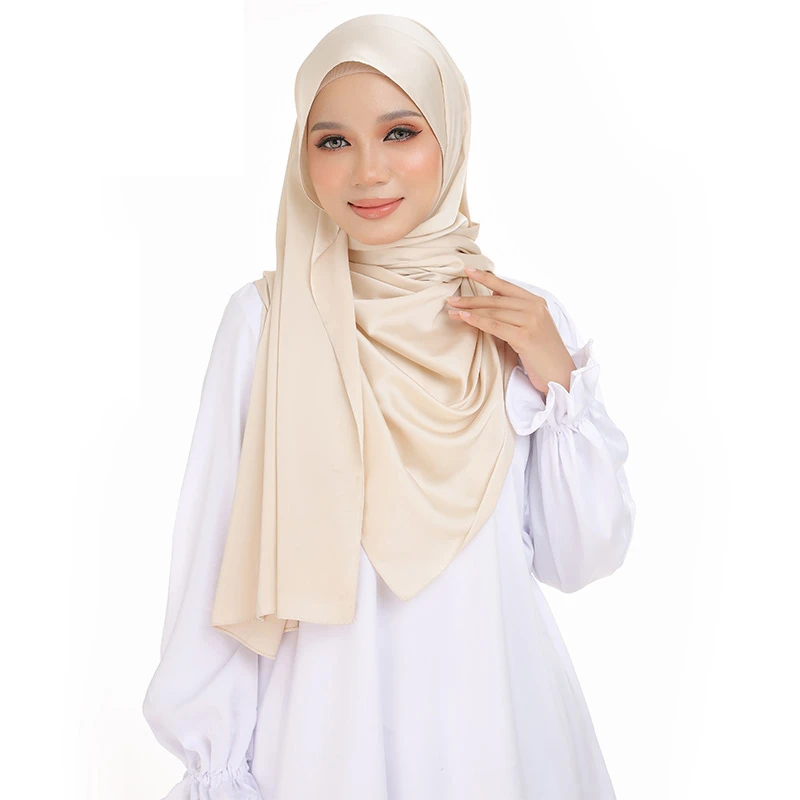
Simply put, lightweight shawls and wraps are fabric accessories designed to drape over the shoulders or body. Made from materials weighing less than approximately 250 grams per square meter, they aim to offer warmth, sun protection, style, or modest coverage without the bulk of heavier garments. You’ll find them crafted from cotton, silk, linen, bamboo fibers, or even emerging synthetic blends.
| Vendor | Material Range | Sustainability Certifications | Price Range (USD) | Customization Options |
|---|---|---|---|---|
| WeaveCo Textiles | Cotton, Linen, Bamboo | GOTS, OEKO-TEX | $15–40 | Prints, Sizes, Colors |
| SilkLoom | Silk, Synthetic | ISO 14001 | $30–70 | Pattern Design, Embroidery |
| EcoWraps | Organic Cotton, Hemp | Fair Trade, GOTS | $25–60 | Custom Labels, Colors |
FAQs About Lightweight Shawls and Wraps
Q1: How do lightweight wraps differ from regular scarves?
A1: Lightweight wraps typically cover a larger area, designed not just for neck warmth but versatile uses like sun protection or modesty covers. They focus on breathable, thin materials optimized for temperature control and multi-season use.
Q2: Are there eco-friendly options available for lightweight shawls?
A2: Absolutely. Many brands now offer wraps made from organic cotton, bamboo fiber, or hemp, often certified by recognized sustainability standards like GOTS or Fair Trade to ensure minimal environmental impact.
Q3: Can these wraps be customized for businesses or events?
A3: Yes, customization is quite common—including print designs, embroidery, size variations, and branded labels. Many vendors offer minimum order quantities suitable for corporate gifts or event merchandise.
Q4: How should I care for my lightweight shawls to ensure longevity?
A4: Gentle hand-washing in cold water and air drying is usually recommended, especially for delicate fibers like silk or organic cotton. Avoid harsh chemicals or machine drying to maintain fabric integrity.
Q5: Where can humanitarian organizations source quality lightweight wraps?
A5: Organizations often partner with vendors specializing in durable, cost-efficient, and sustainable wraps — those with certifications like OEKO-TEX and strong ethical practices. Bulk orders are facilitated by suppliers listed in humanitarian procurement networks.
Conclusion: Wrapping Up the Long-Term Value
In the end, lightweight shawls and wraps symbolize more than a piece of cloth. They're a nexus of culture, comfort, environmental responsibility, and practical innovation. Whether you’re a global traveler looking for versatile apparel or an aid worker aiming to provide warmth where it’s needed most, these textiles play a quiet but irreplaceable role.
Interested in exploring high-quality, sustainable options? Feel free to visit our collection of lightweight shawls and wraps to find your perfect match.
References
-
Xinji Weiwei Textile Factory to Exhibit at the 139th Canton Fair
NewsApr.15,2026
-
Abaya Robe: Tradition, Elegance, and Daily Cultural Expression
NewsApr.15,2026
-
Satin Scarves and Hijabs: A Reflection of Tradition, Elegance, and Daily Practice
NewsApr.15,2026
-
Chiffon Scarf Hijab: A Blend of Tradition, Style, and Everyday Practice
NewsApr.15,2026
-
Exploring Hijab Fashion in Malaysia: Tradition, Style, and Daily Cultural Practice
NewsApr.15,2026
-
The Cultural Significance and Style of Voile Scarves and Shawls in Daily Muslim Wear
NewsApr.15,2026