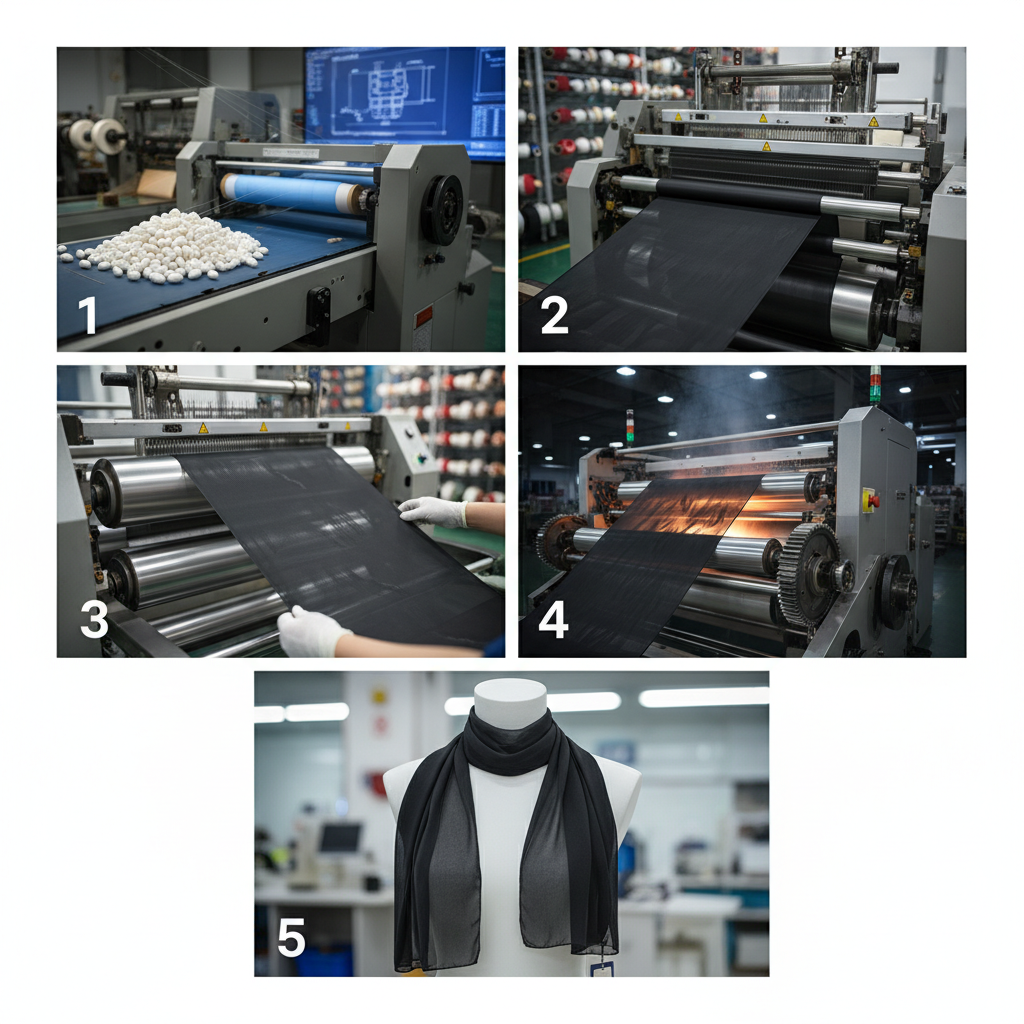
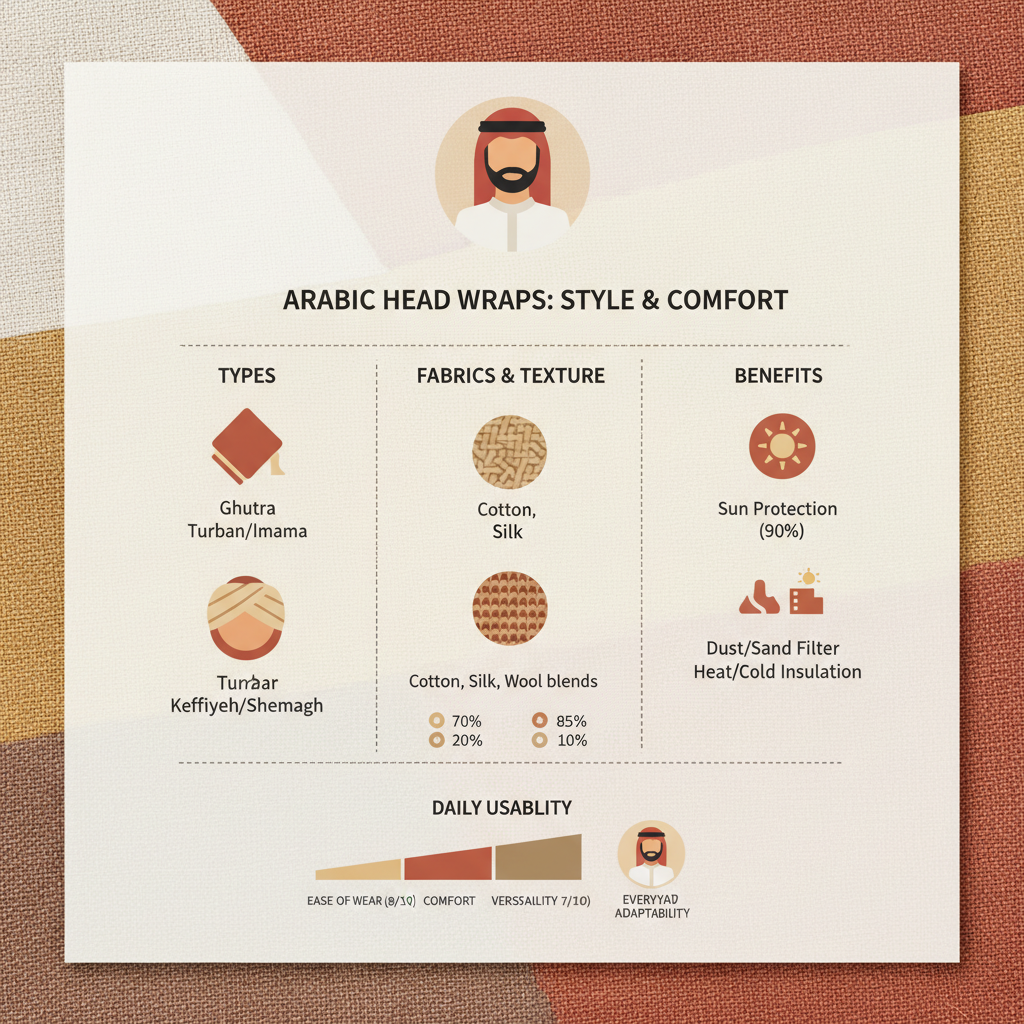
The black scarf remains an enduring symbol of elegance and versatility in the global textile market. From high-fashion runways in Milan to daily wear in the bustling streets of Khartoum, this timeless accessory transcends cultural boundaries, offering a unique blend of modesty, sophistication, and practical utility. Understanding the nuances of its production—from the choice of fiber to the precision of the dyeing process—is essential for anyone looking to source high-quality textiles that withstand the test of time.
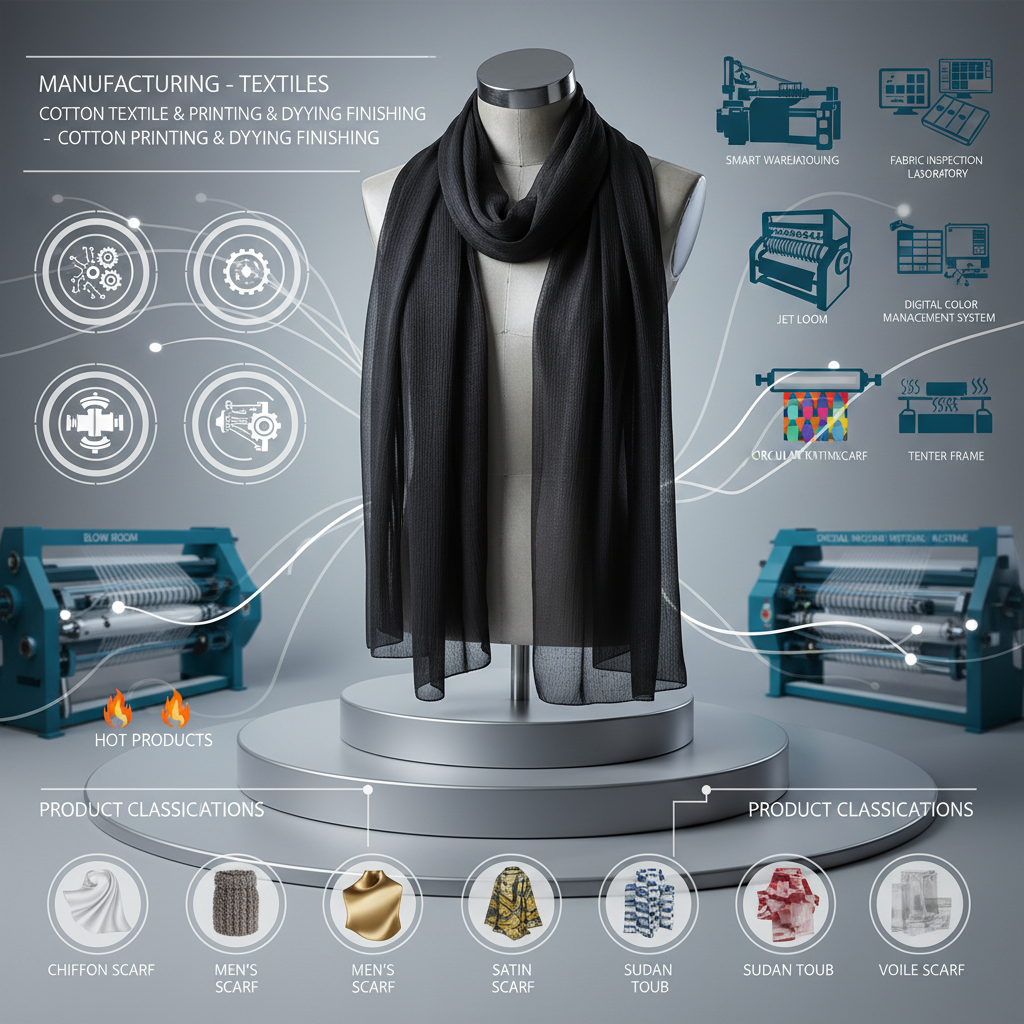
Globally, the demand for dark-toned accessories continues to grow, driven by a shift toward minimalist wardrobes and the enduring appeal of monochromatic palettes. In the context of the cotton textile and dyeing industry, achieving a "true black" that is deep, consistent, and resistant to fading requires advanced chemical engineering and a deep understanding of fabric permeability. This is particularly critical for premium products like Chiffon or Satin, where the interaction between light and pigment defines the perceived luxury of the garment.
However, the industry faces a dual challenge: meeting the high aesthetic expectations of consumers while adhering to increasingly strict environmental regulations regarding dye runoff and water consumption. By focusing on sustainable dyeing techniques and high-grade raw materials, manufacturers can ensure that a black scarf is not only a fashion statement but also a testament to responsible manufacturing and technical excellence in the modern era.
Textile Composition and Material Selection
The foundation of a premium black scarf lies in the selection of the base fabric. Whether utilizing the airy transparency of Chiffon, the structured elegance of Satin, or the breathable comfort of Voile, the fiber's affinity for dye determines the final depth of the color. High-grade cotton blends are often preferred for their ability to absorb pigments deeply, ensuring that the black remains rich and saturated even after multiple washes.
For specialized items like the Sudan Toub or Men's scarves, the material must balance weight and drape. A heavier weave provides a more authoritative look, while a lighter, fine-denier thread allows for a flowing silhouette. The intersection of material science and aesthetic design ensures that the accessory functions effectively in diverse climates, from the arid heat of the Sahel to the chilly winters of Northern Europe.
The Science of Deep Black Dyeing Processes
Achieving a consistent, jet-black hue is one of the most challenging tasks in the dyeing and finishing industry. Unlike lighter colors, black requires a high concentration of dye molecules to fully saturate the fabric fibers. This process often involves multiple immersion cycles and the use of specialized fixing agents to prevent "bleeding" or color migration, which is a common flaw in lower-quality textiles.
In professional cotton printing and dyeing, the use of reactive dyes is standard for a black scarf because they form a covalent bond with the cellulose fibers. This chemical bond ensures that the color is integrated into the structure of the fabric rather than simply sitting on the surface. Precision control of pH levels and temperature during the dyeing phase is critical to avoid uneven patches or "streaking."
Furthermore, the finishing process includes a crucial "soaping" stage to remove unfixed dyes. This ensures that the final product is skin-friendly and does not stain other garments. The transition from a raw white fabric to a deep, light-absorbing black is a delicate balance of chemistry and craftsmanship that defines the professional grade of the textile.
Quality Standards and Durability Metrics
Evaluating the quality of a black scarf requires a rigorous analysis of color fastness. This is typically measured using ISO standards, where the fabric is tested against rubbing (crocking), light exposure, and repeated laundering to ensure the black doesn't fade into a dull grey or shift toward a reddish-brown tint.
The structural integrity of the weave is equally important. A high-quality black scarf must maintain its shape and tension; for instance, in satin weaves, the float threads must be securely locked to prevent snagging, while in voile, the openness of the weave should not compromise the overall strength of the accessory.
Beyond the physical properties, the tactile "hand-feel" serves as a primary indicator of luxury. The application of softeners during the final rinse ensures that the deep black pigment doesn't make the fabric feel stiff or coarse, maintaining the supple drape expected by high-end consumers.
Market Performance across Fabric Types
Different fabric substrates respond uniquely to black pigmentation, influencing their marketability and price points. For example, Chiffon's sheer nature creates a translucent black that is highly sought after for evening wear, whereas the dense weave of a Men's cotton scarf emphasizes a matte, professional finish.
Understanding these variations allows manufacturers to optimize their production lines for specific regional demands, ensuring that the black scarf meets the precise needs of the target demographic, whether it be for formal modesty or casual style.
Performance Rating by Black Scarf Material
Global Applications and Cultural Use Cases
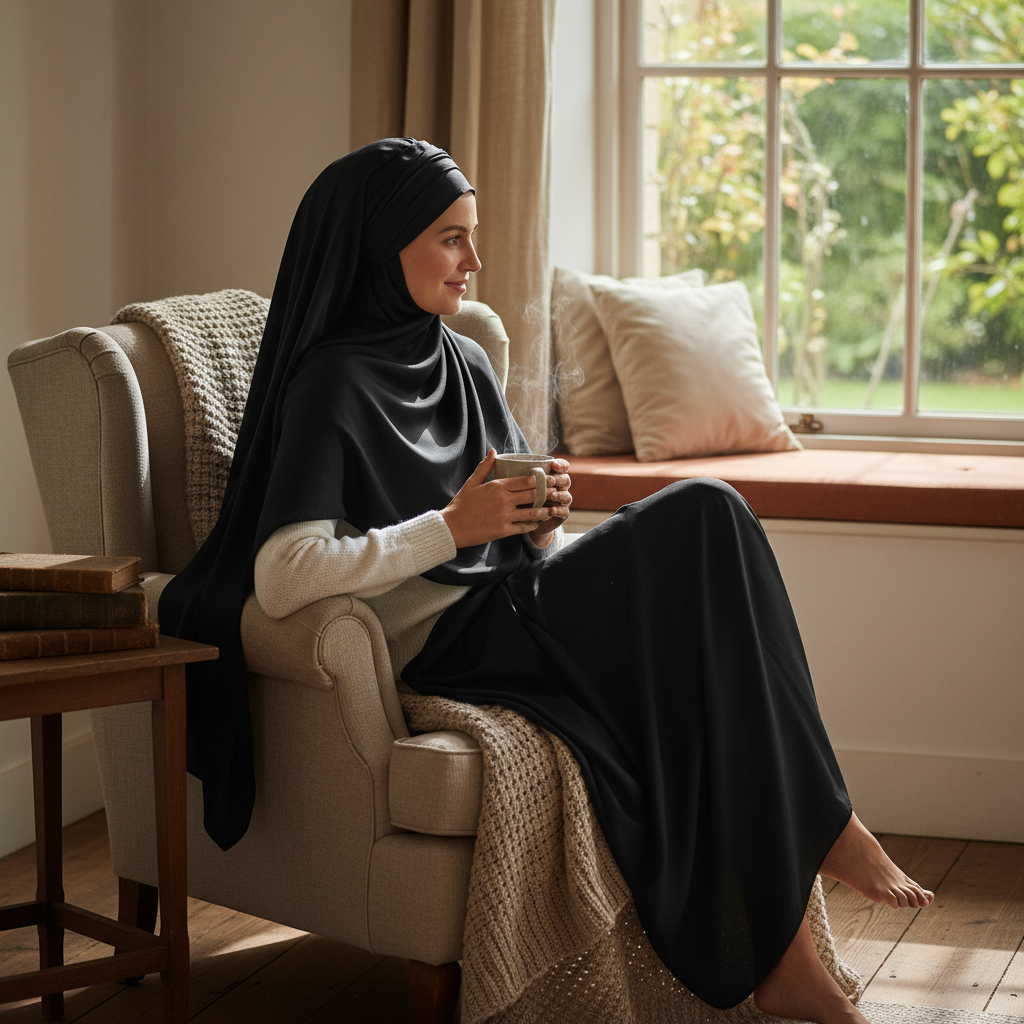
The application of the black scarf varies wildly across different geographies. In West Africa, particularly in Sudan, the black-toned Toub is a mark of status and elegance, blending traditional modesty with contemporary fashion. The ability of the fabric to breathe while maintaining a stark, professional color is paramount in these hot climates.
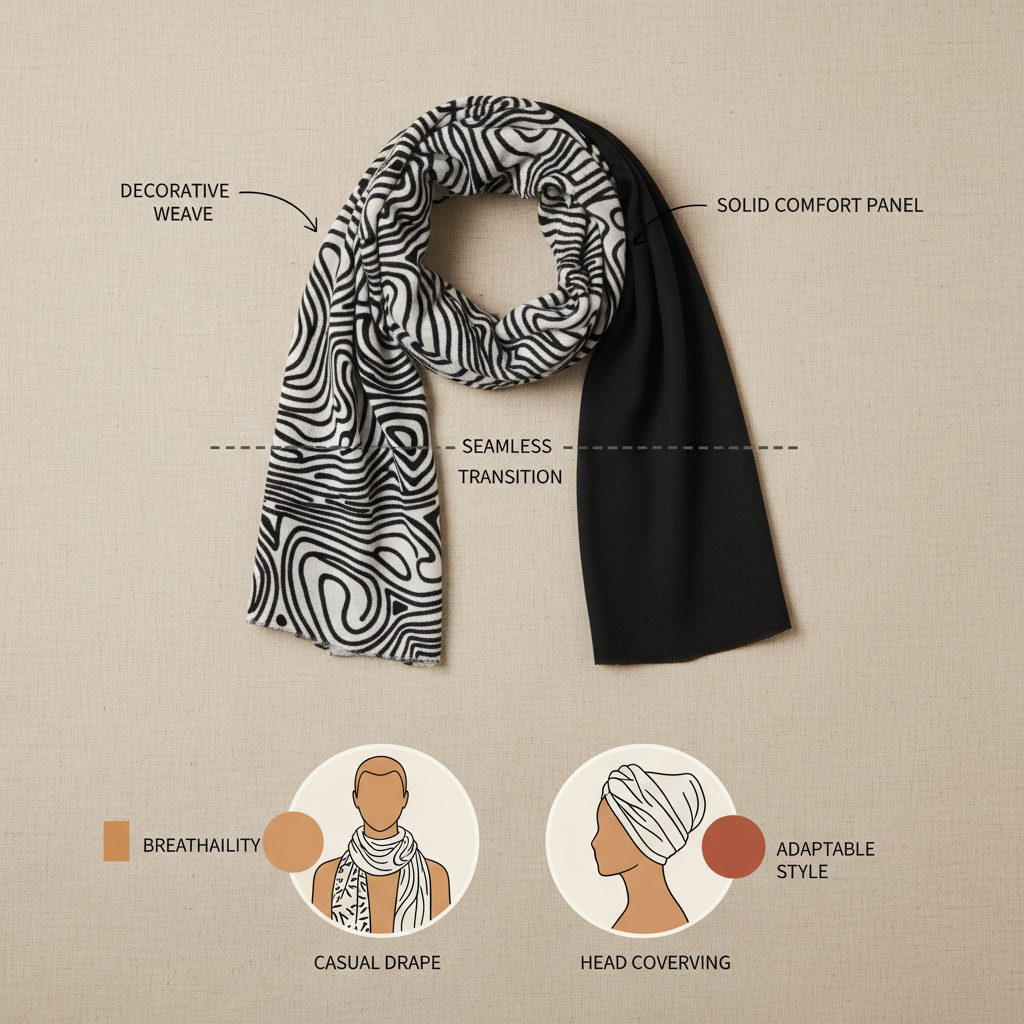
In Western markets, the black scarf is often viewed through the lens of "capsule wardrobes," where its neutrality allows it to be paired with any outfit. From the silk-like sheen of satin scarves used in corporate attire to the lightweight voile used for spring layering, the accessory serves as a versatile tool for self-expression and environmental adaptation.
Long-term Value and Sustainability
Investing in a high-quality black scarf provides significant long-term value due to its timeless nature. Unlike trend-based colors that fade in popularity, black remains permanently relevant. When manufactured with high-density fibers and superior dyes, these accessories avoid the "fast fashion" cycle, reducing waste and providing the user with a reliable garment for years.
From a sustainability perspective, the industry is moving toward "low-liquor ratio" dyeing. This innovation reduces the amount of water needed to achieve a deep black saturation, significantly lowering the environmental footprint of the textile mill. By utilizing closed-loop water systems, manufacturers can recover dyes and minimize the discharge of pollutants into local ecosystems.
Moreover, the shift toward organic cotton and recycled polyester blends for black accessories demonstrates a commitment to ethical sourcing. When a consumer chooses a sustainably produced black scarf, they are supporting a supply chain that values biodiversity and fair labor practices over short-term profit.
Future Innovations in Smart Textiles
The future of the black scarf is being shaped by the integration of nanotechnology. We are seeing the emergence of "super-black" coatings that can absorb up to 99% of visible light, creating a visual depth previously impossible with traditional dyeing. These materials are not only aesthetically striking but also offer improved UV protection for the wearer.
Digital textile printing is also revolutionizing how black patterns are applied. Instead of immersion dyeing, precision ink-jet technology allows for complex black-on-black textures—such as matte black patterns on a satin black base—without the massive water waste associated with traditional screen printing.
Looking further ahead, the integration of conductive fibers into black scarves could allow these accessories to monitor health metrics or regulate temperature. The neutral black color provides the perfect camouflage for these embedded technologies, ensuring that the garment remains a piece of fashion first and a piece of technology second.
Comparative Analysis of Black Scarf Production Technologies
| Technology Type |
Color Saturation |
Eco-Impact |
Production Cost |
| Traditional Vat Dyeing |
Very High |
High Water Use |
Low |
| Reactive Dyeing |
High |
Moderate |
Medium |
| Digital Printing |
Medium |
Low |
High |
| Nano-Coating |
Absolute Black |
Low to Moderate |
Very High |
| Eco-Friendly Natural Dye |
Medium-Low |
Very Low |
Medium |
| Closed-Loop System |
High |
Very Low |
High Initial Setup |
FAQS
This occurs due to the use of "composite blacks," where a mixture of blue, red, and yellow dyes is used to create the black hue. If the blue pigments are less stable, they fade first, leaving the warmer red/brown tones behind. High-quality scarves use high-grade reactive dyes that maintain their bond more effectively.
Voile and Chiffon are the best choices. Voile offers superior breathability and moisture-wicking properties, while Chiffon provides a lightweight, airy feel. Both can be dyed deep black while remaining comfortable in high temperatures.
We recommend washing in cold water with a pH-neutral detergent specifically designed for dark fabrics. Avoid direct sunlight when drying, as UV rays break down the dye molecules, and always wash the garment inside out to minimize surface friction.
Yes, generally. The high luster and smooth surface of satin reflect light in a way that conveys luxury and formality, making it ideal for evening wear or corporate events. Cotton provides a matte finish that is more suitable for professional daily wear or casual settings.
Yes, the industry is adopting bio-based dyes and low-impact reactive dyes that require less salt and water. Additionally, closed-loop dyeing systems allow factories to recycle nearly 95% of the water used in the process.
Check the "hand-feel" and the consistency of the color. High-quality cotton will feel soft but substantial, and the black color will be uniform across the entire surface without any streaks or pale patches, even when stretched.
Conclusion
The black scarf is far more than a simple accessory; it is a complex product of textile engineering, cultural heritage, and artistic vision. From the critical selection of fibers like Chiffon and Satin to the rigorous application of reactive dyes, every step in the production process determines the final quality, longevity, and aesthetic appeal of the garment. By balancing traditional craftsmanship with modern sustainable practices, the industry continues to provide a product that meets the global demand for elegance and modesty.
As we look toward the future, the integration of smart textiles and eco-conscious manufacturing will only enhance the value of these timeless pieces. For businesses and consumers alike, the focus should remain on quality over quantity, favoring garments that offer durability and environmental responsibility. We invite you to explore the pinnacle of textile excellence and discover the perfect accessory for any occasion. Visit our website: www.hbweiweitex.com.