The timeless allure of a black scarf women prefer often lies in its unmatched versatility and symbolic power. In the world of textile manufacturing, specifically within the intricate processes of cotton printing and dyeing, the quest for the "perfect black" is a technical challenge that merges art with chemical precision. From formal corporate attire to casual street style, this accessory remains a global staple that transcends seasonal trends.
Understanding the nuances of material selection—whether it be the breathability of a Voile scarf or the luxurious sheen of a Satin scarf—is crucial for consumers and designers alike. The global demand for high-quality black scarves is driven by a need for accessories that offer both aesthetic sophistication and functional durability. As the fashion industry pivots toward sustainability, the methods used to achieve deep, lasting black hues are evolving to be more eco-friendly.
For professional buyers and fashion enthusiasts, the value of a black scarf women wear depends on the intersection of fabric grade, dye fastness, and weaving technique. This guide explores the industrial standards and stylistic advantages of these essential pieces, providing a comprehensive look at how the right textile choices impact the final wearer experience.
Material Excellence in Black Scarves
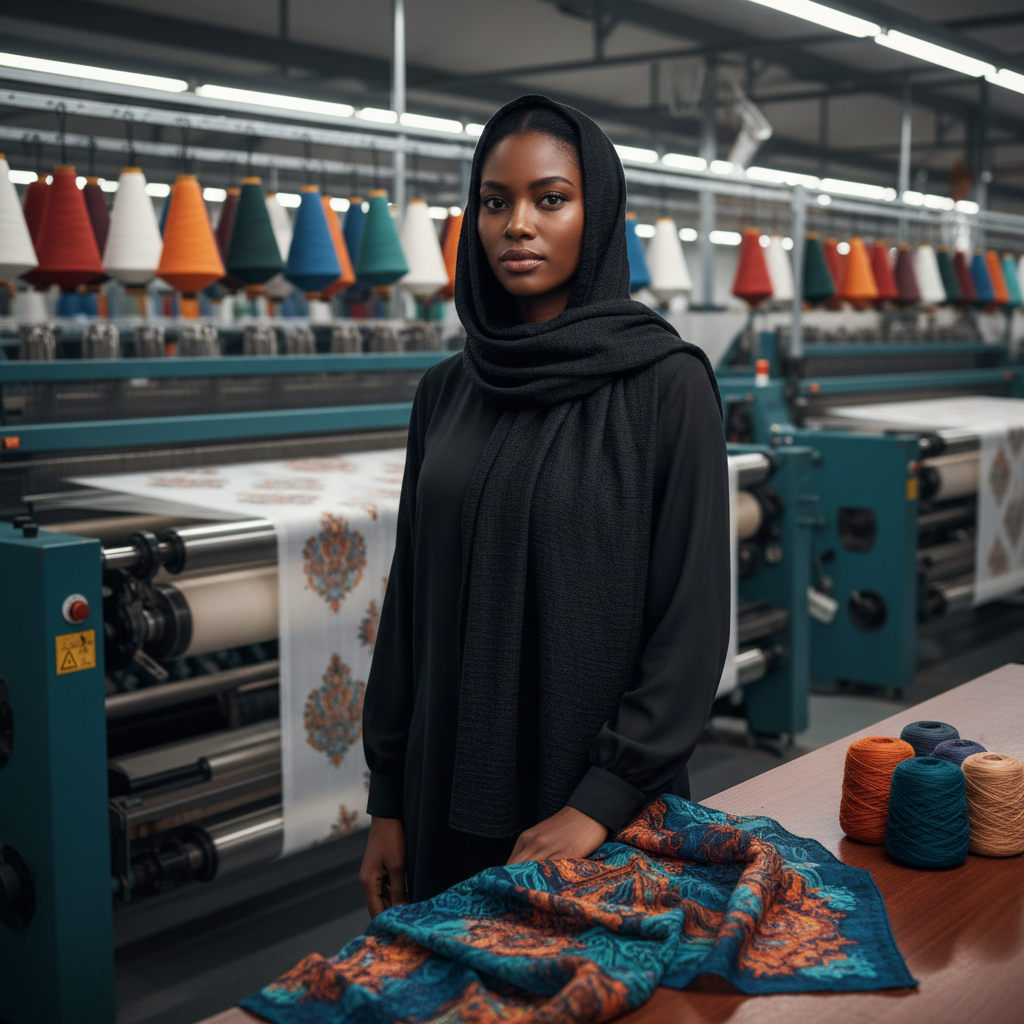
The foundation of any premium black scarf women choose starts with the fiber. In the cotton printing and dyeing industry, the purity of the raw cotton determines how the fabric absorbs dye. High-grade long-staple cotton allows for a smoother surface, which minimizes light reflection and results in a deeper, more saturated black appearance.
Different weaves, such as the lightweight transparency of a Chiffon scarf or the structured elegance of a Satin scarf, change the visual depth of the color. While Chiffon offers a soft, ethereal quality, Satin provides a high-contrast luster that makes the black tone appear more dynamic under different lighting conditions.
Dyeing Techniques for Deep Black Tones
Achieving a consistent and light-fast black is one of the most challenging tasks in the textile industry. Most black scarf women prefer utilize reactive dyes, which form a covalent bond with the cellulose fibers. This ensures that the scarf does not bleed or fade quickly after multiple washes, maintaining its "midnight" intensity over time.
The process involves precise temperature control and pH balancing within the dyeing vats. If the temperature fluctuates by even a few degrees, the black can shift toward a navy or brownish tint. This is why industrial-grade precision is required to ensure that every batch of scarves matches the master sample exactly.
Furthermore, the finishing process—including softening agents and anti-static treatments—ensures that the black fabric feels luxurious against the skin. The synergy between the chemical dye and the mechanical finish determines whether the final product is perceived as a budget accessory or a luxury garment.
Versatility Across Global Fashion Markets
The global demand for the black scarf women wear is remarkably consistent across diverse cultures. In Western markets, it is often viewed as a professional staple for corporate environments, while in regions like the Middle East or Africa (particularly for the Sudan Toub), it serves as a blend of cultural tradition and modern modesty.
From a commercial perspective, the black colorway reduces the risk for retailers, as it is the highest-selling variant across nearly all scarf categories. Whether it is a Voile scarf for summer or a heavier weave for winter, the neutral nature of black allows it to integrate seamlessly into any wardrobe, making it a low-risk, high-return product for wholesalers.
Moreover, the adoption of black scarves in high-fashion runways has reinforced their status as a symbol of elegance and mystery. By pairing various textures—such as a matte cotton black with a glossy satin black—designers create sophisticated layers that highlight the technical versatility of the black scarf women collection.
Performance Metrics of Different Fabrics
When analyzing the efficacy of a black scarf women accessory, we must look at key performance indicators such as breathability, drape, and color retention. A Voile scarf excels in heat dissipation, making it ideal for tropical climates, whereas a Satin scarf is prioritized for its luxurious aesthetic and smoothness.
The following data illustrates how different fabric types perform across key quality metrics, providing a clear guide for selection based on the intended use case.
Fabric Performance for Black Scarf Women
Sustainable Manufacturing Practices
The textile industry is under immense pressure to reduce the environmental footprint of dyeing processes. For the production of a black scarf women, this means moving away from heavy-metal dyes and toward organic, biodegradable alternatives that maintain the same deep pigmentation without polluting local waterways.
Innovative water-recycling systems in modern mills now allow for the closed-loop reuse of dyeing baths. By implementing these technologies, manufacturers can significantly reduce the volume of water required to produce each batch of black scarves, aligning commercial success with ecological responsibility.
Styling and Functional Applications
The utility of a black scarf women extends far beyond simple ornamentation. In practical terms, a black scarf serves as an excellent shield against dust and pollution in urban environments, while its light-absorbing properties can provide a layer of warmth during transitional seasons.
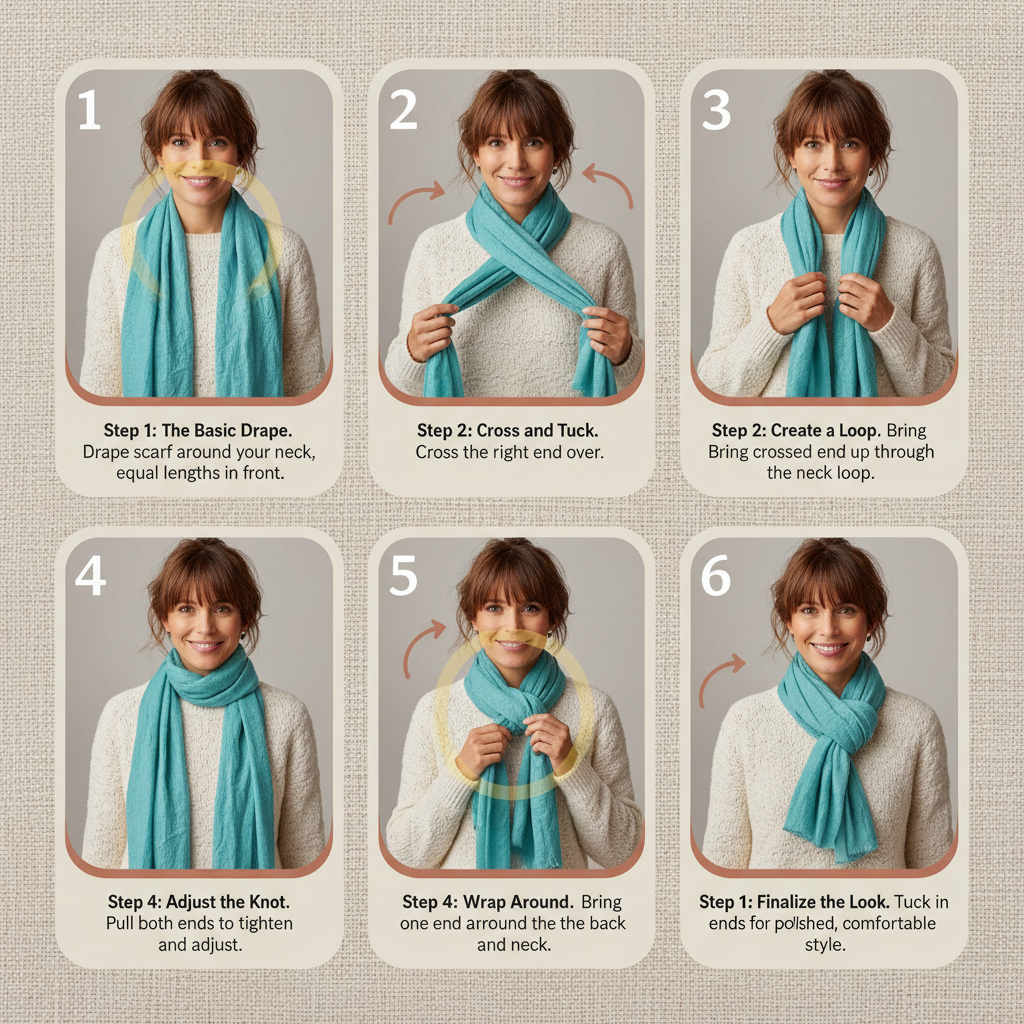
Stylistically, the "all-black" look is a timeless trend. Whether draped loosely over the shoulders for a relaxed feel or tied in a sophisticated knot for a formal event, the black scarf acts as a visual anchor, allowing other colors in an outfit to pop while maintaining an overall sense of cohesion.
Furthermore, the integration of black scarves into professional uniforms—such as in the aviation or hospitality sectors—highlights their role in conveying authority, cleanliness, and timeless professionalism. The choice of fabric here is critical; a breathable Voile is preferred for long shifts to ensure the wearer's comfort.
Future Innovations in Textile Dyeing
As we look toward the future, the production of the black scarf women prefer will be revolutionized by digital textile printing and nano-dyeing. These technologies allow for a more precise application of color, reducing dye waste and eliminating the need for multiple rinse cycles, which traditionally consume vast amounts of water.
Another emerging trend is the use of "smart fabrics" that can adjust their thermal properties based on the environment. Imagine a black scarf that remains cool in the sun but retains heat in the cold, all while maintaining a deep, luxurious black hue that never fades.
The shift toward circular fashion also means that recycled cotton and polyester blends are becoming more common. The challenge lies in ensuring that recycled fibers can be dyed to the same intense black as virgin cotton—a goal that is currently being met through advanced plasma treatment of fibers.
Comparative Analysis of Future Black Scarf Technologies
| Technology Type |
Dye Efficiency |
Environmental Impact |
Color Depth Score |
| Traditional Vat Dyeing |
Moderate |
High Water Use |
9/10 |
| Digital Inkjet Printing |
Very High |
Low Waste |
7/10 |
| Nano-Pigment Coating |
High |
Moderate |
8/10 |
| Plasma-Enhanced Dyeing |
High |
Very Low |
10/10 |
| Organic Plant-Based Dye |
Low |
Minimal |
6/10 |
| Closed-Loop Recycling |
Moderate |
Low |
8/10 |
FAQS
To maintain the deep hue of a black scarf women wear, always wash it in cold water using a detergent specifically designed for dark colors. Avoid direct sunlight when drying, as UV rays can break down the chemical bonds of the dye, leading to a reddish or greyish tint. Air drying in a shaded area is highly recommended.
For warm climates, a Voile or Chiffon black scarf is the best choice. These fabrics are lightweight and offer high breathability, allowing air to circulate while providing the desired aesthetic coverage. Cotton Voile, in particular, absorbs moisture and dries quickly, making it ideal for summer wear.
Yes, generally. The natural luster and smooth drape of satin create a more luxurious and polished appearance, making it suitable for evening events, weddings, or high-level business meetings. Cotton black scarves are perceived as more casual and versatile for everyday wear.
Absolutely. One of the primary benefits of the black scarf women prefer is its adaptability. Pair it with a blazer for a professional look, or drape it over a simple T-shirt and jeans for a chic, casual ensemble. The key is in the fabric choice and the way it is tied.
Jet black is a deep, saturated hue with minimal undertones, achieved through high-concentration reactive dyes. Charcoal black has a slight greyish undertone and is often the result of a different dye blend or a deliberate design choice to create a softer, more muted appearance.
Check for color uniformity—there should be no streaks or pale patches. Stretch the fabric slightly to see if the color remains consistent (no "white" gaps in the weave). Additionally, high-quality scarves will have finished edges (hemmed or rolled) to prevent fraying, and the fabric will feel consistent in weight throughout.
Conclusion
In summary, the black scarf women choose is far more than a simple fashion accessory; it is a product of sophisticated textile engineering. From the precision of cotton printing and dyeing to the strategic selection of fabrics like Satin and Voile, every detail contributes to the garment's longevity and aesthetic appeal. We have explored how material quality, dyeing techniques, and global market trends converge to make the black scarf an enduring symbol of elegance and versatility.
As the industry moves toward a more sustainable and technologically advanced future, we expect to see a rise in eco-friendly dyes and smart textiles that enhance the user experience without compromising the planet. For those seeking the perfect balance of quality and style, investing in high-grade, ethically manufactured black scarves is the way forward. Discover the ultimate collection of premium scarves by visiting our website: www.wwscarf.com.