Feb . 27, 2026 16:01 Back to list
The Beauty and Meaning of Muslim Abaya in Modern Life
For many women around the world, the muslim abaya design is more than a fashion statement—it is a reflection of faith, culture, and identity. The abaya has long been an essential part of Islamic clothing traditions, especially for women who value modesty and spiritual devotion. From daily wear to special occasions, the muslim abaya gown continues to evolve while maintaining its deep religious and cultural roots.
For Muslim communities, wearing an abaya is not simply about clothing. It is connected to modesty (haya), dignity, and obedience to religious principles. Many women choose to wrap themselves fully, including covering the head, as part of their personal expression of faith and customary practice. Today, the abaya represents a harmonious balance between tradition and contemporary elegance.
The Cultural and Religious Significance of the Muslim Abaya Style
The muslim abaya style has developed over centuries across different regions such as the Middle East, South Asia, and North Africa. While designs may vary, the purpose remains consistent: to provide modest coverage in accordance with Islamic values.
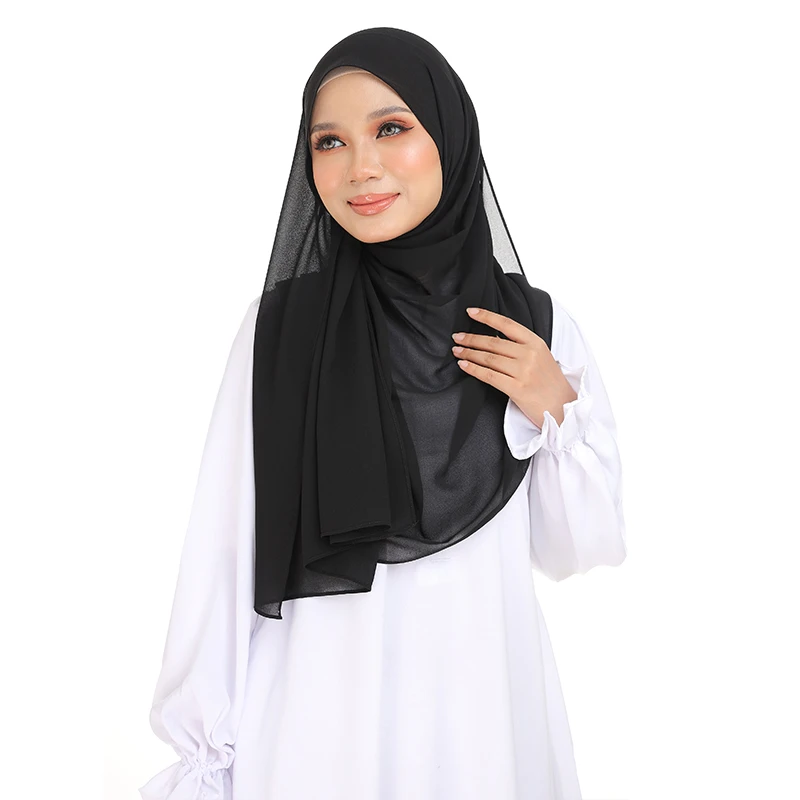
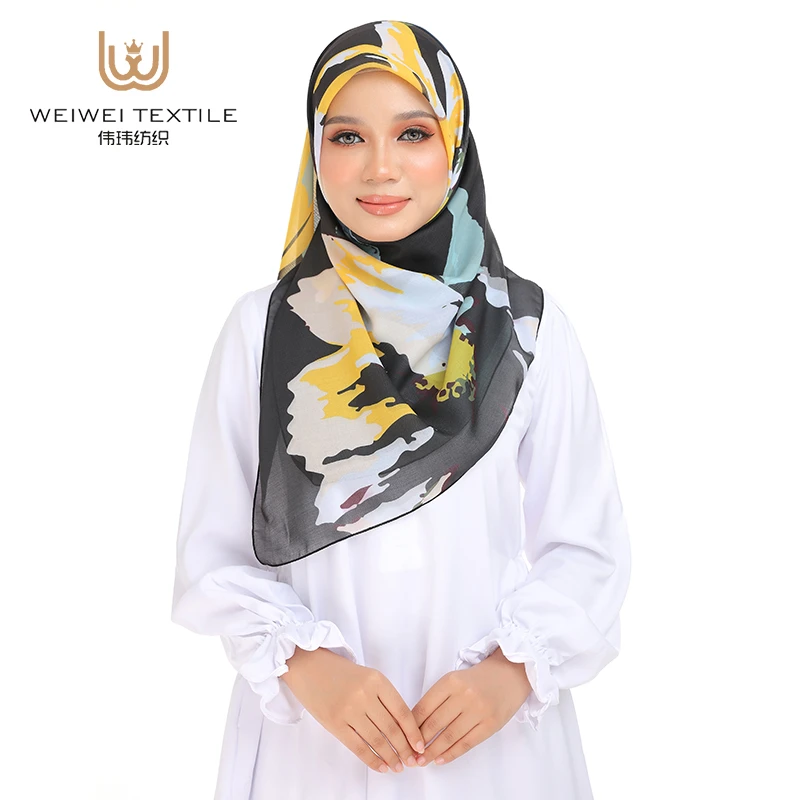
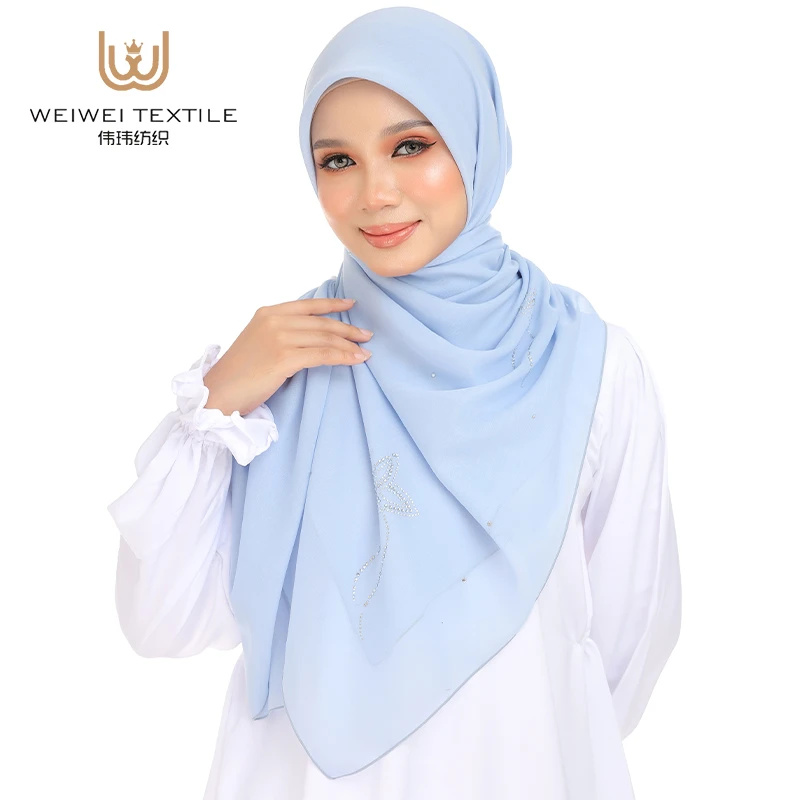
In many Muslim-majority countries, the abaya is worn as daily attire. Women often pair it with a hijab or headscarf, covering their hair as part of religious observance and cultural custom. This practice is rooted in Islamic teachings that emphasize modest dress for both men and women. For Muslim women, wearing a muslim black abaya is especially common, as black has traditionally symbolized simplicity, humility, and elegance.
The abaya also serves as a symbol of unity among Muslim women. Whether in Saudi Arabia, the United Arab Emirates, Malaysia, or Western countries with Muslim communities, the abaya creates a shared identity. However, styles differ based on climate, social customs, and personal preferences. Some women prefer loose, flowing gowns, while others choose tailored cuts with subtle embroidery.
Importantly, the abaya empowers many Muslim women by allowing them to participate fully in society while maintaining modesty. It supports professional life, education, and social engagement without compromising religious values.
Types and Variations of Muslim Abaya Design
Modern fashion has introduced a wide variety of muslim clothing abaya options while preserving traditional principles. Designers now create garments suitable for daily activities, formal gatherings, and religious occasions.
1. Everyday Abayas
For daily wear, women often choose lightweight fabrics such as crepe or chiffon. A muslim female abaya for everyday use is typically simple, comfortable, and breathable. Neutral tones like black, navy, and beige remain popular, but soft pastels and earth tones are also gaining acceptance.
2. Open Abayas
The muslim open abaya is a contemporary variation worn over other clothing. It resembles a long, flowing coat and can be styled with dresses or modest trousers. This style is especially popular among younger Muslim women who seek versatility. It allows layering while maintaining modest coverage.
3. Prayer Abayas
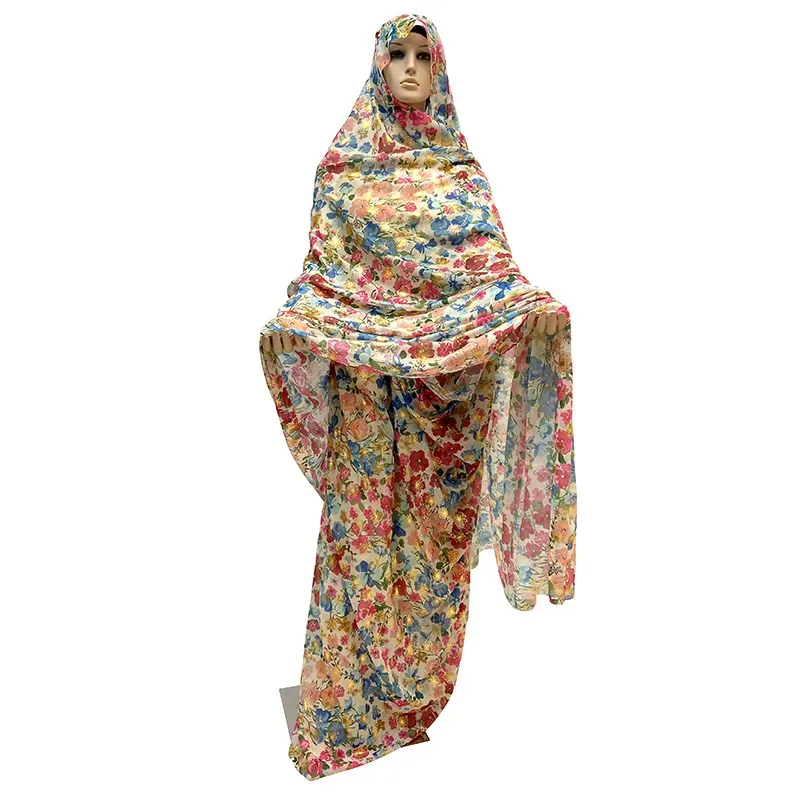
A muslim prayer abaya is specifically designed for worship. These garments are usually loose-fitting and may include an attached head covering for convenience. Comfort and modesty are prioritized, ensuring that women can focus fully on prayer without distraction.
4. Wedding and Formal Abayas
For special occasions, such as weddings or Eid celebrations, women may choose a muslim wedding abaya. These garments often feature intricate embroidery, lace, pearls, or delicate beadwork. While remaining modest, they express joy and celebration through elegant craftsmanship.
The evolution of the muslim abaya gown demonstrates how Islamic clothing can adapt to modern trends without losing its core purpose. Designers today blend traditional silhouettes with refined details, making the abaya both timeless and fashionable.
Choosing the Right Muslim Wear Abaya for Different Occasions
Selecting the right muslim wear abaya depends on lifestyle, climate, and personal preference. For work or school, breathable and wrinkle-resistant fabrics are practical. For travel, lightweight materials that allow easy movement are ideal.
When choosing a muslim black abaya, many women consider fabric quality and tailoring. A well-made abaya drapes elegantly and provides comfort throughout the day. Details such as sleeve design, neckline style, and subtle embellishments can enhance overall appearance while maintaining modesty.
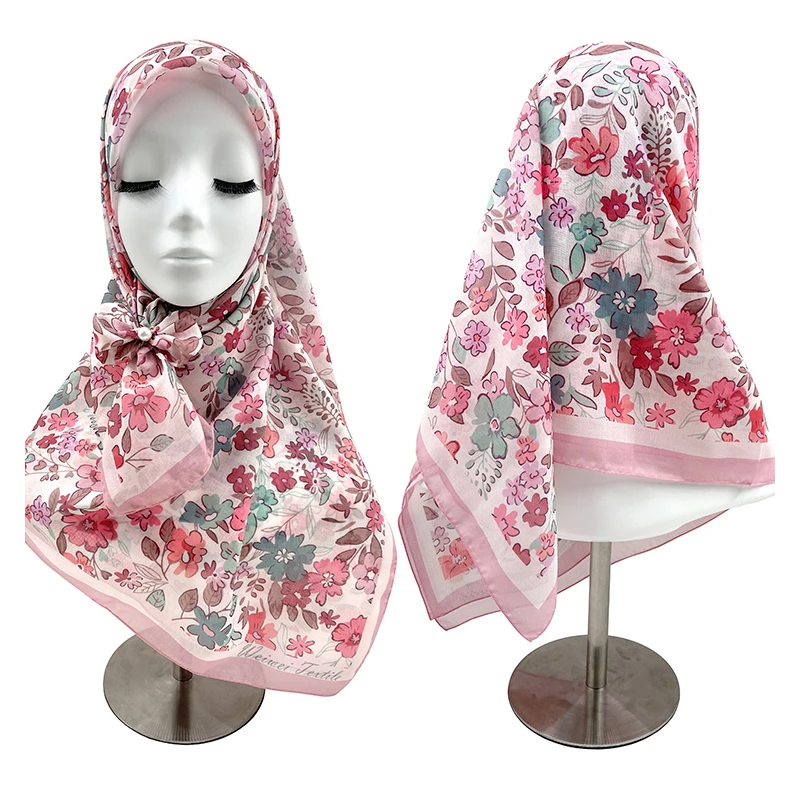
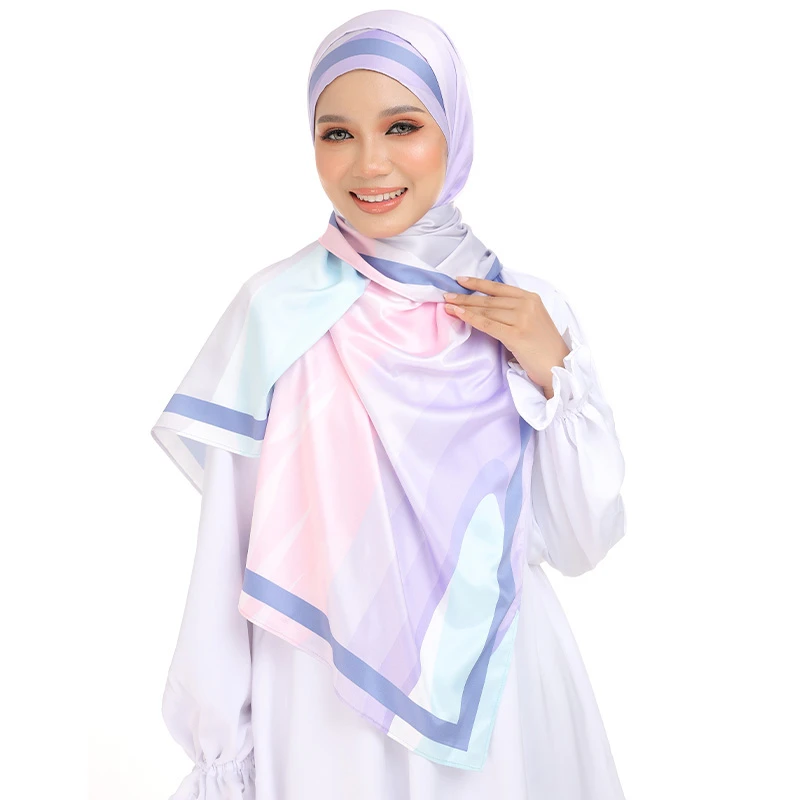
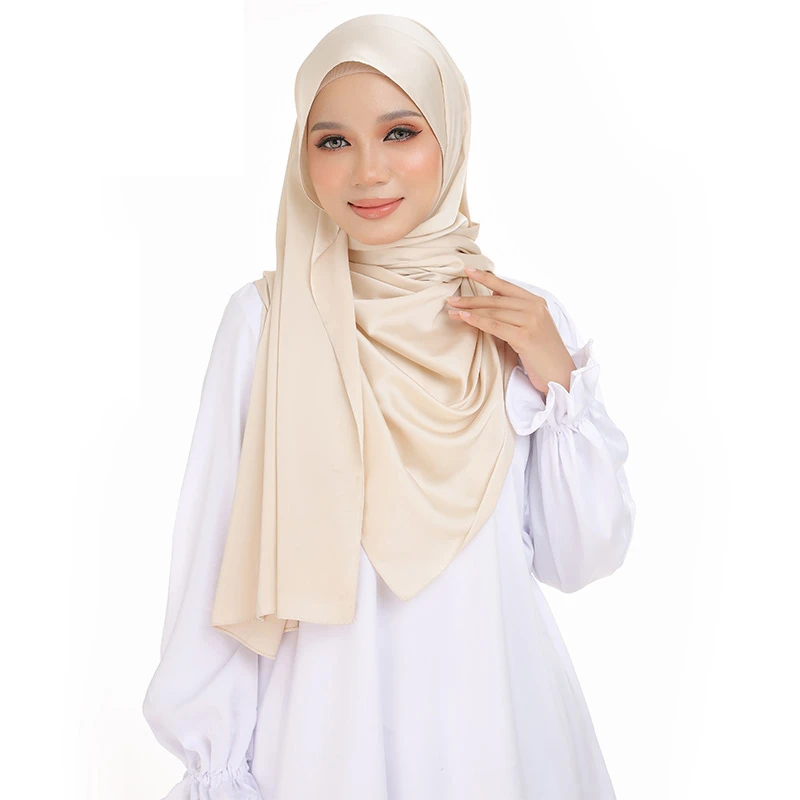
For women who prefer full coverage, head-to-toe sets that include matching scarves are widely available. The practice of wrapping the head remains a meaningful cultural and religious expression for many Muslim women. It reflects devotion, self-respect, and belonging within the community.
The beauty of the muslim abaya style lies in its flexibility. It allows women to express individuality within the framework of modest fashion. Some prefer minimalist designs, while others enjoy decorative patterns. Regardless of choice, the intention remains rooted in faith and respect for tradition.
The Global Influence of Muslim Abaya Fashion
In recent years, modest fashion has gained global attention. International designers and brands now recognize the growing demand for modest clothing. Social media platforms have also allowed Muslim women to share their personal interpretations of muslim abaya design, inspiring others worldwide.
The muslim clothing abaya industry has expanded significantly, offering online stores, custom tailoring, and diverse collections. This growth reflects the dynamic nature of Muslim communities, who seek clothing that aligns with both faith and modern lifestyles.
At its core, the abaya remains a garment of dignity and devotion. Whether worn as a muslim prayer abaya, an elegant muslim wedding abaya, or a simple everyday muslim female abaya, it carries deep meaning.
The abaya is far more than a garment—it is a symbol of identity, modesty, and spiritual commitment. From the traditional muslim black abaya to contemporary muslim open abaya designs, the garment continues to evolve while honoring Islamic principles.
For Muslim women around the world, wearing a muslim wear abaya represents both faith and cultural heritage. It allows them to move confidently through daily life, wrapped in modesty and grace. As fashion continues to develop, the timeless elegance of the muslim abaya gown will remain a cherished part of Muslim tradition for generations to come.
-
Xinji Weiwei Textile Factory to Exhibit at the 139th Canton Fair
NewsApr.15,2026
-
Abaya Robe: Tradition, Elegance, and Daily Cultural Expression
NewsApr.15,2026
-
Satin Scarves and Hijabs: A Reflection of Tradition, Elegance, and Daily Practice
NewsApr.15,2026
-
Chiffon Scarf Hijab: A Blend of Tradition, Style, and Everyday Practice
NewsApr.15,2026
-
Exploring Hijab Fashion in Malaysia: Tradition, Style, and Daily Cultural Practice
NewsApr.15,2026
-
The Cultural Significance and Style of Voile Scarves and Shawls in Daily Muslim Wear
NewsApr.15,2026