Feb . 27, 2026 16:03 Back to list
The Elegance and Cultural Meaning of Satin Scarf Wholesale for Muslim Women
For Muslim women around the world, the headscarf is more than a simple accessory—it is a meaningful expression of faith, modesty, and cultural identity. Covering the hair as part of daily life is a long-standing custom rooted in religious teachings and tradition. Today, scarves made from satin and silk fabrics have become increasingly popular because of their smooth texture, graceful drape, and elegant shine. Whether purchased individually or through satin scarf wholesale, these scarves play an important role in everyday modest wear.
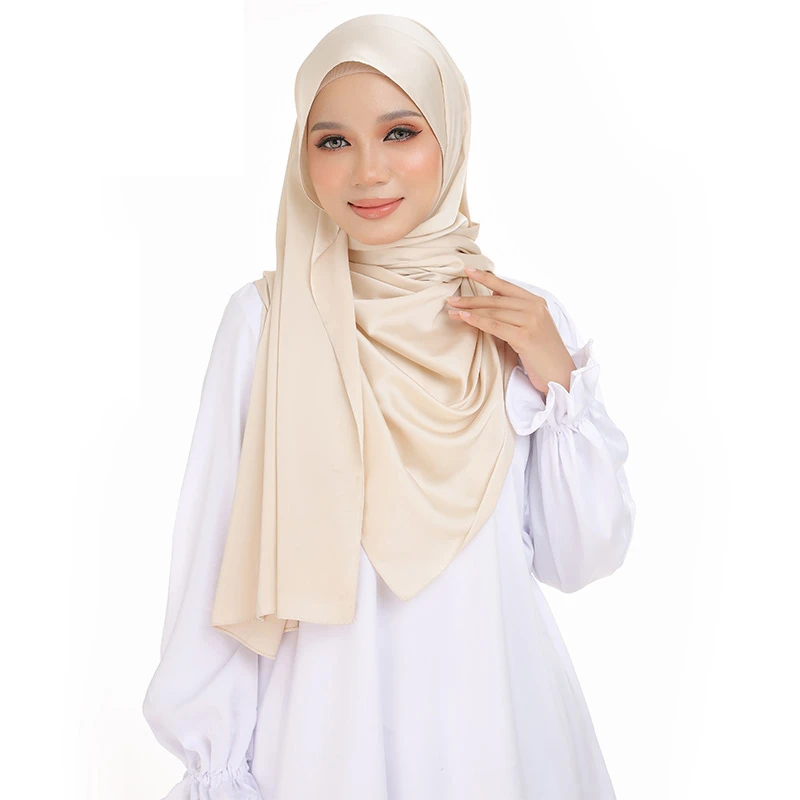
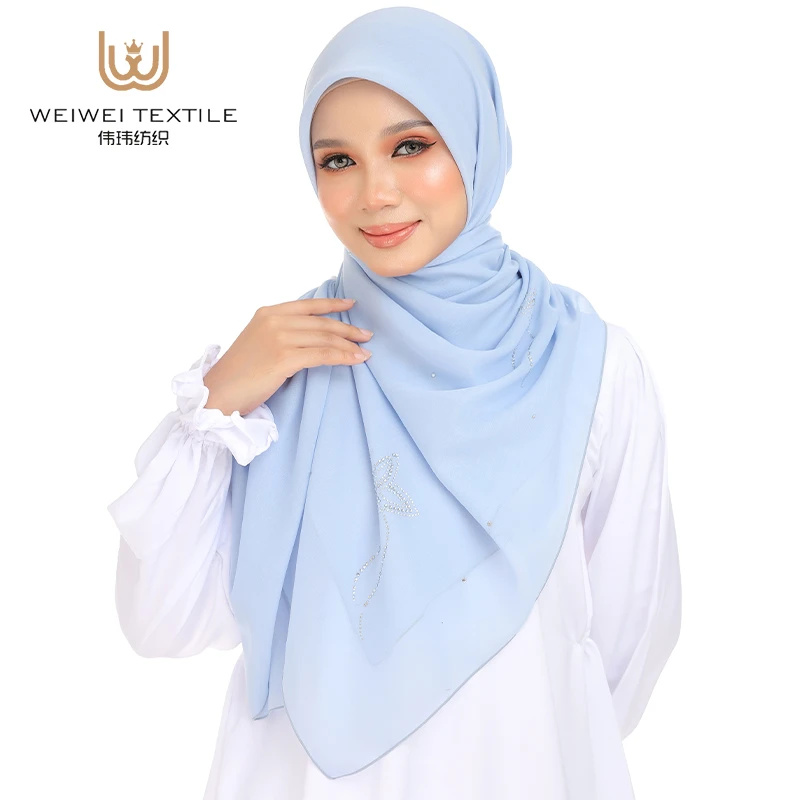
The beauty of a satin silk scarf lies in its combination of softness and sophistication. Satin offers a smooth, glossy finish, while silk adds natural breathability and comfort. For Muslim women who wear a scarf throughout the day—at work, school, prayer, or social gatherings—fabric quality matters greatly. A well-made satin scarf protects the hair, feels gentle against the skin, and maintains a polished appearance.
The Cultural Significance of the Satin Head Scarf in Muslim Daily Life
In Islamic tradition, modest dressing is a reflection of humility and devotion. For many women, wrapping the head daily is both a spiritual practice and a cultural custom passed down through generations. The headscarf symbolizes dignity, respect, and belonging within the Muslim community.
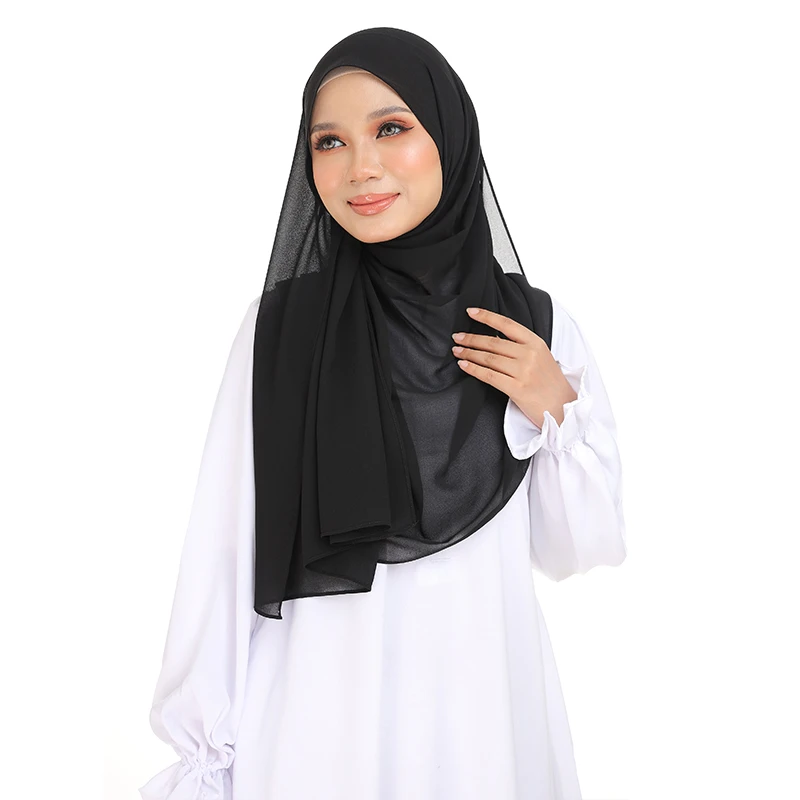
A black satin head scarf remains one of the most classic and versatile choices. Black represents simplicity and elegance, making it suitable for daily wear, professional settings, and religious occasions. The satin fabric adds a subtle shine that enhances the overall look without being overly decorative.
Beyond black, color also plays an important role in personal expression. An orange satin scarf can bring warmth and vibrancy to an outfit, especially during festive seasons or family gatherings. A red satin scarf often symbolizes confidence and celebration, making it popular during holidays such as Eid or wedding events. Meanwhile, a green satin scarf carries special meaning in Islamic culture, as green is traditionally associated with paradise and spiritual renewal.
The choice of scarf color allows Muslim women to express individuality while maintaining modesty. Although styles may vary across regions—from the Middle East to Southeast Asia, Africa, Europe, and North America—the shared practice of covering the head unites Muslim women globally.
Fabric Quality and the Beauty of Chinese Silk Scarf Craftsmanship
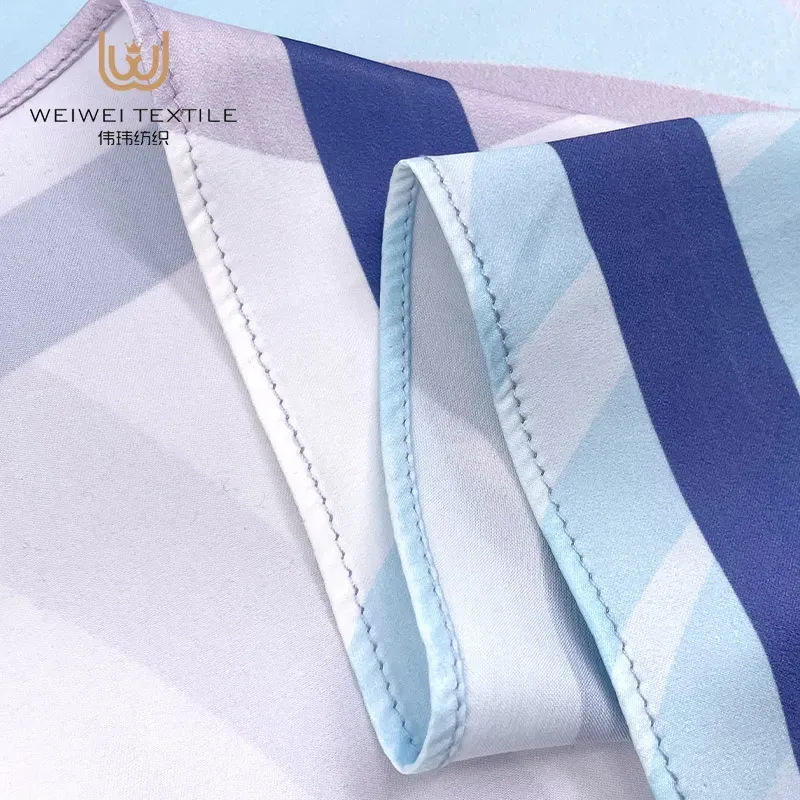
When choosing a headscarf for daily use, comfort and durability are essential. A high-quality satin silk scarf should be lightweight yet opaque, breathable yet structured enough to stay in place throughout the day. Silk-based satin fabrics are especially valued for their natural softness and temperature regulation, keeping the wearer comfortable in both warm and cool climates.
The tradition of silk production has a long and respected history, particularly in China. A finely crafted chinese silk scarf reflects centuries of textile expertise. Chinese silk is known for its smooth texture, strong fibers, and luxurious finish. When combined with satin weaving techniques, it produces scarves that are both elegant and long-lasting.
For Muslim women who wear scarves daily, investing in quality materials ensures better hair protection. Satin and silk help reduce friction, minimize hair breakage, and prevent dryness. This practical benefit makes satin scarves not only beautiful but also functional.
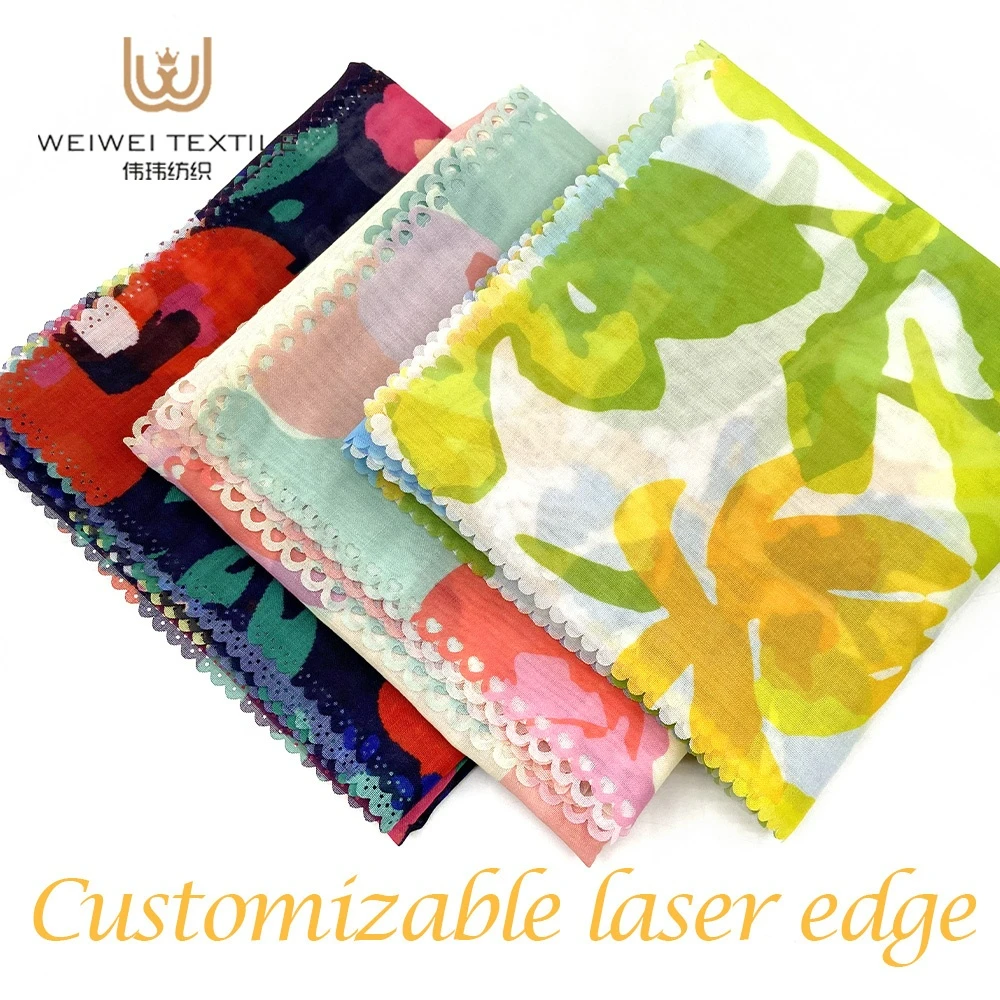
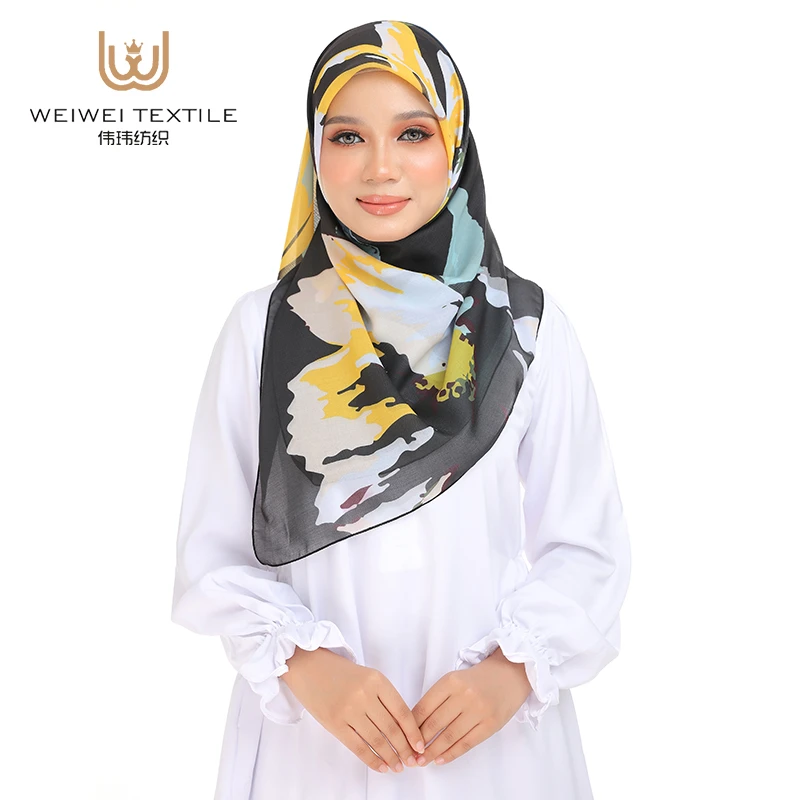
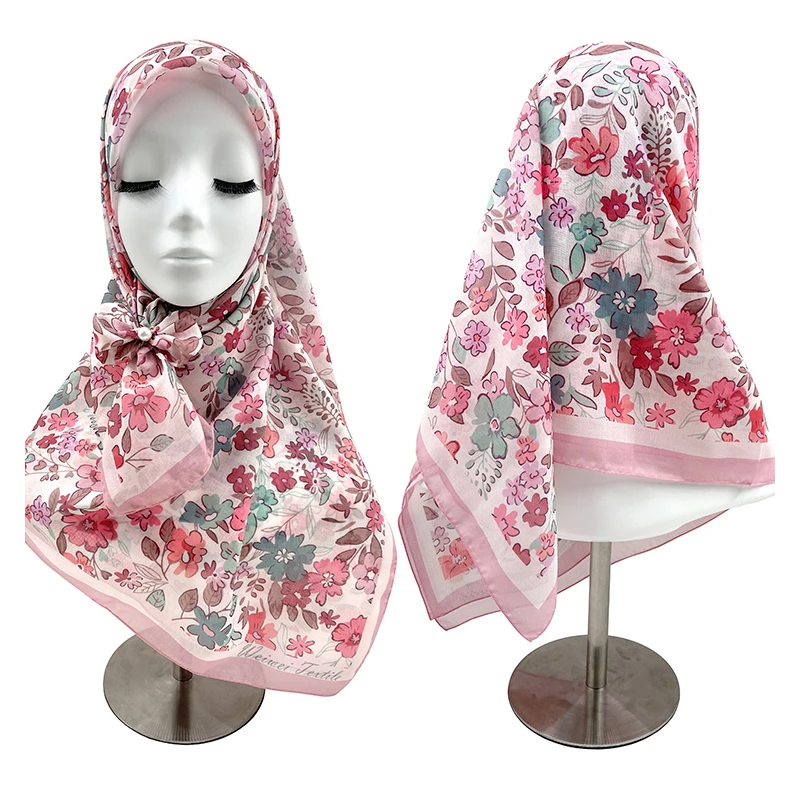
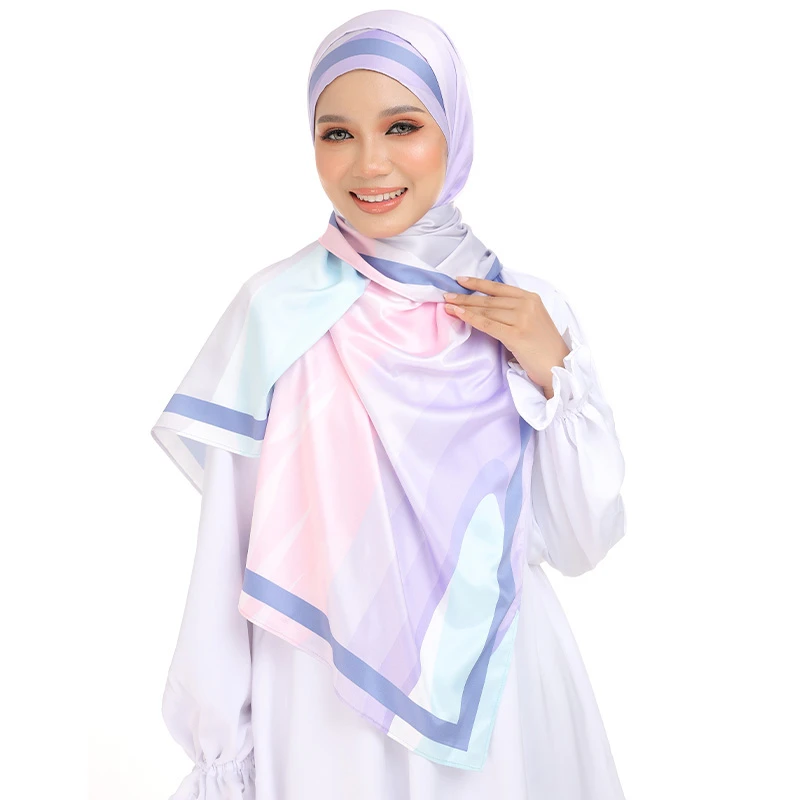
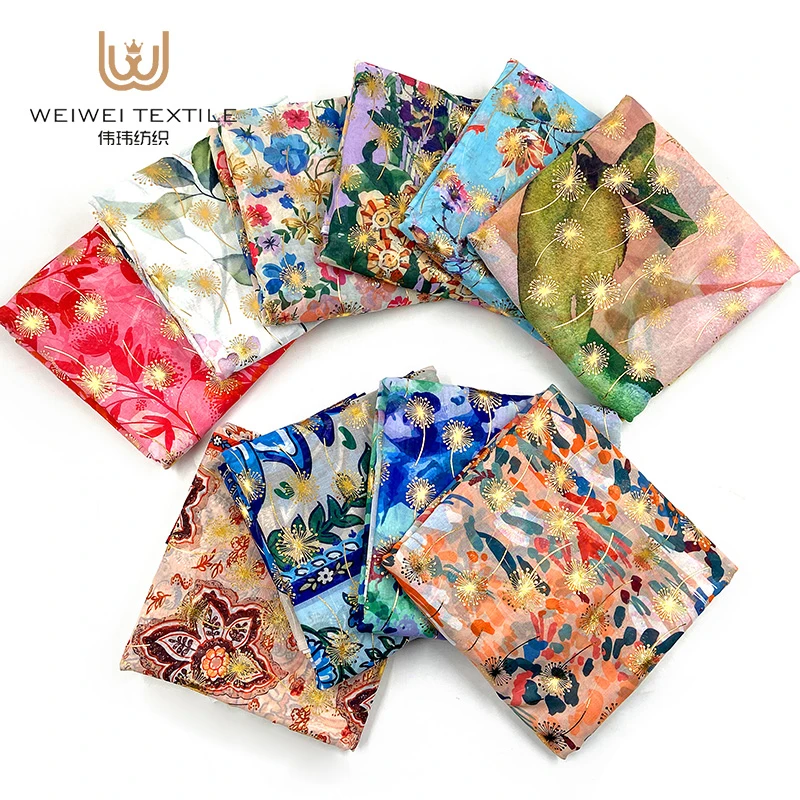
In addition to plain designs, a printed satin scarf offers artistic detail while maintaining modesty. Floral patterns, geometric motifs, and subtle abstract prints allow women to coordinate their scarves with different outfits. Printed satin scarves are especially popular among younger generations who appreciate modern aesthetics while honoring traditional values.
Purchasing through satin scarf wholesale suppliers also allows communities, retailers, and small businesses to provide affordable options to Muslim women. Wholesale access ensures that high-quality scarves are available for everyday wear, prayer gatherings, schools, and special events.
Personal Expression Through Custom Satin Scarf Designs
As modest fashion continues to grow worldwide, customization has become increasingly important. A custom satin scarf allows women to select specific colors, patterns, sizes, and finishes that suit their personal preferences. Customization can also reflect cultural identity, family traditions, or special occasions.
For example, during weddings or religious celebrations, coordinated scarves in matching shades—such as red satin scarf or green satin scarf tones—create a harmonious and elegant look among family members. For community organizations or Islamic schools, ordering satin scarf wholesale with customized logos or uniform colors promotes unity and shared identity.
A printed satin scarf can also be personalized with meaningful patterns, calligraphy-inspired art, or subtle motifs that reflect faith and heritage. Custom designs allow Muslim women to maintain modest coverage while expressing creativity and confidence.
The versatility of satin makes it suitable for multiple wrapping styles. Some women prefer a loose drape over the shoulders, while others opt for a structured wrap secured neatly around the face. The smooth texture of a black satin head scarf or a vibrant orange satin scarf allows for elegant folds that frame the face beautifully.
Moreover, satin scarves transition seamlessly from daily routines to formal settings. A simple satin silk scarf can be worn at work during the day and styled more elaborately for an evening gathering. This flexibility makes satin scarves a practical and cherished part of modest wardrobes.
The Growing Demand for Satin Scarves in Muslim Communities
With the global rise of modest fashion, the demand for high-quality headscarves continues to increase. Muslim women today seek scarves that balance tradition with contemporary style. Through satin scarf wholesale markets, retailers can meet this growing need by offering diverse colors, fabrics, and designs.
From the timeless appeal of a black satin head scarf to the festive charm of a red satin scarf, each piece carries both functional and symbolic value. A green satin scarf may reflect spiritual meaning, while a chinese silk scarf represents craftsmanship and heritage. Meanwhile, a custom satin scarf allows modern Muslim women to combine modesty with individuality.
Ultimately, the headscarf remains a powerful symbol of faith, dignity, and cultural continuity. Satin and silk fabrics enhance this tradition by offering comfort, beauty, and durability. Whether chosen as a simple satin silk scarf for everyday wear or a delicately printed satin scarf for special occasions, these garments continue to support Muslim women in expressing their devotion and identity with grace.
In every fold and every color, the satin scarf reflects a timeless practice—one that blends spiritual meaning with elegance, tradition with innovation, and modesty with personal style.
-
Xinji Weiwei Textile Factory to Exhibit at the 139th Canton Fair
NewsApr.15,2026
-
Abaya Robe: Tradition, Elegance, and Daily Cultural Expression
NewsApr.15,2026
-
Satin Scarves and Hijabs: A Reflection of Tradition, Elegance, and Daily Practice
NewsApr.15,2026
-
Chiffon Scarf Hijab: A Blend of Tradition, Style, and Everyday Practice
NewsApr.15,2026
-
Exploring Hijab Fashion in Malaysia: Tradition, Style, and Daily Cultural Practice
NewsApr.15,2026
-
The Cultural Significance and Style of Voile Scarves and Shawls in Daily Muslim Wear
NewsApr.15,2026